Gianni Infantino FIFA president crisis eased slightly on Wednesday after senior staff publicly backed him. FIFA held a tense meeting in Rabat, Morocco. The goal was to contain fallout from a failed plan to sell World Cup profits.
FIFA admitted mistakes in how the proposal was handled. It said the process “should have been handled differently.” The organization sent a letter of apology to the FIFA Council and all member associations. It promised the errors will not happen again.
The controversial plan centered on FIFA Forward Enterprise, or FFE. It would have created a commercial subsidiary to sell stakes in World Cup revenues. Critics called it a power grab. FIFA now says the FFE proposal is “now off the table.”
Secretary General Mattias Grafström attended the Rabat meeting. He and the management board “reaffirmed their full support” for Infantino. That backing matters because Grafström had earlier criticized the plan in an internal email to staff.
In that email he called the past week a “sad and reproachable series of events.” He distanced himself from Infantino’s push. On Wednesday FIFA said Infantino also reaffirmed support for his secretary general. The two appeared to close ranks.
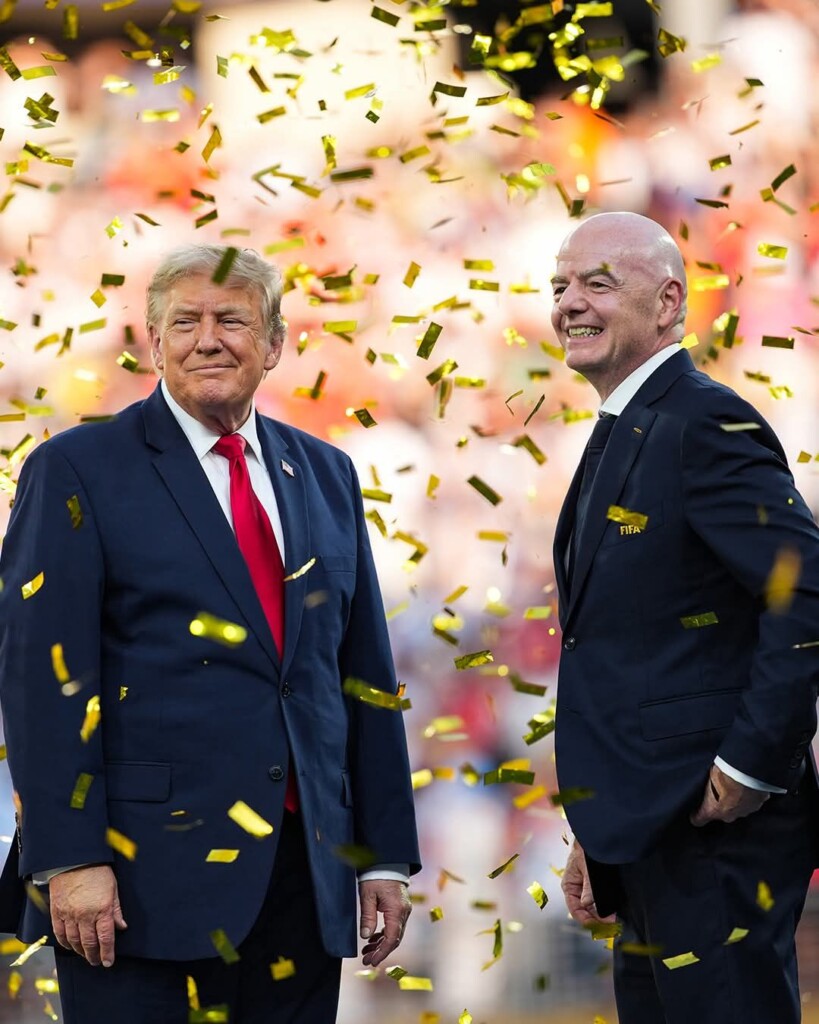
FIFA tried to project unity. “There are always lessons to be learned, and FIFA will continue to improve its processes in light of this experience,” the statement said. Whether that calms critics remains uncertain.
Pressure is still building from outside. The association of European soccer leagues spoke out earlier Wednesday. It includes the Premier League, La Liga, and Serie A. They called the FFE idea “dangerous” and demanded governance reform.
“FIFA governance reform” is now their central demand. They said the episode raises “serious questions about FIFA’s governance, internal culture and decision-making.” They want stakeholders to have a formal role in major decisions.
European Leagues also attacked the idea of expanding the World Cup to 64 teams. They said “FIFA must not be allowed to continue taking unilaterally disruptive decisions.” Until reform happens, they will reject any new FIFA competitions.
Portugal great Luis Figo joined the criticism. He said Infantino had “debased the office.” His comments added weight to calls for the president to step down before the next election cycle begins.
FIFA denied a media report about the 2030 World Cup final. A British outlet claimed Infantino offered Morocco the final to secure support. Spain, Portugal and Morocco are co-hosts. Morocco wants the final at King Hassan II Stadium.
A FIFA spokesperson called the claim “false and misleading.” The spokesperson said no promise was made. A decision on the 2030 final will be made “in due course” by FIFA through normal channels.
Political leaders also weighed in. Canadian Prime Minister Mark Carney said he no longer has confidence in Infantino. He called it a “fatal” governance failure to ignore senior advisers. Carney had appeared with Infantino during 2026 World Cup events.
“FIFA crisis meeting Morocco” was meant to reset the narrative. Instead it highlighted deep divisions. UEFA applied the most pressure by threatening a World Cup boycott if FFE moved forward. Even after the climbdown, UEFA said it lost confidence.
CONCACAF also criticized leadership. It said FIFA had “stopped putting football first.” That rebuke from North and Central America is significant ahead of the 2026 tournament co-hosted by the US, Mexico and Canada.
Inside FIFA, dissent was visible. Arsène Wenger, chief of global football development, distanced himself from FFE. Carlos Cordeiro, Infantino’s senior adviser, resigned last week. COO Kevin Lamour said staff were “deceived” by lack of openness.
The timing makes this worse for Infantino. He is seeking a fourth and final term. Elections are set for March. A contested race now looks possible after weeks of turmoil and public apologies.
Supporters argue Infantino stabilized FIFA finances after past scandals. They credit him for expanding the World Cup and growing revenues. Critics say those gains came with centralized control and poor consultation.
The Rabat meeting produced no structural changes. It produced apologies and pledges. Whether that satisfies member associations is unclear. Many want written guarantees, not just statements after damage is done.
“Infantino support FIFA 2026” will be tested at the World Cup. The tournament is months away and hosted across three countries. Organizers need political goodwill. Losing leaders like Carney could complicate ceremonies and diplomacy.
FIFA said lessons were learned. It promised better process. But European leagues want more than promises. They want voting rights and oversight written into statutes. Without that, they warn of further boycotts.
The FFE idea aimed to unlock new money. FIFA argued it could fund development. Opponents saw it as selling the crown jewels. The backlash forced a quick retreat and public embarrassment for the president.
Read also:Arsenal transfer news: Guimaraes deal nears as Vinicius Jr price set at £128m
Infantino has survived crises before. He took office after the 2015 corruption scandal. He rebuilt commercial deals and expanded tournaments. This time the challenge is internal trust, not just external investigations.
Whether the board’s support holds will depend on March. If a challenger emerges with UEFA and CONCACAF backing, the election could be close. Infantino will need votes from Africa, Asia and smaller federations.
For now FIFA presents a united front. Grafström stands with Infantino. The board stands with both. The FFE plan is dead. But the questions about transparency and power are very much alive.
Football stakeholders want answers. They want a say in World Cup formats, commercial deals, and calendar changes. The Rabat apology may not be enough to prevent a broader governance fight.
As the sport prepares for 2026, FIFA must rebuild credibility. Infantino has the board’s backing today. Whether he keeps the presidency tomorrow depends on whether members believe reform will follow the apology.
About The Author