In a major move to improve the pace of matches worldwide, FIFA has announced plans to implement FIFA anti-time wasting measures across all major competitions.
The new regulations aim to curb deliberate delays by players and ensure that fans experience faster, more continuous football action. FIFA officials have emphasized that these measures are part of a broader initiative to modernize the game and enhance its entertainment value.
“Time is the essence of football, and we want every second on the pitch to count,” FIFA President Gianni Infantino said. “Our FIFA anti-time wasting measures will ensure that matches are fair, competitive, and exciting from start to finish.”
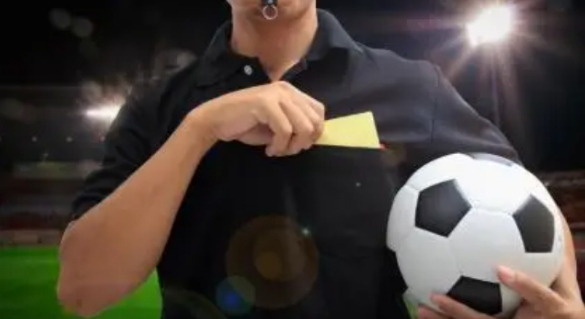
The new rules will focus on reducing delays caused by excessive substitutions, prolonged goal celebrations, and tactical time-wasting by teams defending a lead. Referees will have clear guidelines on issuing warnings, yellow cards, or other sanctions when players deliberately slow down the game.
Key Areas of Focus
The FIFA anti-time wasting measures will target several critical aspects of match management:
Substitution Delays – Players must leave the field promptly during substitutions. Delays exceeding a specified limit could result in a warning or yellow card.
Goal Celebrations – Excessive or staged celebrations will be monitored. FIFA wants celebrations to remain a moment of joy without interrupting the flow of the game.
Time Wasting by Defending Teams – Teams that intentionally hold onto the ball or feign injuries to disrupt play may face stricter enforcement from referees.
Referee Empowerment – Officials will receive updated guidance to make quicker decisions and apply the new regulations consistently.
According to FIFA, these measures are designed not to penalize players unnecessarily but to maintain the integrity and excitement of the sport. The governing body has consulted with players, coaches, and referees in drafting the new rules.
Global Impact on Competitions
The introduction of FIFA anti-time wasting measures will affect every level of competition, from domestic leagues to the World Cup. Analysts predict that the changes could lead to higher-scoring games and a faster tempo that appeals to modern audiences.
European leagues, including the Premier League and La Liga, have already trialed similar initiatives with mixed results. “We’ve seen how small adjustments, like strict enforcement of substitution timing, can increase match intensity,” said UEFA referee manager Pierluigi Collina. “FIFA taking this global approach will standardize enforcement everywhere.”
Additionally, FIFA plans to integrate technology to assist referees in monitoring delays. Video assistant referees (VAR) may be used to track time-wasting incidents more accurately, ensuring fair application of the rules.
Player and Coach Reactions
Responses from players and managers have been mostly positive, though some have expressed caution.
“I understand why FIFA wants to implement these anti-time wasting measures,” said Bayern Munich midfielder Joshua Kimmich. “Football should be fast and entertaining, but it’s important that referees apply these rules fairly, without over-penalizing players.”
Manchester United manager Michael Carrick added, “Tactical pauses are part of football strategy, but there is a limit. Clear guidelines from FIFA will help referees make consistent calls and reduce disputes.”
Some players, however, worry about the stricter enforcement of goal celebrations. “Celebrations are part of the game’s culture,” said PSG forward Kylian Mbappé. “I hope FIFA balances keeping matches fast with respecting the joy of scoring.”
Statistical Context
Time-wasting has become a measurable problem in football. A FIFA study found that top-flight matches often lose an average of 5–7 minutes per 90-minute game due to deliberate delays. Analysts argue that reducing these interruptions could increase average ball-in-play time by 10–15%, making matches more dynamic and engaging for fans.
The FIFA anti-time wasting measures could also influence betting markets, fantasy football strategies, and broadcast scheduling. Shorter delays would make match durations more predictable and enhance fan experience both in stadiums and for viewers at home.
Implementation Timeline
FIFA intends to introduce these measures gradually, starting with trials in friendly matches and youth competitions this year. Full implementation across professional leagues and international tournaments is expected by the start of the 2027 season.
“We want everyone in the football community to understand these measures before they are fully enforced,” said FIFA’s Director of Refereeing, Massimo Busacca. “Education, communication, and gradual adoption are key to success.”
Referees will undergo specific training sessions on how to identify and manage time-wasting situations effectively. FIFA has also promised transparency in reporting disciplinary actions under the new rules.
Fan Reactions
Fans have largely welcomed the move. Social media platforms are abuzz with discussions about FIFA anti-time wasting measures, with many expressing excitement about faster-paced football.
“This is what football fans have been waiting for,” wrote one fan on Twitter. “No more watching the clock while teams waste time. Let’s see some real action!”
Others have highlighted potential challenges.
Some supporters fear that referees might overuse yellow cards, creating tension and disrupting the match atmosphere. FIFA has responded by emphasizing that sanctions will be proportionate and focused on repeat offenders.
Future Considerations
The introduction of FIFA anti-time wasting measures is also expected to spur tactical innovation. Coaches may need to rethink strategies that relied on slowing down the game and find alternative ways to manage leads.
Analysts predict a rise in high-intensity pressing and quick transitions as teams adapt to the new rules.
Youth development programs will also incorporate education on respecting match flow. Young players will learn the importance of fair play and maintaining the pace of the game from the start of their careers.
About The Author