JUST IN: Fire guts Lagos airport old terminal, no one hurt, says FAAN
A fire outbreak on Monday disrupted activities at the old terminal of Murtala Muhammed International Airport in Lagos, triggering an emergency response from aviation authorities and prompting renewed scrutiny of infrastructure resilience at Nigeria’s busiest gateway.
The incident, which occurred at a section of the terminal currently undergoing renovation, was confirmed by the Federal Airports Authority of Nigeria (FAAN). Officials said no casualties were recorded and that emergency teams swiftly contained the blaze.
Emergency response activated
Henry Agbebire, FAAN’s Director of Public Affairs and Consumer Protection, confirmed that the authority’s firefighting unit responded immediately after the alarm was raised.
According to him, emergency personnel were deployed to the affected wing of the terminal to prevent the fire from spreading to adjoining facilities.
“We are aware of the outbreak and our teams are fully on ground. Our firefighting unit moved in quickly to curtail the situation,” he said.
Airport sources indicated that the fire was detected within the old terminal complex, which has been undergoing phased renovation as part of broader efforts to modernise infrastructure and improve passenger experience.
Although the exact cause of the fire had not been disclosed at press time, preliminary indications suggest it may have originated within a restricted construction area.
Authorities have yet to confirm whether electrical faults, equipment malfunction, or construction materials contributed to the outbreak.
Renovation project under spotlight
The old terminal at Murtala Muhammed International Airport has been the focus of significant upgrade works aimed at enhancing safety systems, structural integrity, and passenger flow efficiency.
Industry analysts note that large-scale renovation projects often involve temporary electrical installations, welding operations, and combustible materials, increasing the need for heightened safety oversight.
The airport, which handles millions of passengers annually, serves as Nigeria’s primary international aviation hub. Any disruption within its infrastructure carries operational and economic implications.
While Monday’s incident did not result in flight suspensions at the international wing, some airport users reported temporary access restrictions around the renovation zone as emergency teams secured the perimeter.
Passenger safety assurance
FAAN officials reiterated that there was no loss of life or reported injury.
The authority also advised passengers and airport workers to remain calm, emphasising that the situation had been stabilised and posed no ongoing threat to flight operations.
Aviation safety experts say rapid response capacity remains critical in preventing escalation within airport environments, where fuel systems, electrical networks, and passenger concentrations elevate risk profiles.
Operational continuity maintained
Airport management confirmed that flight schedules at other terminals continued without interruption. Airline operators were not required to divert or cancel services as a result of the incident.
Security personnel restricted access to the affected section to allow firefighters and technical inspectors assess structural damage and verify air quality safety within the immediate vicinity.
Industry observers say containment without casualties underscores improvements in emergency preparedness at major Nigerian airports over recent years.
The fire outbreak comes amid ongoing national conversations around infrastructure resilience and maintenance culture within public facilities.
Aviation stakeholders have consistently called for sustained investment in fire suppression systems, electrical upgrades, and routine safety audits across terminals.
Experts caution that while renovation projects are necessary to modernise ageing facilities, strict adherence to safety protocols during construction phases is essential to mitigate avoidable risks.
Investigation underway
FAAN has indicated that a detailed technical assessment will be conducted to determine the root cause of the fire. Findings from the investigation are expected to inform additional safety measures, if required.
Airport authorities are also likely to review contractor compliance with safety guidelines as part of post-incident evaluation procedures.
For now, officials maintain that the situation remains under control, with structural engineers assessing the affected section to determine the extent of damage and timelines for restoration.
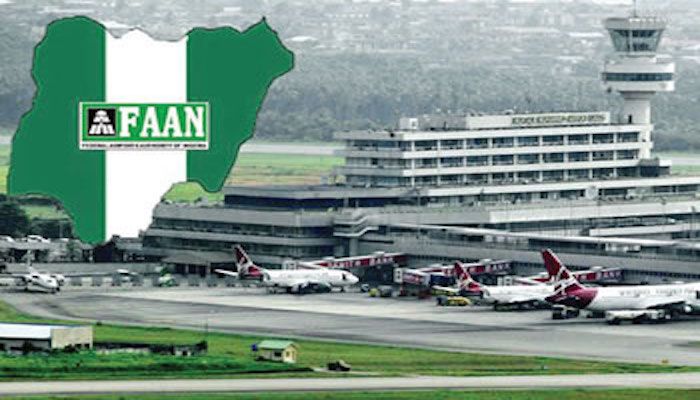
Strategic significance of MMIA
Murtala Muhammed International Airport plays a pivotal role in Nigeria’s aviation ecosystem, accounting for a substantial share of international passenger traffic and cargo throughput.
Any operational instability at the airport has ripple effects across airlines, logistics operators, and tourism stakeholders.
As Nigeria seeks to position itself as a regional aviation hub, infrastructure reliability and safety assurance remain central to investor confidence and international credibility.
Further updates are expected following FAAN’s comprehensive incident report. Aviation regulators may also review safety documentation related to ongoing construction within airport premises.
For now, Fire guts Lagos airport old terminal, no one hurt, says FAAN — a development that highlights both the vulnerabilities and the responsiveness within Nigeria’s aviation infrastructure management framework.
Authorities have pledged transparency in subsequent disclosures as investigations progress.
About The Author