


Elon Musk Mars Colonization Trial Reveals $80 Billion Ambition and OpenAI Power Struggle
The ongoing legal battle involving Elon Musk and OpenAI has revealed new details about early discussions surrounding artificial intelligence development and long-term space exploration ambitions.
Testimony from OpenAI president Greg Brockman has added significant context to the case, describing internal discussions in which Musk allegedly linked control of OpenAI to broader plans involving large-scale funding and future colonization of Mars.
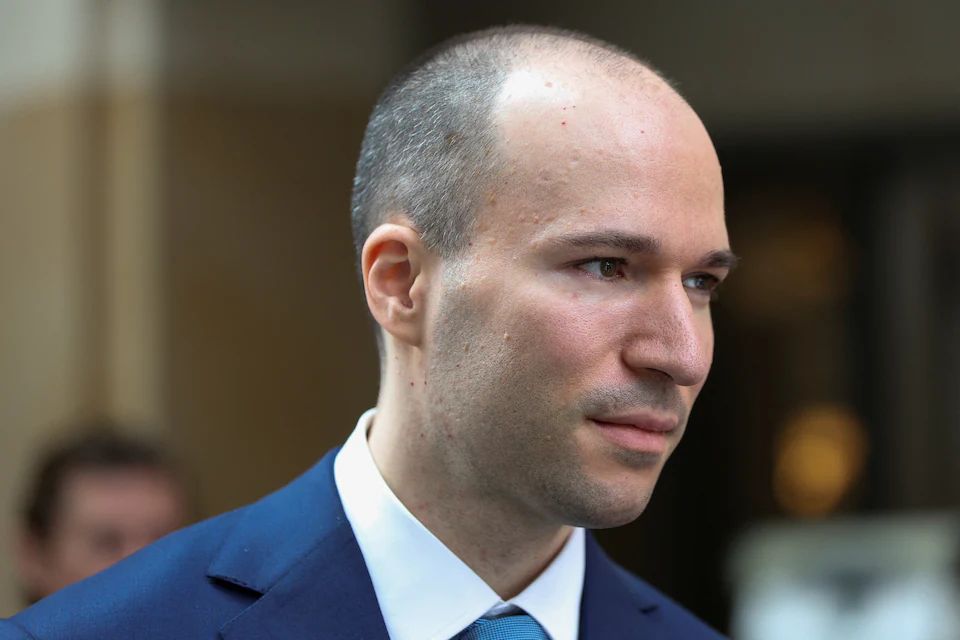
The case focuses on Musk’s claim that OpenAI and CEO Sam Altman shifted away from their original nonprofit mission after restructuring into a for-profit model to attract major investment.
Mars Colonization and Control Discussions
During court testimony, Brockman stated that Musk believed substantial financial resources would be required to advance artificial intelligence systems and support long-term technological goals.
He testified that Musk suggested he would need “$80 billion to create a city on Mars” and sought greater control over OpenAI as part of that vision.
Brockman also said Musk expressed a preference for full decision-making authority, arguing that leadership control was necessary to achieve large-scale technological objectives.
The testimony ties these claims to Musk’s long-standing interest in space exploration through SpaceX, which has repeatedly identified Mars colonization as a long-term objective.
OpenAI Dispute Over Mission and Structure
The trial examines whether OpenAI deviated from its original nonprofit mission when it restructured to accept outside investment.
Read also: Pope Leo XIV First Year: Trump Feud, Vatican Power Shift, and Expected JD Vance Meeting
Musk, who left OpenAI’s board in 2018, is seeking $150 billion in damages and alleges the organization abandoned its founding principles for commercial gain.
OpenAI maintains that restructuring was necessary to secure funding for advanced AI research and large-scale computing infrastructure.
The dispute has become one of the most closely watched legal cases in the technology sector due to its implications for artificial intelligence governance and corporate control.
Leadership Tensions and Competing AI Ecosystems
Testimony also highlighted internal disagreements over governance and leadership structure during OpenAI’s early development phase.
Brockman described escalating tensions over equity distribution and control, which eventually contributed to Musk’s departure from the organization.
Since then, competition in the artificial intelligence sector has intensified, particularly following Musk’s creation of xAI, which has entered direct rivalry with OpenAI in the development of advanced AI systems.
SpaceX Expansion and IPO Expectations
The case also intersects with Musk’s broader business empire, including SpaceX, which continues to expand its long-term space exploration and satellite infrastructure projects.
Reports suggest SpaceX is considering a public listing, with potential valuations positioning it among the largest IPOs in history.
Internal documents referenced in related filings indicate long-term goals tied to large-scale space settlement concepts, including eventual human presence on Mars.
These developments reflect the interconnected nature of Musk’s ventures across artificial intelligence, aerospace, and advanced infrastructure systems.
A Defining Tech Power Dispute
The Elon Musk Mars colonization trial highlights a broader conflict over the future direction of artificial intelligence development and technological governance.
At its core, the case reflects competing visions between nonprofit origins, private control, and large-scale commercial ambition in shaping advanced technologies.
The outcome may have lasting implications for how major AI organizations are structured and how closely they are tied to broader industrial and space exploration goals.
About The Author
