

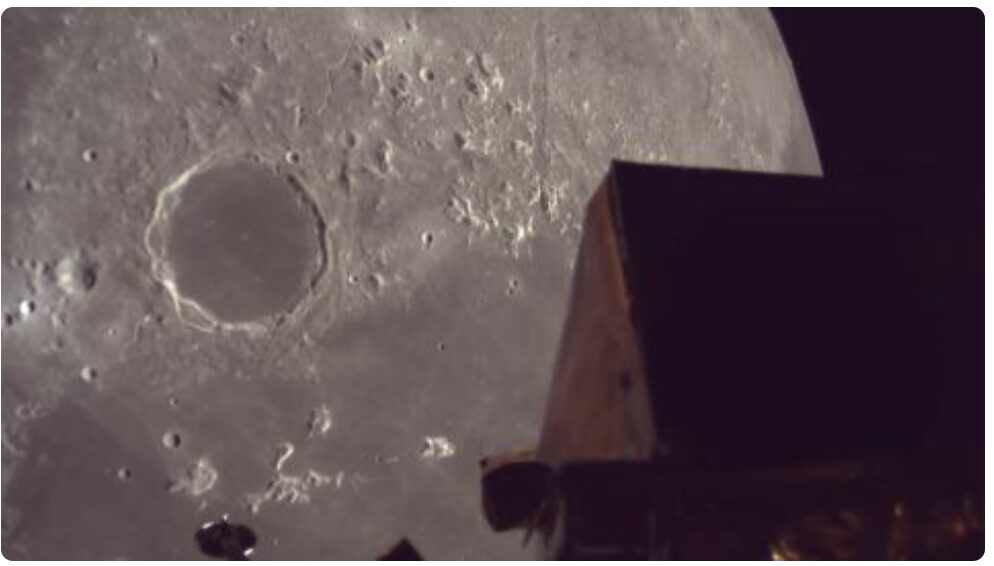
Ispace, a Japanese company, has confirmed that its Resilience spacecraft likely crashed on the moon’s surface during a landing attempt on June 5, 2025. The incident marks the cotmpany’s second failed lunar landing attempt.
According to Ispace, the lander experienced issues with its laser rangefinder, which measures distance to the lunar surface, causing delays in obtaining valid measurement values. This resulted in the lander being unable to decelerate sufficiently, leading to a hard landing on the lunar surface.
“We have to really take it seriously,” said Ispace CEO Takeshi Hakamada in translated remarks, acknowledging the company’s second failure. Despite the setback, Ispace remains committed to its lunar exploration ambitions. The company is working on a new lander called Apex 1.0, slated to travel to the far side of the moon in 2027.
Hakamada compared Ispace’s situation to SpaceX’s early days, noting that SpaceX also experienced several failures before becoming a leading launch provider. “SpaceX has also failed several times, but now SpaceX occupies the launching market,” Hakamada said.
The Resilience spacecraft took a slow, swooping path to the moon, requiring little fuel but taking over four months to reach its destination. Ispace CFO Jumpei Nozaki emphasized the value of this gradual approach, saying, “Every day, there are small things that happen… something we didn’t expect… This (journey to the moon) is really a learning phase.”
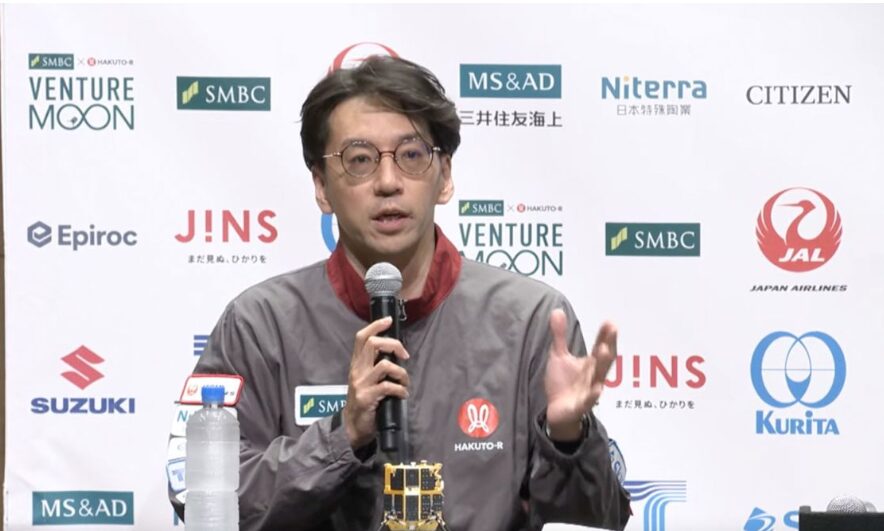
Ispace’s mission motto, “never quit the lunar quest,” reflects the company’s determination to succeed in lunar exploration. Despite the failure, Ispace executives are optimistic about future missions, with Ron Garan, a former NASA astronaut and chairman of Ispace’s US subsidiary, stating, “The reason why we’re doing this is to learn.”.
The Hakuto-R Mission 1 crash highlights challenges of lunar landings, with ispace aiming to rectify and improve for future attempts at commercial lunar exploration and landings.
About The Author
