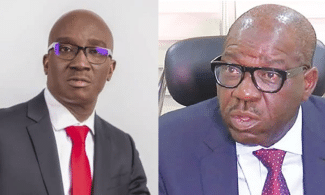
Colombia recalls ambassador to the United States after President Trump publicly labeled Gustavo Petro, an “illegal drug leader,” sparking a diplomatic clash that threatens national sovereignty.
Ambassador Daniel Garcia-Pena returned to Bogota to formally protest Trump’s remarks. The Colombian government condemned the threats to cut aid, rejecting coercion from Washington’s aggressive diplomacy.
Tensions escalated over US Caribbean strikes targeting suspected drug shipments. Petro condemned these attacks as illegal, highlighting civilian casualties and violations of international and Colombian maritime law.
The Trump administration claimed one vessel was operated by left-wing rebels trafficking drugs from Venezuela, yet Colombia demanded proof, accusing the US of reckless extraterritorial operations without evidence.
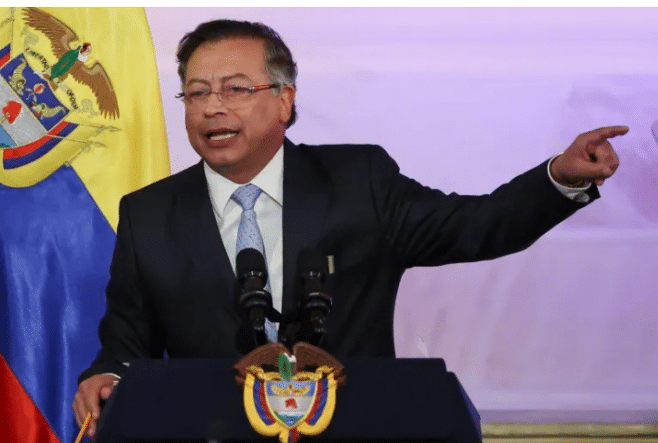
Colombian Interior Minister Armando Benedetti warned that Trump’s statements resembled threats of military action or invasion, emphasizing Colombia’s readiness to defend its sovereignty and national security decisively.
Petro’s social media posts highlighted victims of US strikes, including Alejandro Carranza, an innocent fisherman. He accused Washington of murder, demanding accountability for illegal operations in Colombian waters.
Colombia recalls Ambassador Garcia-Pena to demonstrate Colombia’s strategic independence, signaling regional neighbors that the nation will resist external coercion and protect its political authority aggressively.
Financial aid threats from Washington fueled tensions further. Colombia insists its anti-drug policies cannot be dictated by foreign powers seeking leverage, framing Trump’s actions as imperialistic overreach.
Petro’s administration criticized US military intervention in the Caribbean, asserting that attacks on vessels violated human rights, international law, and Colombia’s sovereignty, threatening to destabilize the region’s fragile security.
Colombia’s foreign ministry condemned Washington’s statements as unacceptable aggression, emphasizing diplomacy must respect sovereign equality, warning the US against repeating coercive tactics or undermining Colombian democracy and rule of law.
Trump’s inflammatory rhetoric has hardened Colombia’s resolve, mobilizing domestic support behind Petro. Citizens and political leaders perceive US actions as bullying, strengthening anti-interventionist sentiments throughout the nation.
The Caribbean strikes also strained Colombia-Venezuela relations. Petro’s accusations against US interference highlighted the fragile regional dynamics, where Washington’s unilateral operations risk exacerbating political instability and cross-border tensions.
Colombia now faces the challenge of balancing international pressure with domestic expectations. The Petro administration aims to assert authority, safeguard sovereignty, and demand accountability from the United States forcefully.
Analysts warn that escalating rhetoric could provoke further incidents, potentially triggering clashes in territorial waters. Colombia seeks to avoid war but will counter threats decisively, protecting national dignity.
Diplomatic recall sends a bold message: Colombia will not tolerate public humiliation from foreign leaders, defending its governance, citizens, and sovereignty against coercive, aggressive US foreign policy moves.
Colombia recalls ambassador as Petro’s firm stance underscores the nation’s regional leadership, demonstrating that Latin American countries can resist Washington’s threats, assert independence, and pursue policies reflecting domestic priorities and international law.
Caribbean security operations by the US have already killed civilians. Colombia’s government calls for transparency, accountability, and respect for human rights to prevent further violations of national sovereignty.
Trump’s threats to cut aid highlight dependency risks, yet Petro frames them as intimidation. Colombia’s focus remains on self-determined policies, ensuring its anti-drug strategy aligns with national interests and justice.
Colombia’s growing defiance marks a turning point in US-Latin American relations, signaling resistance to coercive diplomacy and challenging Washington’s influence in the hemisphere with uncompromising, hardline stances.
The ambassador’s recall also rallies domestic and international attention, reinforcing Colombia’s image as a sovereign nation unwilling to submit to external threats or foreign political pressure.
Petro’s administration calls on global institutions to condemn US aggression, emphasizing international law, human rights, and respect for national sovereignty, seeking legitimacy and support in countering unilateral military interventions.
Colombia vows to pursue dialogue, but only from a position of strength. Washington’s provocations have hardened policy, ensuring future negotiations occur on Colombian terms, not dictated by threats.
The Petro-Trump conflict, which necessitated Colombia recalls ambassador, illustrates broader geopolitical tensions in Latin America, where US actions are scrutinized, and regional leaders increasingly assert independence against coercive, militarized foreign diplomacy.
Colombia’s strategic defiance may influence neighboring nations, encouraging collective resistance against external pressure, shaping a more balanced regional power structure, and limiting unilateral US interference.
Petro’s hardline approach combines national pride, international law, and regional diplomacy, emphasizing Colombia’s determination to defend its citizens, sovereignty, and political legitimacy against foreign threats.
As Colombia recalls its ambassador, the message is unequivocal: Washington cannot insult, coerce, or manipulate Bogotá without facing diplomatic backlash and assertive responses from Colombia’s government.
The escalation is a defining moment in Colombia-US relations, highlighting tensions between sovereignty and intervention, signaling the potential for a new chapter in Latin American diplomacy.
Colombia’s foreign ministry is drafting further measures, including restricting US military access to Colombian ports and airspace, signaling that diplomatic offenses will have practical consequences beyond rhetoric.
Experts warn Trump’s aggressive policies risk isolating the United States diplomatically in Latin America, as Petro’s firm response could inspire other regional leaders to challenge coercive US actions.
Petro’s government is also engaging international organizations to investigate US operations, demanding transparency and accountability, while asserting Colombia’s sovereignty remains non-negotiable in both diplomatic and operational contexts.
Colombia recalls ambassador amid growing regional concern over militarized interventions. Neighboring countries are closely watching Petro’s hardline strategy, which reinforces his commitment to national dignity and self-determined policy.
Public opinion in Colombia overwhelmingly supports the recall, framing it as a necessary act to defend national honor, sovereignty, and democratic principles, challenging the US to respect Colombia’s domestic authority.
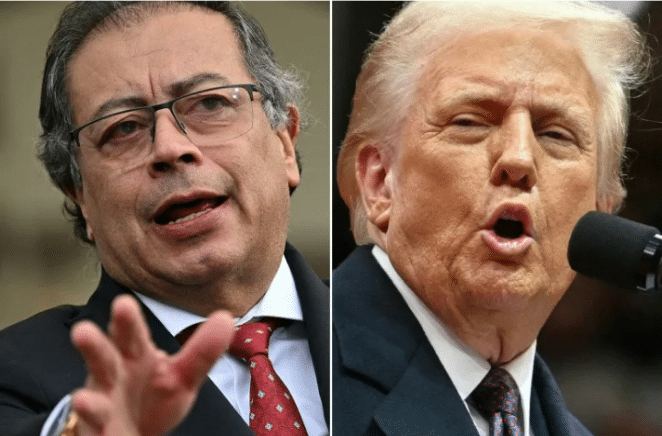
Colombia recalls ambassador escalates diplomatic tensions but strengthens Petro’s domestic position. Colombia is demonstrating it will not bow to external threats or public insults, insisting on respect and parity in international relations.
Colombia recalls ambassador in response to Washington’s threats, signaling that diplomatic aggression will face decisive resistance and affirming the nation’s commitment to sovereignty and lawful governance.
About The Author