Nigeria’s foreign exchange market reforms are beginning to show measurable outcomes, with the gap between the official and parallel exchange rates narrowing significantly in recent years.
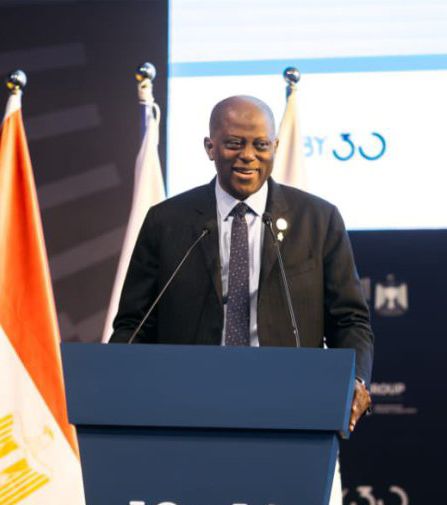
The Governor of the Central Bank of Nigeria, Olayemi Cardoso, said the premium between the official exchange rate and the parallel market has declined sharply over the past three years, reflecting the impact of monetary policy reforms aimed at restoring confidence in the country’s financial system.
According to the apex bank chief, the improvement signals progress in stabilising the naira and enhancing transparency in the foreign exchange market after years of distortions that created arbitrage opportunities and discouraged investors.
Parallel market premium shrinks in Nigeria’s forex market
The parallel market premium shrinks in Nigeria’s forex market as policy interventions implemented by the central bank begin to reshape the structure of the foreign exchange system.
Cardoso disclosed that the difference between the official exchange rate and the parallel market rate has dropped from nearly 50 per cent in 2022 to less than two per cent in 2025.
This narrowing gap reflects a major shift in Nigeria’s currency management framework, which previously operated multiple exchange rates for different categories of transactions.
The central bank governor explained that the move to unify exchange rates and promote market-driven pricing has helped eliminate distortions that previously benefited a small group of privileged market participants.
According to him, reforms implemented by the central bank were specifically designed to dismantle opaque currency allocation mechanisms and strengthen transparency across the foreign exchange market.
Naira shows signs of stability
Recent trading data suggests that the parallel market premium shrinks in Nigeria’s forex market alongside modest gains in the value of the naira.
Last week, the Nigerian currency appreciated slightly in the official market, trading around ₦1,366.23 to the US dollar.
In contrast, the parallel market exchange rate remained relatively stable at approximately ₦1,410 per dollar during the same period.
Although the difference between the two markets still exists, analysts say the significantly reduced spread signals improved price discovery in Nigeria’s foreign exchange market.
Cardoso noted that improved liquidity has also contributed to the gradual stabilisation of the currency.
According to him, the central bank has addressed longstanding challenges that previously created shortages of foreign exchange in the official market.
Clearing backlog of foreign exchange demand
One of the major steps taken by the monetary authorities was addressing the backlog of unmet foreign exchange obligations accumulated over several years.
The backlog, which involved foreign exchange requests by airlines, manufacturers and other investors, had undermined confidence in Nigeria’s financial markets.
Cardoso said the central bank has now cleared most of the outstanding obligations, enabling businesses and investors to access foreign exchange through formal market channels.
This development, he explained, is a key reason why the parallel market premium shrinks in Nigeria’s forex market, as more participants now rely on official platforms instead of the informal market.
He added that the new structure allows the market to function more efficiently with reduced dependence on extraordinary interventions by the central bank.
Investor confidence and capital inflows rise
The apex bank also reported a notable increase in foreign capital inflows since the introduction of the new policy framework.
According to Cardoso, capital and investment flows into Nigeria have risen by nearly 200 per cent between 2023 and 2025.
Financial analysts say this trend reflects renewed investor interest in Nigeria’s financial markets following improvements in policy clarity and exchange rate transparency.
The strengthening of Nigeria’s external reserves also indicates progress in stabilising the country’s macroeconomic environment.
The central bank governor disclosed that the nation’s foreign reserves have recently exceeded 50 billion dollars, suggesting improvements in the country’s balance of payments position.
Reforms aim to strengthen financial system
Cardoso emphasised that the central bank’s broader reform strategy is focused on strengthening the foundations of Nigeria’s financial system.
He explained that the goal is not only to stabilise the currency but also to ensure that financial markets operate transparently and efficiently.
The parallel market premium shrinks in Nigeria’s forex market partly because of policy measures aimed at rebuilding trust among domestic and international investors.
According to the CBN governor, restoring credibility in financial institutions remains essential for long-term economic stability.
He noted that stronger financial markets will ultimately support economic growth by improving access to capital and encouraging investment.
Nigeria faces global economic uncertainties
Despite the improvements recorded in the foreign exchange market, global economic conditions remain uncertain.
The international economy continues to experience volatility due to geopolitical tensions, including conflicts in the Middle East and fluctuations in global energy prices.
Cardoso said Nigeria’s recent macroeconomic reforms have strengthened the country’s ability to withstand such shocks.
He explained that policy buffers created through monetary and fiscal reforms provide some protection against external disruptions.
Analysts also say Nigeria’s improved foreign reserves position offers a cushion against sudden changes in global financial conditions.
Outlook for Nigeria’s foreign exchange market
Economic experts believe the ongoing reforms represent a significant turning point for Nigeria’s currency management strategy.
However, they caution that maintaining exchange rate stability will require consistent policy implementation and continued improvements in foreign exchange supply.
Structural factors such as export diversification, increased oil production and stronger non-oil earnings will also play a crucial role in sustaining the gains recorded so far.
If the reforms are sustained, analysts say Nigeria could gradually move toward a more stable and transparent foreign exchange market capable of supporting long-term economic growth.
For now, the narrowing gap between the official and parallel market rates suggests that efforts by the monetary authorities to restore credibility to the country’s currency market are beginning to yield tangible results.
About The Author