Refugees Say Canada Handed Them Over To ICE
The “Canada ICE detention controversy” is drawing international attention after multiple refugees claimed Canadian border officials rejected their asylum requests before turning them over to US Immigration and Customs Enforcement (ICE), where they allegedly spent months inside detention centres.
Several asylum seekers who hoped to reunite with family members in Canada described traumatic experiences after being denied entry at the border and transferred into US custody under the Safe Third Country Agreement between Canada and the United States.
Immigration lawyers representing the refugees argue Canada’s asylum system has become significantly stricter since Donald Trump returned to office, creating devastating consequences for vulnerable migrants fleeing violence, political persecution and instability.
One of those refugees is 25-year-old Haitian asylum seeker Markens Appolon, who fled gang violence in Haiti before eventually attempting to seek refuge in Canada.
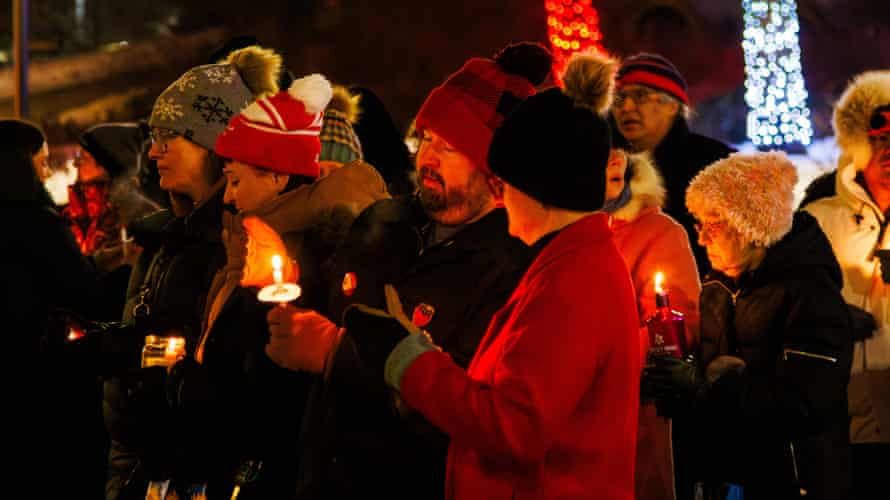
Instead of being reunited with relatives in Montreal, Appolon says he ended up incarcerated inside an ICE detention facility for more than four months.
“Every day that passes, my mental health is just getting worse,” Appolon said.
“You see the world going on and you’re just stuck here, watching.”
“Canada is handing people over to ICE”
Immigration lawyers accuse Canada of complicity
Lawyers involved in the “Canada ICE detention controversy” say Canada is no longer acting like the refugee-friendly nation it publicly claims to be.
Toronto immigration lawyer Erin Simpson, who represents Appolon, criticised Canadian authorities for allegedly handing asylum seekers directly to ICE agents after rejecting their claims.
“This is what is so shocking about this case and others like it,” Simpson said.
“Canada is participating in this. Canada is handing people over to ICE.”
According to Simpson, refugees attempting to claim asylum through family exemptions under the Safe Third Country Agreement are increasingly facing rigid interpretations from border officials.
Under the agreement, refugees must seek asylum in the first “safe country” they enter, meaning many people arriving from the US are barred from making refugee claims in Canada unless they qualify for exceptions such as close family ties.
However, legal experts increasingly argue the United States should no longer qualify as a “safe third country” due to long-term immigration detention, deportation concerns and increasingly aggressive enforcement policies.
Critics also accuse Canada of quietly tightening its immigration rules while maintaining an international reputation for compassion and refugee protection.
Haitian Refugee Says Canadian Border Officials Rejected Him
Markens Appolon details months inside ICE detention
Appolon fled Haiti in 2023 as gang violence devastated the Caribbean nation, destroying economic stability and forcing many residents to flee.
After relocating temporarily to Florida through a humanitarian visa programme introduced during Joe Biden’s presidency, Appolon became concerned following Donald Trump’s return to office and threats to terminate immigration protections.
He then attempted to claim asylum in Canada through a family exemption because his aunt is a Canadian citizen.
Appolon arrived at the Quebec-Vermont border on 28 December hoping to reunite with family in Montreal.
But Canadian officials reportedly rejected his claim because his aunt was temporarily outside Canada dealing with a family emergency.
Despite legal provisions that do not explicitly require family members to be physically present inside Canada during asylum processing, Appolon was turned over to ICE agents.
He has remained detained for months.
Simpson argued Canadian authorities should have exercised discretion and allowed additional time for Appolon’s aunt to return.
“The consequences for him couldn’t be more serious,” she said.
The case has become one of the most widely discussed examples within the growing “Canada ICE detention controversy.”
Tibetan Refugee Describes Harrowing ICE Experience
“I thought Canadians are better than the US”
Another refugee caught in the “Canada ICE detention controversy” is Tenzin, a Tibetan asylum seeker who attempted to enter Canada through the US border in August.
Tenzin said he believed Canada represented safety and compassion compared to increasingly hostile immigration policies in the United States.
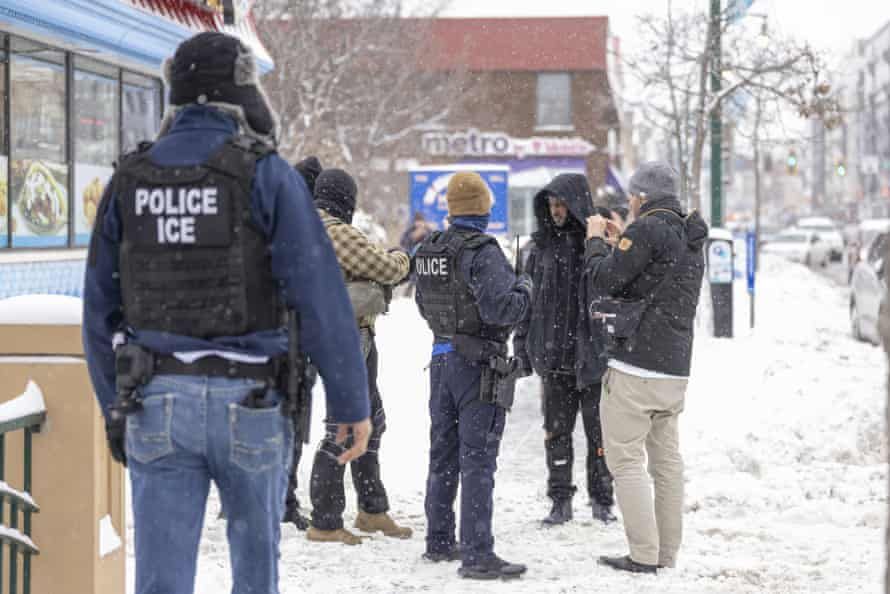
“I thought Canadians are better than the US,” he said.
“But when I was treated like that, I thought there are some bad people in Canada.”
After Canadian officials rejected his claim, Tenzin was transferred to ICE’s Buffalo detention facility.
While detained, he reportedly developed Bell’s palsy, a condition causing partial facial paralysis.
Tenzin claimed he repeatedly begged ICE officers for medical attention before eventually being transported to hospital during a snowstorm while handcuffed.
“The agents told him they had run out of coats,” his lawyer explained.
Because Tenzin fears public exposure could damage future employment opportunities, media organisations used only his first name.
His lawyer, Ottawa immigration attorney Heather Neufeld, argued Canadian officials failed to properly evaluate his refugee circumstances.
Neufeld eventually succeeded in challenging the handling of his case, leading to Tenzin’s release and entry into Canada months later.
Canada Tightens Asylum Policies Amid Political Pressure
Critics accuse government of “Trump-style” immigration measures
The “Canada ICE detention controversy” comes amid growing debate over Canada’s evolving immigration system under Prime Minister Mark Carney’s government.
Recent legislation passed in March introduced stricter eligibility requirements for refugee claimants, sparking criticism from immigration advocates and human rights groups.
Critics argue Canada is increasingly adopting immigration approaches similar to policies promoted by Donald Trump in the United States.
Despite maintaining a global image as one of the world’s most welcoming countries for refugees, immigration lawyers say the reality at Canadian border crossings has changed dramatically.
Many lawyers report a noticeable increase in rejected asylum claims and tougher enforcement procedures since Trump returned to power.
Canada’s tighter border controls also appear linked to concerns that instability in US immigration policy could trigger a rise in refugee claims entering from America.
Legal experts say Canadian officials fear a potential surge of migrants losing humanitarian protections under changing US policies.
Experts Question Whether The US Is Still A “Safe Third Country”
Lawyers say deportation risks undermine refugee protections
A major issue driving the “Canada ICE detention controversy” is growing criticism of the Safe Third Country Agreement itself.
Under Canadian law, the United States must meet human rights standards to qualify as a safe country for refugee processing.
But immigration lawyers increasingly argue prolonged detention and deportation risks inside the US immigration system violate those principles.
Audrey Macklin, a refugee law professor at the University of Toronto, said Canada’s refugee image no longer matches reality.
“Canada constantly intones how generous it is to refugees,” she said.
“But clearly, there’s no political will there.”
Lawyers also warn that mistaken decisions at the border now carry life-changing consequences because rejected refugees can immediately enter ICE custody.
Some asylum seekers reportedly remain incarcerated for months while attempting to challenge border rulings.
Refugees Describe Feeling Betrayed By Canada
“They did not give me any rights”
Indian asylum seeker Gurbir Singh also became part of the “Canada ICE detention controversy” after Canadian officials allegedly questioned his identity despite fingerprint matches and official documents.
Singh fled India after reportedly receiving death threats from police and hoped to reunite with family in Brampton near Toronto.
However, border officials rejected his claim and transferred him to ICE detention in Buffalo.
After legal intervention, Canadian authorities eventually reconsidered the case and allowed Singh into Canada weeks later.
Still, Singh said the experience permanently damaged his perception of Canada.
“I felt that Canada is known for its human rights,” Singh said.
“But they did not give me any rights.”
Immigration lawyer Erin Simpson described the situation as increasingly alarming.
“We are seeing a real rigidity in the exceptions at the border and a real failure to recognize the extraordinary cost of erroneous decision-making,” she said.
Canadian Authorities Defend Border Policies
Officials insist refugee claims are processed fairly
Canadian authorities reject accusations that the country is abandoning refugee protections.
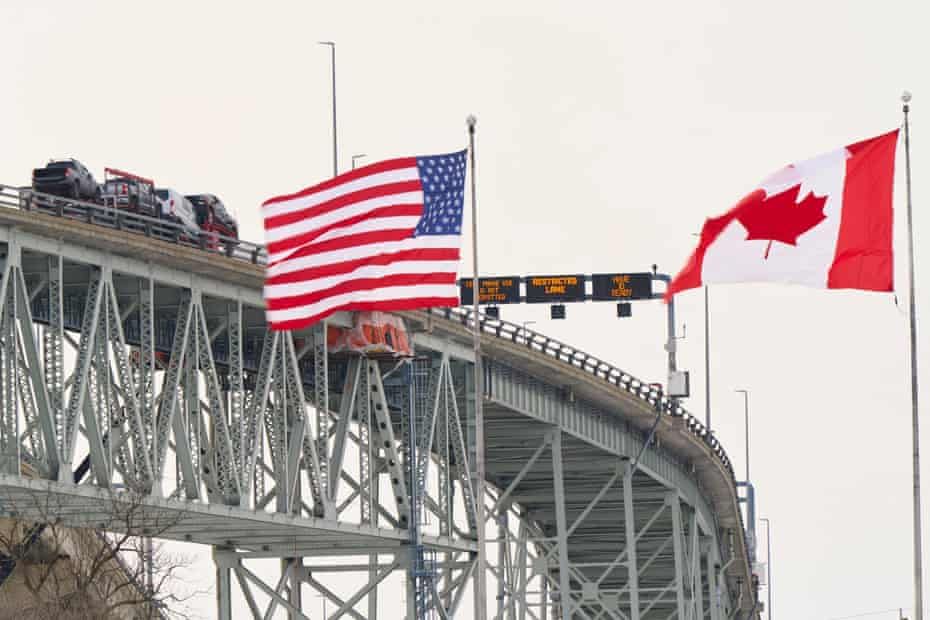
Immigration, Refugees and Citizenship Canada stated that the Safe Third Country Agreement remains an important tool for managing asylum claims in an orderly manner.
Officials also insisted the United States continues to meet the human rights obligations required under the agreement.
The Canada Border Services Agency (CBSA) said officers process claims impartially and that refugees must prove their eligibility under Canadian law.
Authorities further stated border officials can reconsider refugee claims in exceptional cases.
However, critics argue such reconsiderations often happen only after lengthy legal battles and periods of ICE detention.
Canada’s Refugee Image Faces Global Scrutiny
Growing controversy challenges country’s international reputation
The “Canada ICE detention controversy” is rapidly becoming a major test of Canada’s international reputation as a defender of refugees and human rights.
For decades, Canada cultivated a global identity built around multiculturalism, humanitarianism and refugee protection.
But immigration advocates warn that stricter asylum rules and growing cooperation with ICE risk damaging that image permanently.
As political pressure surrounding migration intensifies across North America, the experiences of refugees like Appolon, Tenzin and Singh are increasingly fuelling debate over whether Canada is truly living up to its humanitarian values.
About The Author