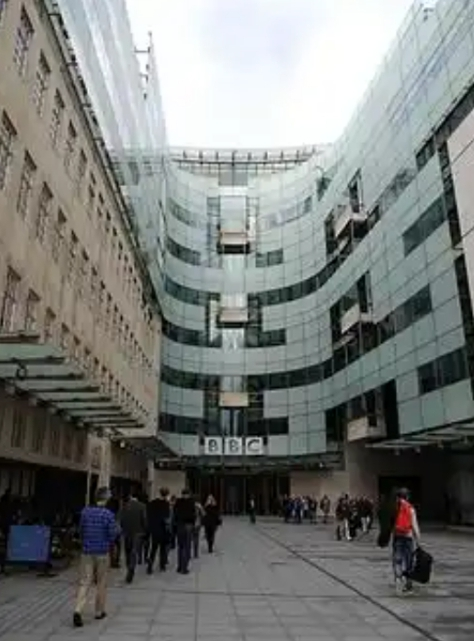
The BBC seeks dismissal of $10bn Trump lawsuit after filing court documents urging a Florida judge to throw out a defamation case linked to a Panorama documentary edit.
The broadcaster argues that the lawsuit, brought by US president Donald Trump, is legally flawed, jurisdictionally improper, and unsupported by evidence of malicious intent.
Court filings show the BBC will submit a motion to dismiss, asserting the Florida court lacks authority to hear the case involving a UK-produced programme.
The dispute centres on a Panorama episode broadcast in 2024 that examined Donald Trump’s speech to supporters on 6 January 2021, shortly before the Capitol riot.
Trump’s legal team claims the programme misleadingly edited his speech to suggest he encouraged violence against lawmakers during the certification of the 2020 election.
At the heart of the case is a spliced sequence combining two remarks delivered nearly an hour apart during Trump’s address near the White House.
The edited clip appeared to show Trump saying: “We’re going to walk down to the Capitol … and we fight. We fight like hell.”
Critics argued the edit removed contextual breaks in the speech, creating an impression of a direct call for immediate confrontation at the Capitol building.
The BBC has previously acknowledged the controversy but maintains the programme did not defame the president or distort the broader meaning of his remarks.
In its court submission, the broadcaster states it neither produced nor transmitted the Panorama episode from within the state of Florida.
Lawyers for the BBC argue this alone is sufficient grounds for dismissal due to lack of personal jurisdiction over the UK-based public broadcaster.
“The BBC does not operate, broadcast, or target this programme from Florida,” the filing states, according to court documents.
The corporation also disputes Trump’s claim that the programme was available to US audiences through the BritBox streaming platform.
“Simply clicking on the link cited by the plaintiff demonstrates the programme is not available on BritBox,” the BBC’s lawyers wrote.
This assertion challenges Trump’s argument that the alleged defamation was knowingly published and distributed to American viewers.
Under US defamation law, public officials must prove “actual malice” — that a statement was published knowingly false or with reckless disregard for truth.
The BBC argues Trump has failed to plausibly allege such intent, describing the claim as speculative and legally insufficient.
“The plaintiff has not demonstrated that the BBC acted with actual malice,” the filing reportedly says.
The broadcaster is also seeking to halt the discovery process while the dismissal motion is considered by the court.
Discovery allows parties to request documents and testimony before trial, often imposing significant time and financial costs.
BBC lawyers warned that allowing discovery to proceed would open the door to sweeping and intrusive demands.
They argue Trump’s team would likely seek extensive material covering the BBC’s entire editorial coverage of Trump over more than a decade.
“This would be broad, objectionable discovery,” the filing states, “implicating editorial independence and journalistic freedom.”
The BBC contends such requests would amount to an undue burden on a public broadcaster operating outside US jurisdiction.
Trump is seeking up to $10bn (£7.5bn) in damages, claiming reputational harm and economic injury resulting from the Panorama edit.
His lawyers describe the programme as “false and defamatory” and accuse the BBC of deliberately misrepresenting his words.
The case adds to a broader pattern of legal action by Trump against media organisations he believes have treated him unfairly.
Since returning to the presidency, Trump has repeatedly criticised mainstream media outlets, accusing them of political bias.
The Panorama episode first attracted public criticism in 2025, a year after its original broadcast.
Media analysts and free speech advocates debated whether the edit crossed the line between interpretation and misrepresentation.
Some argued the programme reflected the broader tone of Trump’s rhetoric that day, even if the edit compressed time.
Others said journalistic standards required clearer signposting to avoid misleading viewers about the sequence of events.
The BBC has not admitted wrongdoing and has defended the editorial decisions behind the documentary.
A spokesperson for the broadcaster declined further comment when approached, citing ongoing legal proceedings.
If the case proceeds, a trial date in 2027 has been provisionally suggested by the court.
Legal experts say jurisdictional challenges often play a decisive role in international defamation disputes.
Read also: Israel advances fatal settlement plan for occupied East Jerusalem
“US courts are cautious about asserting authority over foreign media organisations,” one media law analyst noted.
The outcome could have wider implications for how international broadcasters are sued in US courts.
It may also influence how documentaries use edited political speech when examining controversial historical events.
For now, the BBC maintains the lawsuit should be dismissed before reaching substantive arguments over editorial judgment.
The Florida court is expected to rule on the dismissal motion in the coming months.
Until then, the case underscores the growing legal and political tensions between Donald Trump and global media institutions.
About The Author