Bangladesh faces concern as reports confirm Khaleda Zia very critical condition, prompting urgent appeals for prayers amid rising uncertainty surrounding her health and political future.
Doctors at Evercare Hospital continue intensive monitoring as family members warn of deteriorating strength, urging supporters to remain calm despite growing Bangladesh political tension.
Officials within the Bangladesh National Party stress the gravity of her illness, repeating medical briefings detailing respiratory complications and systemic weaknesses impacting the veteran politician.
Her longtime physician emphasised stabilisation efforts, telling journalists that no rapid improvement should be expected, despite limited signs the treatment plan is preventing further deterioration.
BNP leaders insist her chronic illnesses complicate recovery, reinforcing public fears deepened by her frailty and the political significance attached to her survival.
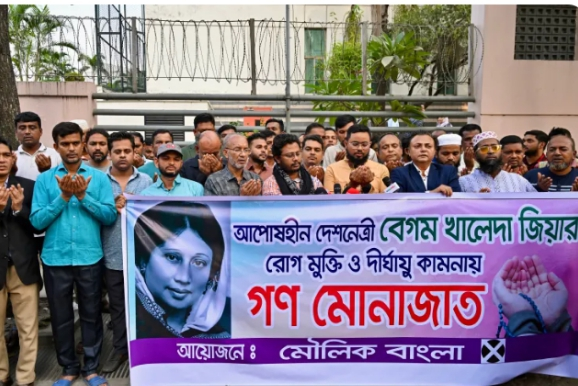
Hospital officials continue requesting patience from citizens gathering outside the facility, reminding them that disruption may hinder emergency operations during this unfolding Dhaka medical emergency.
Supporters standing vigil outside Evercare Hospital displayed banners portraying their leader, reciting prayers while urging others across Bangladesh to join collective appeals for healing.
Many gathered followers spoke emotionally about her legacy, describing her as a resilient figure who shaped national politics despite recurring trials, imprisonment and prolonged health battles.
Party members stressed the spiritual significance of public prayer, promising continuous updates while encouraging citizens to remain hopeful amid persistent medical uncertainty surrounding her condition.
Her son Tarique Rahman addressed supporters online, expressing gratitude for ongoing solidarity while asking Bangladeshis to continue praying for improved health and peaceful recovery for his mother.
Rahman’s message resonated nationwide, with thousands sharing it on social media as anxiety spread over Khaleda Zia very critical condition and its national implications.
The BNP leadership highlighted the symbolic importance of her survival, suggesting her presence remains vital for unity against political rivalries and widening socioeconomic challenges.
Many analysts note rising speculation that her health crisis could trigger an accelerated reshaping of political alliances, intensifying debates already driven by Bangladesh political tension.
Observers warn the opposition’s dynamics could shift quickly, as competing BNP factions position themselves for relevance amid concerns of an imminent BNP leadership crisis.
Veteran party organisers expressed unease about potential internal fragmentation, noting that Zia’s authority historically served as the movement’s stabilising force through decades of turbulence.
Political scientists argue her absence from public life may catalyse leadership disputes, amplifying uncertainty ahead of the pivotal 2026 general elections.
Commentators continue stressing how her influence, though limited by illness, remains unmatched, giving her symbolic weight capable of shaping voter behaviour even from intensive care.
Government representatives issued cautious statements acknowledging her contributions while urging supporters to avoid gatherings that might obstruct hospital logistics or emergency vehicle passage.
Interim leader Muhammad Yunus released a short message, emphasising national unity, calling her inspirational and noting her recovery holds importance for Bangladesh’s democratic transition.
Several civil society organisations echoed similar sentiments, stressing compassion and political calm during this emotionally charged period of Bangladesh political tension.
Diplomatic missions in Dhaka released cordial statements wishing quick recovery while urging restraint as crowds continued expanding near the hospital entrance.
Special security units monitored the area closely, attempting to maintain order amid rising public agitation and disruptions caused by anxious supporters.
Medical spokespersons reiterated Zia’s complex health profile, listing cardiovascular issues, diabetes, liver complications and chronic infections that collectively intensify risks during prolonged hospitalisation.
They warned that stabilising her condition may take weeks, noting that doctors continue adjusting medication strategies to prevent sudden organ failure or respiratory decline.
International media outlets highlighted her history of political prominence, recalling her three terms as prime minister and influential role in opposition strategy over several decades.
Many outlets reiterated her 2018 conviction under former Prime Minister Sheikh Hasina, reminding readers of her time in detention and subsequent release amid public pressure.
Political historians argue her imprisonment reshaped governance debates, intensifying protests and shifting voter perceptions at a moment already marked by widespread activism.
Her supporters continue citing what they call “injustice,” insisting her treatment was politically motivated, framing her current health crisis as a reminder of state overreach.
Others emphasise that whatever political disagreements exist, compassion demands collective hope for recovery, especially given her advanced age and extensive medical complications.
The growing crowd near the hospital illustrates her enduring influence, with residents arriving from distant districts seeking firsthand updates on Khaleda Zia very critical condition.
Some said they travelled overnight, describing her as a “heroic mother of democracy,” claiming her leadership remains essential for national stability amid ongoing political uncertainty.
Many described emotional strain, insisting they feel personally affected by her suffering, viewing her medical emergency as a symbolic reflection of national struggle.
BNP officials have placed an air ambulance on standby, announcing she could be transferred abroad for specialised treatment once doctors confirm she is stable enough.
Medical personnel emphasised that transferring critically ill patients carries significant risk, noting the decision must be carefully timed to avoid endangering her fragile condition.
Her team said international specialists are prepared to support treatment, though no country has been publicly identified as the preferred destination.
This uncertainty deepens public anxiety, feeding speculation regarding political motivations and bureaucratic hurdles possibly complicating evacuation plans.
Party officials deny delays, insisting decisions remain purely medical, with no political interference involved in handling her Dhaka medical emergency.
Analysts argue that even the perception of political obstruction could trigger mass mobilisation, particularly among supporters who view Zia as a symbol of resistance.
Protest groups have been preparing updates, warning that unnecessary restrictions on her care could intensify tensions already shaping pre-election national discourse.
As Bangladesh moves toward the anticipated February 2026 polls, her deteriorating health injects new unpredictability into an already fragile political landscape.
Many political commentators warn that her absence from campaigning could reshape opposition strategy, deepening 2026 election uncertainty as coalition options remain unfinalised.
Some argue her survival may determine the opposition’s ability to unite, given longstanding ideological rifts among senior leaders.
Voter groups sympathetic to BNP express concern that losing her guidance would weaken their confidence ahead of the crucial electoral period.
Political youths say they remain determined to continue her mission, insisting her values should guide new leadership regardless of outcome.
Citizens across Dhaka described feeling unsettled, saying her condition has created a sense of collective vulnerability during a time of national transition.
Business owners reported slower activity in some districts, attributing reduced customer turnout partly to anxiety surrounding Khaleda Zia very critical condition.
Social media platforms overflow with messages of solidarity, remembrance and prayer, reflecting her deep emotional resonance across multiple generations of supporters.
Online commentary includes warnings against misinformation, with activists urging responsible sharing of health updates to avoid public panic.
Journalists stationed outside the hospital describe an atmosphere marked by tension, hope and fear, with crowds erupting each time an official briefing appears.
The hospital administration continues coordinating with security forces, preparing for potentially larger gatherings should her condition change suddenly.
Cultural organisations and religious institutions across Bangladesh have organised prayer sessions, emphasising compassion as a unifying national value.
Imams and community leaders urged citizens to maintain peace, reminding them that unity is essential in moments of national stress.
Human rights advocates appealed for restrictions on political rhetoric, urging all factions to prioritise empathy over opportunistic commentary during her vulnerable period.
International observers note that Bangladesh’s political future may be shaped in part by outcomes of this medical crisis and resulting shifts in public emotion.
Her story continues capturing global attention, reinforcing narratives about resilience, leadership and the complexities of political life in South Asia.
Despite critical health challenges, supporters insist hope must remain present, believing prayer and medical expertise may still guide her toward eventual recovery.
As night falls over Dhaka, crowds persist outside Evercare Hospital, waiting anxiously for the next update capable of easing their fears or deepening their sorrow.
Many whisper quiet prayers, expressing unshaken belief that their leader will overcome this ordeal and continue inspiring political change.
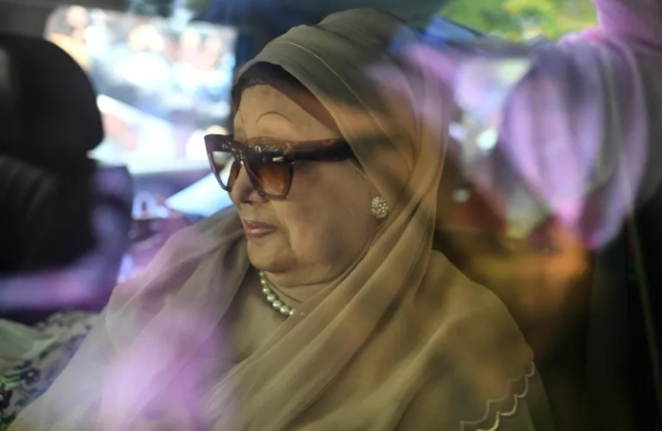
Her fate remains uncertain, yet her influence persists, echoing through conversations, gatherings and reflections across Bangladesh.
For now, Khaleda Zia very critical condition continues shaping national consciousness, revealing how deeply intertwined her personal struggles remain with Bangladesh’s broader political destiny.
About The Author