Venezuela denounces Trump’s airspace remarks as Washington hardens its stance, deepening an already fraught climate shaped by longstanding mistrust, mutual recriminations, and intensifying regional diplomatic strain, officials warn.
Caracas reacted sharply, calling Trump’s declaration a “colonialist threat,” insisting the move dangerously fuels escalating tensions and undermines regional stability through rhetoric analysts described as “reckless, provocative, and deeply troubling.”
The foreign ministry argued the message constitutes an airspace closure dispute that “violates international norms,” while adding that Venezuelans “refuse to bow to threats,” echoing President Maduro’s televised proclamation.
Observers said the US-Venezuela standoff has entered an unpredictable phase, as conflicting signals from Washington leave diplomats questioning whether military escalation now represents a tangible, immediate possibility.
Trump’s post on Truth Social warned airlines, pilots, and illicit operators that Venezuelan skies are “closed in their entirety,” language critics claim dangerously widens the geopolitical rift.
The Venezuelan government responded that such comments function as “psychological pressure,” designed to justify interventionist ambitions rather than legitimate anti-trafficking efforts, affirming “we see through every fabricated narrative.”
Analysts highlighted how both nations weaponise public messaging, with one regional scholar noting “words have consequences,” particularly when delivered by leaders capable of redefining strategic red lines overnight.
Maduro accused Washington of fomenting destabilisation, alleging Trump’s advisers “invent excuses and manipulate reality,” insisting Caracas remains prepared to safeguard sovereignty against “any foreign attempts at coercion.”
Meanwhile, US officials frame the airspace closure dispute as essential to combating transnational organised crime, though critics argue the narrative masks broader regime-change impulses.
Human rights observers warned earlier actions—including maritime strikes and expanded sanctions—already inflicted humanitarian harm, noting that “ordinary Venezuelans often bear the brunt of geopolitical theatrics.”
Reports of a private conversation between Trump and Maduro bewildered analysts, suggesting Washington’s messaging oscillates dramatically between confrontation and engagement, fuelling regional uncertainty.
The New York Times disclosed the two leaders discussed a potential future meeting, but no plans materialised, leaving diplomats speculating about Washington’s shifting strategic priorities.
Newsmen observed that Trump appears to alternate “hot and cold,” emphasising his ambiguous posture complicates assessments of whether threats escalate toward military action.
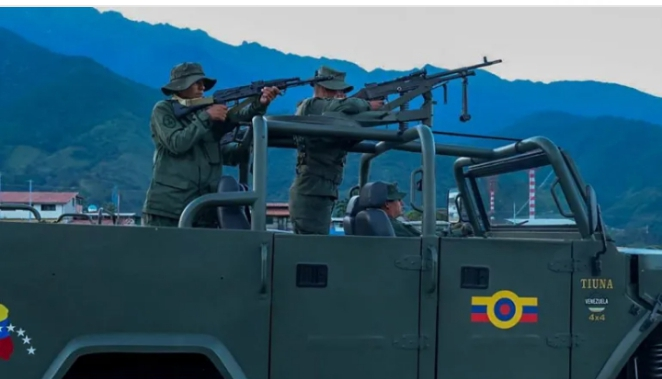
The Venezuelan government insists the country faces an unconventional pressure campaign, framed as a struggle against “neocolonial designs” rather than a bilateral disagreement merely centred on aviation safety.
Six major airlines suspended flights after US aviation authorities cited heightened risk, prompting Caracas to accuse them of “joining state terrorism” by “complying unquestioningly with Washington’s agenda.”
Venezuelan officials revoked the carriers’ operating rights, reflecting tensions spilling into commercial aviation, underscoring how geopolitical friction directly disrupts civilian mobility.
Economic researchers warn airspace restrictions could exacerbate shortages of essential goods, arguing that “in isolated economies, even symbolic restrictions create real humanitarian consequences.”
One expert described the latest announcement as a “scorched earth” approach, insisting policy architects overlook how disruptions amplify suffering among vulnerable populations already facing hardship.
The Bolivarian University’s Professor Farinya said US actions represent “open aggression,” targeting Venezuelans’ livelihoods, undermining trade, and blocking travel required for medical emergencies and family reunification.
He argued the broader sanctions regime constitutes a decade-long economic war, intensifying structural crises, weakening institutions, and limiting access to global markets essential for national recovery.
Diplomats caution that framing the issue purely as an airspace closure dispute oversimplifies a multi-layered conflict that spans ideology, security, energy interests, and decades-old intervention grievances.
Washington’s designation of the so-called Cartel de los Soles as a terrorist organisation further raised stakes, a decision Caracas denounced as “propagandistic manoeuvring” aimed at delegitimising state authority.
The reward Washington offered for Maduro’s arrest compounds tensions, signalling what analysts interpret as overt regime-change pressure inconsistent with diplomatic norms.
Regional governments expressed concern that escalating tensions could destabilise Latin America, particularly if rhetoric escalates into force projection or broader militarisation of contested zones.
Cuba, among Venezuela’s closest allies, criticised Washington’s posture as “aggressive and inflammatory,” urging restraint and calling for renewed dialogue grounded in international law.
Meanwhile, US hawks argue pressure must intensify until Maduro resigns, a stance critics describe as unrealistic, destabilising, and likely to produce unintended humanitarian catastrophe.
Civil society groups across the region warn the US-Venezuela standoff risks igniting wider conflict, particularly as both governments amplify nationalist messaging to galvanise domestic support.
Experts emphasise that escalating tensions rarely remain symbolic, with one saying “history shows that once rhetoric escalates to ultimatum-like statements, pathways to de-escalation shrink significantly.”
US naval deployments in the Caribbean escalate concerns, especially following maritime strikes that UN experts labelled extrajudicial, highlighting deteriorating compliance with international humanitarian standards.
Venezuela maintains these strikes were pretexts for deeper intervention, accusing Washington of manipulating criminal enforcement narratives to legitimise the projection of military force.
The FAA’s warnings about “hazardous conditions” reflect how geopolitical pressures integrate into aviation assessments, though Caracas dismissed them as “politically engineered alarms.”
Critics argue restricting Venezuelan skies raises risks rather than mitigating them, especially if miscommunication occurs between military operators, commercial pilots, and foreign authorities.
Diplomatic analysts consider the latest developments part of a larger geopolitical struggle, with Latin America becoming an arena for ideological confrontation reminiscent of earlier Cold War-style tensions.
However, some US officials insist measures aim solely to curb narcotics flows, rejecting claims of interventionism and emphasising that “protecting Americans from drug trafficking remains our mission.”
Venezuelan leaders counter that Washington inflates trafficking allegations to erode state legitimacy, insisting “drug policy cannot justify violations of sovereign airspace or coercive pressure campaigns.”
Humanitarian organisations fear compounded restrictions limit access to medical supplies, vaccines, spare aircraft parts, and international aid initiatives essential for stabilising Venezuela’s struggling infrastructure.
Airline executives express uncertainty about future operations, stating they face “impossible decisions under politically charged conditions,” risking financial losses and long-term market withdrawal.
Migration experts warn the airspace dispute may worsen regional displacement, as Venezuelans already navigating difficult routes may find legal travel corridors even more restricted.
Maduro’s government pledged resilience, stating “no foreign decree will dictate Venezuela’s destiny,” framing resistance as a patriotic duty rooted in national dignity and constitutional responsibility.
Energy analysts note destabilisation risks affecting global oil markets, as Venezuela remains a key player despite reduced output, making sudden disruptions potentially influential.
Brazil and Colombia quietly advocate de-escalation, recognising that regional stability depends on preventing miscalculations between two governments entrenched in confrontational positions.
Some diplomats hope backchannel communication can moderate tensions, though leaks about inconsistent messaging from Washington undermine confidence in sustained diplomatic engagement.
Regional blocs may attempt to convene emergency dialogue, though previous efforts faltered under political polarisation and competing interests among member states.
As the crisis deepens, citizens remain anxious, with many expressing fear that political brinkmanship may escalate into cross-border conflict or further economic isolation.
Washington faces criticism at home too, with lawmakers warning that unilateral escalation lacks transparent strategy and could entangle the US in a protracted regional confrontation.
Analysts argue that restoring diplomatic channels is imperative, stressing “a communications blackout in an environment of military posturing becomes incredibly dangerous.”
Still, mutual distrust entrenched over decades makes reversal challenging, and neither side appears willing to initiate concessions without assurances unlikely to materialise soon.
Ultimately, the Venezuela denounces Trump’s airspace remarks controversy reflects a deeper struggle over sovereignty, power dynamics, and competing visions for regional order in the Western Hemisphere.
Experts warn that unless cooler heads prevail, the dispute risks hardening into a prolonged crisis with consequences that stretch far beyond bilateral politics or symbolic declarations.
Both nations now confront a narrowing window to prevent further escalation, as rhetoric amplifies and international observers watch anxiously for signs of diplomatic re-engagement.
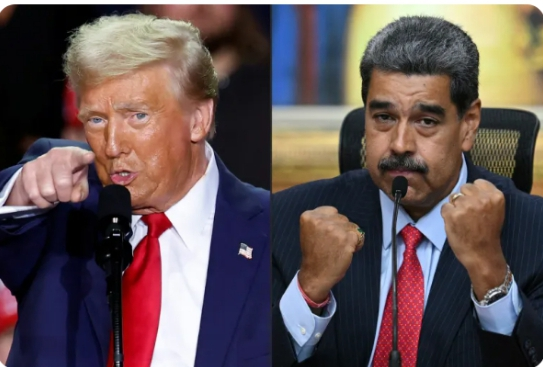
For Venezuelans, the fear remains that intensifying confrontation may trigger deeper instability, while for Americans, questions persist about strategic clarity and long-term objectives.
In this climate of heightened suspicion, regional leaders stress that dialogue—however difficult—remains the only viable path away from confrontation and toward durable stability.
About The Author