The Assisted Dying Bill has returned to the centre of British politics after Labour MP Lauren Edwards announced plans to reintroduce legislation that would allow assisted deaths for terminally ill adults in England and Wales.
According to The Independent, Edwards, the MP for Rochester and Strood, intends to revive the Terminally Ill Adults (End of Life) Bill after securing a strong position in the ballot for Private Members’ Bills, reigniting one of the most contentious debates in British politics.
The decision has immediately reopened deep divisions within the Parliamentary Labour Party, reigniting one of the most contentious moral, legal and political debates in modern British politics.
Lauren Edwards Revives the Assisted Dying Bill
Edwards, the MP for Rochester and Strood, secured a strong position in the ballot for Private Members’ Bills and has confirmed that she intends to revive the Terminally Ill Adults (End of Life) Bill.
Her announcement comes only months after the original legislation failed to complete its passage through Parliament despite narrowly winning support in the House of Commons.
The previous bill, introduced by Kim Leadbeater, passed the Commons by a margin of just 23 votes before encountering significant resistance in the House of Lords.
Supporters of the legislation argued that terminally ill people deserve greater autonomy and dignity at the end of life, while opponents raised concerns about safeguards and the potential impact on vulnerable groups.
The narrow parliamentary victory highlighted profound disagreements not only across political parties but also within Labour itself.
Labour Civil War Reignites Over End-of-Life Reform
Those divisions now appear set to intensify as Edwards pushes for a renewed debate on legislation many MPs believed had been settled for the current Parliament.
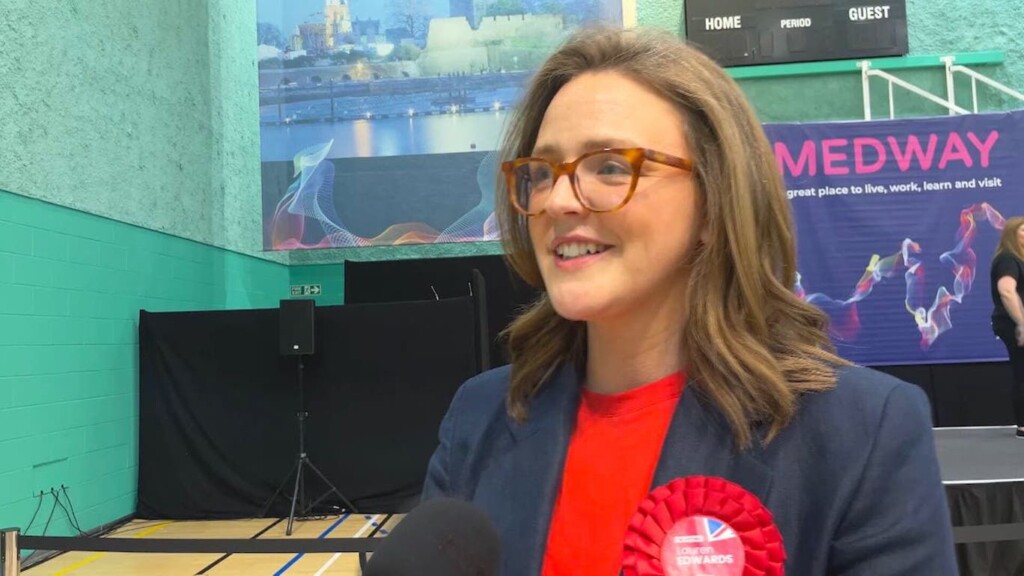
Her decision arrives at a particularly sensitive moment for Labour, which is already struggling with internal disputes over policy direction, leadership questions and government priorities.
Several MPs have warned that reopening the Assisted Dying Bill debate could further destabilise an already fractured party.
Edwards nevertheless insists that Parliament must be allowed to reach a final democratic decision on a matter affecting thousands of terminally ill patients and their families.
She argued that the elected House of Commons should have the final say on legislation rather than seeing proposals delayed or blocked elsewhere in Parliament.
Edwards Defends the Bill’s Return
In a statement explaining her decision, Edwards described assisted dying as “a long overdue change to the law.”
She maintained that the previous legislation was prevented from becoming law only because a minority of peers in the House of Lords used parliamentary procedures to delay its progress.
“We owe it to all those terminally ill people and their families who are depending on this Bill to ensure that Parliament can come to a final decision on the question of choice at the end of life,” Edwards said.
Supporters Say Terminally Ill Patients Deserve Choice
Her position has received strong support from MPs who believe patients facing terminal illnesses should have greater control over decisions surrounding their final days.
Among those welcoming the move was Labour MP Sam Carling, who praised Edwards for bringing the legislation back before Parliament.
Carling said terminally ill people “deserve to have choice at the end of life” and welcomed the opportunity for Parliament to make a final determination.
Supporters believe the legislation represents a compassionate reform that reflects changing public attitudes toward end-of-life care and personal autonomy.
Campaign groups advocating assisted dying have similarly celebrated the announcement as a significant breakthrough after years of campaigning.
Sarah Wootton, chief executive of Dignity in Dying, said the development would come as an enormous relief to many terminally ill people and their families.
She argued that parliamentary momentum toward reform should not have been halted after the previous bill received support from elected representatives.
Campaigners Welcome Fresh Parliamentary Debate
Supporters maintain that legal reform would provide greater safeguards and clearer legal protections for terminally ill people facing difficult end-of-life decisions.
They also argue that Parliament should be allowed to complete consideration of a measure that has already secured backing from elected MPs.
Critics Warn the Assisted Dying Bill Remains Flawed
However, opposition within Labour remains fierce and highly organised.
Several MPs have accused supporters of prioritising a deeply divisive issue at a time when the government faces major economic and social challenges.
Labour MP Ashley Dalton questioned whether the Assisted Dying Bill should be a legislative priority when families continue to struggle with the cost-of-living crisis and pressures on public services.
Dalton warned that supporters had refused to address concerns raised throughout months of parliamentary scrutiny.
“We have debated this deeply divisive and flawed assisted dying bill for over a year and supporters have refused to listen,” she said.
Her criticism was echoed by Newcastle-under-Lyme MP Adam Jogee, who argued that the legislation remains fundamentally unchanged despite extensive debate.
Jogee claimed that the proposal would grant future governments excessive authority over issues involving life, death and healthcare policy.
Other critics have expressed fears that vulnerable individuals could feel pressure to pursue assisted death under certain circumstances.
Safeguard Concerns Continue to Dominate Debate
South Shields MP Emme Lewell described herself as “absolutely dismayed” by the bill’s return to Parliament.
She argued that many professional and medical organisations remain unconvinced that sufficient safeguards exist to prevent misuse.
Concerns about safeguarding have become one of the central arguments advanced by opponents of the legislation.
Disability rights groups, healthcare professionals and advocacy organisations have repeatedly called for stronger protections before any change in the law is considered.
One of the most prominent critics is actor and disability rights campaigner Liz Carr.
Carr warned that reintroducing the legislation effectively revives the same concerns and unresolved issues that surrounded the previous version of the bill.
She argued that vulnerable groups continue to face risks that have not been adequately addressed.
“The same gaps. The same risks,” Carr said while criticising the renewed legislative effort.
She questioned whether disabled, elderly and seriously ill individuals could have confidence in safeguards within systems they already struggle to navigate.
Constituents and Polls Raise Further Questions
The controversy has extended beyond Westminster and into local constituencies.
Reports indicate that more than 550 constituents signed a petition urging Edwards not to bring back the legislation.
Campaigners instead encouraged her to focus on issues they believed would command broader support across the constituency.
Polling data has further complicated the debate.
According to recent survey findings, legalising assisted dying ranked among the lowest priorities identified by Rochester and Strood voters.
Only a small percentage of respondents included the issue among their top priorities for legislative action during the coming year.
Nevertheless, supporters argue that questions involving human dignity and personal choice should not be measured solely by polling numbers.
They contend that Parliament has a responsibility to address difficult ethical issues even when public attention is focused elsewhere.
What Happens Next?
The return of the Assisted Dying Bill therefore represents far more than another parliamentary debate.
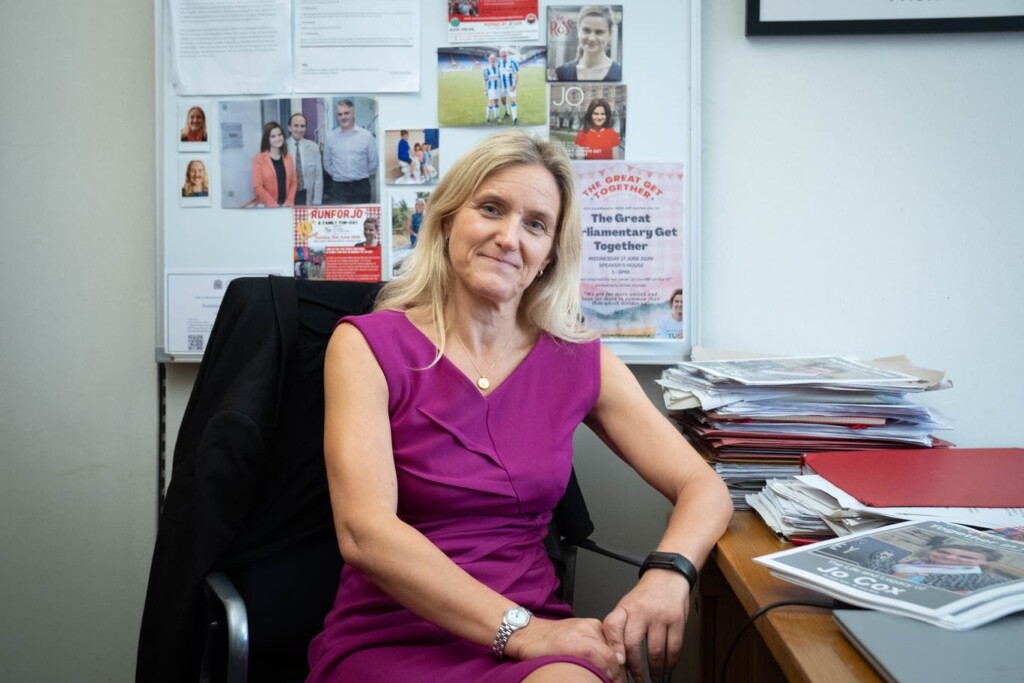
It has become a test of Labour’s unity, a challenge for party leadership and a focal point in a wider national conversation about morality, healthcare and individual rights.
As Parliament prepares to revisit the issue, both supporters and opponents are mobilising for what promises to be another fierce political battle.
Whether the legislation ultimately succeeds or fails, its reintroduction has already reignited one of Britain’s most emotionally charged and politically sensitive debates.
Read also: US-Iran Peace Deal: Trump hails historic breakthrough as global leaders welcome end to Middle East war
The Assisted Dying Bill now stands poised to shape parliamentary discussions for months ahead while exposing the ideological divisions that continue to define Labour’s future direction.
About The Author