The World Cup 2026 controversy has become one of the biggest talking points in global football, with concerns ranging from visa restrictions and political tensions to soaring ticket prices and security fears. What was expected to be a celebration of the world’s most popular sport is instead facing criticism over decisions involving FIFA, the United States government and tournament organizers.
A Tournament Designed to Be Bigger Than Ever
When FIFA awarded hosting rights to the United States, Canada and Mexico, officials promised a historic tournament built on experience, infrastructure and financial stability. The governing body projected record revenues while promoting the event as a low-risk World Cup that would unite fans across North America.
Instead, the tournament has arrived under a cloud of controversy.
Critics argue that football has increasingly become secondary to politics, commercial interests and international disputes. Rather than focusing on the action on the pitch, conversations surrounding the tournament have centred on immigration policies, international conflicts, security concerns and affordability.
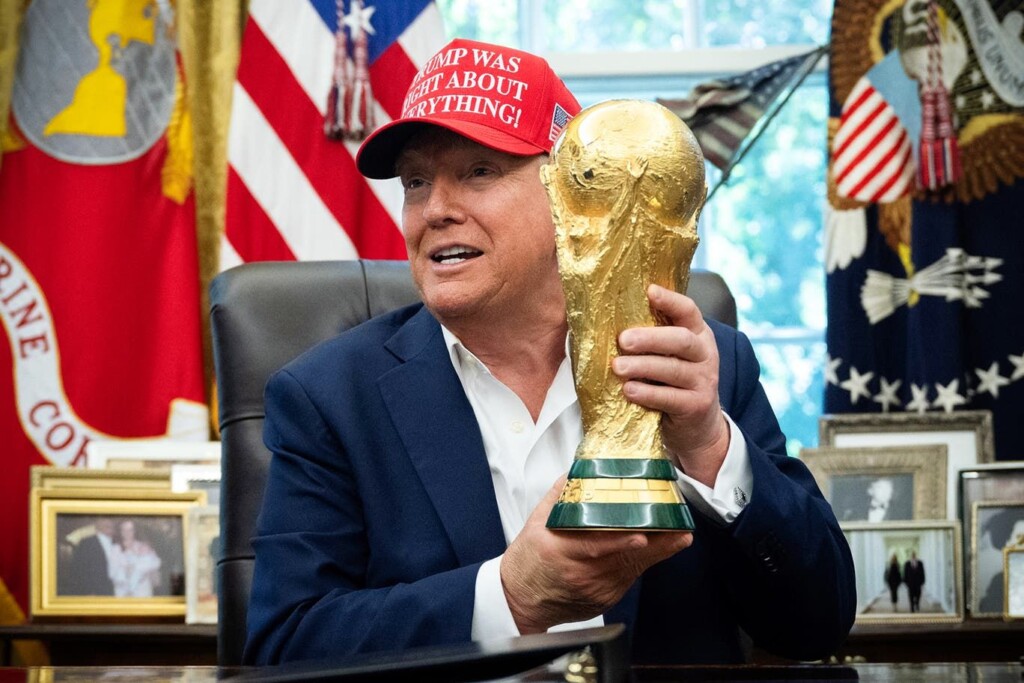
According to The Independent, the tournament has been marked by “more problems that have been utterly unprecedented than in the competition’s entire 92-year history.”Iran Conflict Creates Unprecedented Challenges
Iran Conflict Creates Unprecedented Challenges
Perhaps the most controversial issue surrounding the tournament is the ongoing conflict involving Iran and the United States.
Never before has a World Cup host found itself directly involved in military conflict with a nation participating in the competition shortly before the tournament.
The situation has generated debate about fairness, player welfare and the ability of all qualified nations to participate equally.
Iran’s preparations were reportedly disrupted by visa complications and logistical challenges. Questions have also emerged regarding whether geopolitical tensions could affect tournament operations, particularly if the two nations meet during the knockout stages.
For many observers, the situation represents an unprecedented test of FIFA’s ability to keep politics separate from football.
Why Critics Are Comparing It to Previous FIFA Crises
Past World Cups in Russia and Qatar faced criticism over political and human rights concerns. However, critics argue that the current situation differs because it directly involves a host nation and a participating team.
That distinction has intensified scrutiny of FIFA’s handling of the tournament and raised concerns about consistency in applying its own principles.
Visa Issues Spark Global Debate
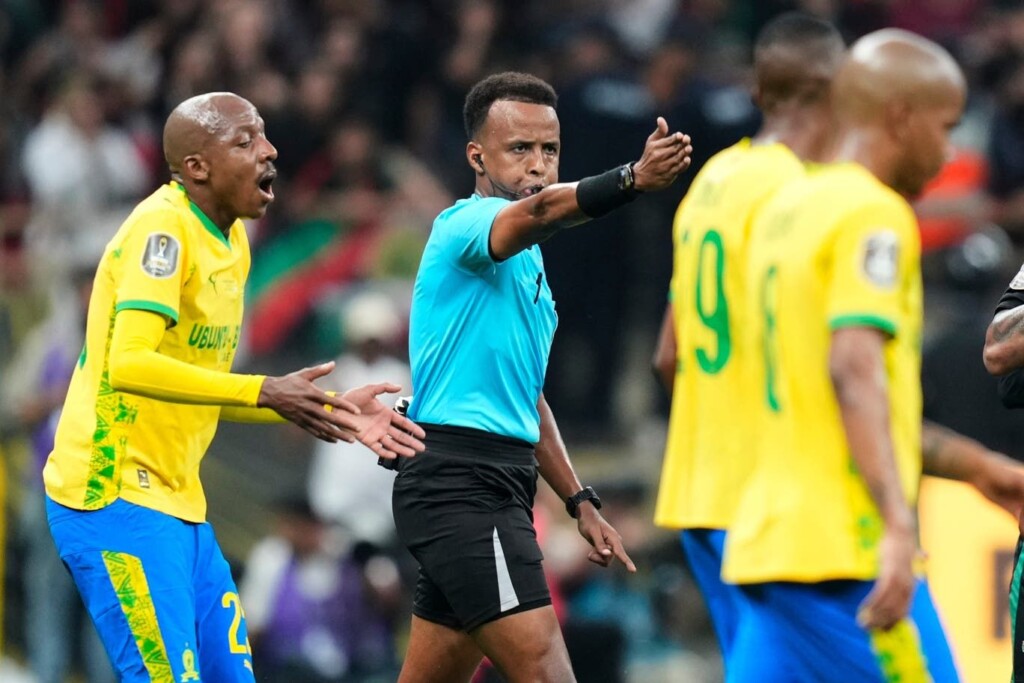
Another major element of the World Cup visa issues debate involves the reported difficulties experienced by some players, officials and referees attempting to enter the United States.
FIFA has traditionally maintained that all qualified participants should have access to host countries. The organization has long emphasized that unrestricted participation is fundamental to the integrity of the World Cup.
However, reports involving delays, additional screening procedures and entry denials have generated criticism from supporters and football administrators.
The controversy intensified when respected Somali referee Omar Artan was reportedly denied entry, sparking concerns about whether immigration policies could influence tournament participation.
Critics argue that such incidents undermine FIFA’s commitment to equal access and fair competition.
The Growing Focus on Donald Trump and FIFA
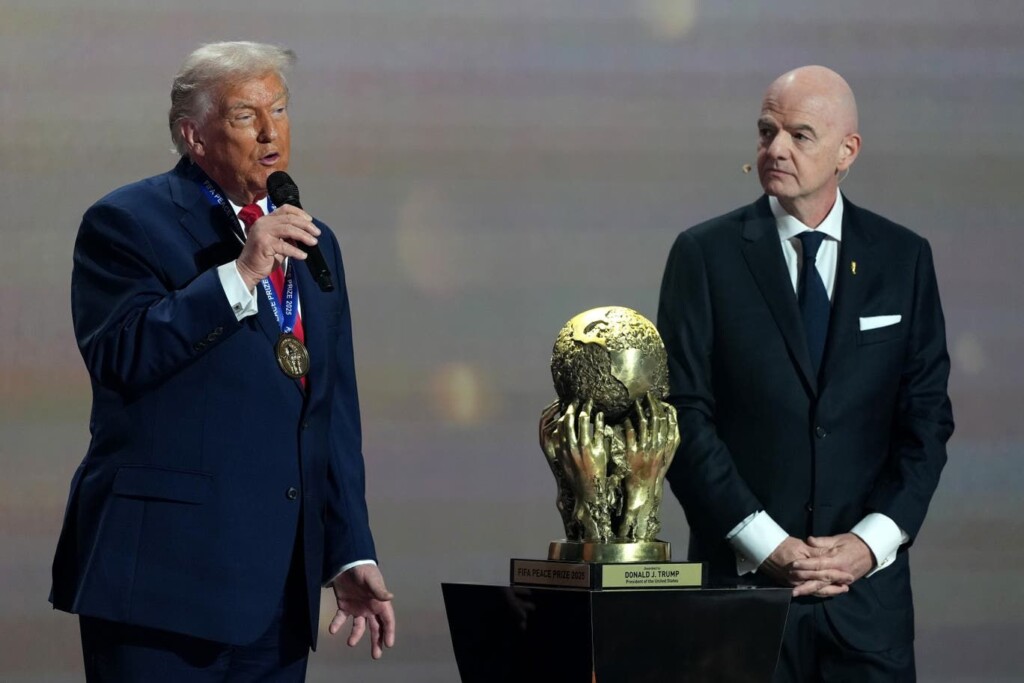
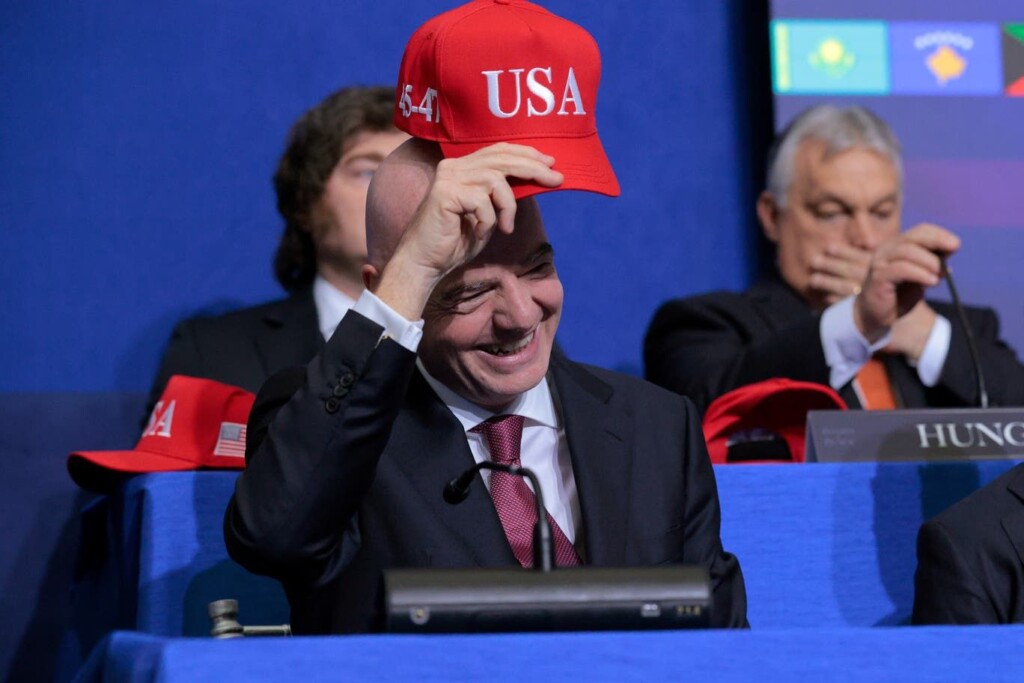
One of the most frequently discussed topics surrounding the tournament is the relationship between FIFA President Gianni Infantino and US President Donald Trump.
Observers have questioned whether FIFA has become too closely aligned with political figures.
Critics point to frequent public appearances and high-profile interactions between the two leaders. Some believe the relationship has blurred the line between football governance and politics.
Supporters argue that cooperation between FIFA and host governments is necessary for the successful organization of a major international event.
Nevertheless, the debate has fuelled broader concerns about political influence within football’s governing structures.
The “MAGA World Cup” Debate
Some football executives and human rights groups have expressed fears that the tournament could be used as a political platform.
Critics have described the event as a potential “MAGA World Cup,” arguing that political messaging risks overshadowing the sport itself.
While supporters dismiss such claims as exaggerated, the debate highlights the increasingly political environment surrounding international sporting events.
Security Concerns Hang Over the Tournament
Another major aspect of the World Cup security concerns discussion involves safety issues in both the United States and Mexico.
Recent incidents, including reports of shootings near team facilities and cartel-related violence in parts of Mexico, have increased anxiety among travelling supporters.
Authorities insist extensive security measures are in place across all host cities.
However, critics argue that fans should not have to worry about issues such as gun violence, organised crime or heavy law-enforcement operations while attending football matches.
Human rights organizations have also raised concerns about surveillance practices and immigration enforcement activities during the competition.
FIFA Faces Backlash Over Ticket Prices
Among ordinary supporters, perhaps no issue has generated more frustration than the cost of attending matches.
The debate over World Cup ticket prices has intensified as fans compare costs with previous tournaments.
Many supporters argue that the World Cup is becoming increasingly inaccessible to average football followers.
Travel expenses, accommodation costs and premium ticket packages have pushed estimated attendance costs into the thousands of dollars for many international fans.
Critics claim FIFA has transformed the World Cup from a people’s tournament into a premium entertainment product designed primarily for wealthy spectators and corporate clients.
As one supporter remarked, “Football belongs to the fans, but many fans can no longer afford to be there.”
Environmental Concerns Add to FIFA World Cup Criticism
Environmental experts have also raised concerns about the tournament’s carbon footprint.
The geographical scale of the competition means teams, officials and supporters will travel vast distances across North America.
Climate researchers estimate that the environmental impact could significantly exceed that of previous tournaments.
The expansion from 32 to 48 teams has further increased concerns about sustainability, travel emissions and resource consumption.
These issues have become another key component of broader FIFA World Cup criticism.
Expansion to 48 Teams Divides Opinion
The decision to expand the tournament remains one of FIFA’s most controversial reforms.
Supporters argue that a larger tournament creates opportunities for emerging football nations and promotes global inclusion.
Critics believe the expansion dilutes competition quality and creates scheduling complications.
Many analysts fear that increasing the number of matches could reduce the intensity and drama that have traditionally made the World Cup special.
The debate reflects a larger question facing football: should growth be measured by participation numbers or by maintaining competitive excellence?
Why the World Cup 2026 Controversy Matters
The World Cup 2026 controversy extends beyond football.
It reflects broader debates about politics, globalization, human rights, commercialisation and the role of international sporting events in modern society.
For supporters, the concern is simple. The World Cup has historically been a celebration of football’s power to unite people across cultures and borders.
Yet many fear that political disputes, visa restrictions, security concerns and financial barriers are overshadowing that mission.
Whether the tournament ultimately succeeds or struggles, it has already become one of the most controversial World Cups in modern history. The challenge for FIFA now is ensuring that once the opening whistle blows, the football itself becomes the main story.