Viola Ford Fletcher, one of the last surviving Tulsa Race Massacre survivors, has died at age 111, leaving a legacy defined by courage, resilience, and tireless advocacy for justice.
Fletcher became a national figure for her work as a civil rights activist, ensuring that the 1921 Tulsa Massacre and the Greenwood District destruction were never forgotten.
Born in 1914, Fletcher was just seven years old during the massacre, witnessing first-hand the burning and looting of one of the most prosperous Black communities in America.
The Tulsa Massacre erupted on May 31, 1921, after police arrested Dick Rowland, a Black shoeshiner, following allegations of assault against a white woman, sparking racial violence.
When white vigilantes gathered at the courthouse demanding Rowland’s lynching, Black residents, including Fletcher’s family, attempted to protect him before chaos engulfed the Greenwood District.
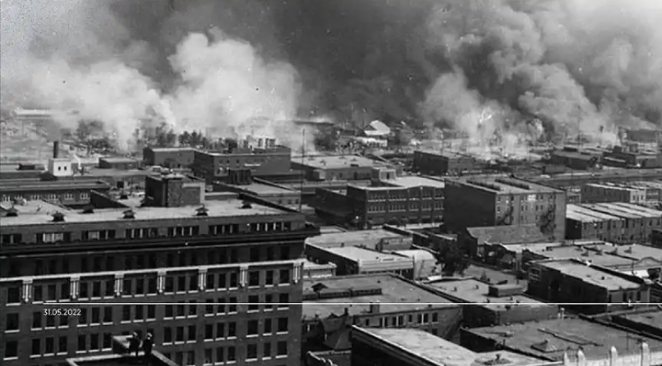
Over 35 blocks, vigilante mobs and law enforcement looted, burned, and destroyed homes, churches, schools, and businesses, leaving hundreds dead and thousands injured during the two-day massacre.
“The world saw fire and destruction, but we saw families, friends, and neighbors fighting to survive,” Fletcher recalled in interviews during her later years, her voice carrying historical weight.

Fletcher’s family, like many others, were forced to flee Greenwood, losing everything. They became sharecroppers, working under a system that left them with almost none of their harvests.
The massacre’s death toll remains uncertain, but historians estimate around 300 killed and 700 injured, with many buried in unmarked graves. The scale of loss devastated the community.
Despite these horrors, Fletcher grew into a strong civil rights activist, speaking publicly about her experiences and seeking justice for survivors who suffered under systemic racism for decades.
Her memoir, Don’t Let Them Bury My Story, co-authored with her grandson in 2023, details her personal journey and the collective trauma endured by Greenwood’s residents during and after the massacre.
Fletcher’s activism included testifying before Congress on the centennial of the massacre in 2021, calling for reparations and legislative recognition of historical injustices committed against Black Americans.
Tulsa Mayor Monroe Nichols called her “a living link to one of the darkest chapters of our city’s history, carrying 111 years of truth, resilience, and grace,” honoring her legacy on social media.
The Greenwood District destruction erased decades of Black prosperity, wealth, and cultural heritage. Fletcher’s advocacy ensured that these losses would be publicly acknowledged and remembered.
“People don’t realize what it was like to lose everything at seven years old,” Fletcher said in a 2023 interview. “We had nothing, but we never lost our voices.”
Although the massacre received limited attention nationally for decades, Fletcher’s life coincided with growing historical acknowledgment, including the Oklahoma commission investigation in 1997 and subsequent advocacy for survivors.
Efforts to secure compensation in 2001 failed due to legal technicalities, yet Fletcher’s courage and persistence highlighted the ongoing struggle for justice decades after the event.
Her story attracted attention from national leaders, including former President Barack Obama, who said: “Viola Ford Fletcher bravely shared her story so that we’d never forget this painful part of our history.”
Fletcher’s presence at commemorations and public hearings symbolized resilience, showing that despite immense loss, survivors’ voices could challenge historical amnesia and demand recognition.
Her family’s experience mirrored that of thousands of Greenwood residents, illustrating the long-term impact of racial violence on Black economic stability, community cohesion, and intergenerational opportunity.
Fletcher’s activism spanned decades, encompassing lectures, media interviews, and collaboration with historians, ensuring the 1921 Tulsa Massacre remained a living history lesson rather than a forgotten tragedy.
Her passing marks the loss of a vital human connection to the Greenwood District destruction, reminding Americans of the personal stories behind historical statistics and census reports.
The memoir and oral histories she left behind serve as educational resources, teaching new generations about the 1921 Tulsa Massacre’s impact and the resilience required to rebuild after violence.
Fletcher’s legacy also underscores the importance of civil rights activism today, showing how one person’s voice can illuminate systemic injustice, spark legislative change, and inspire societal reflection.
Survivors like Fletcher endured unimaginable trauma, yet their testimonies foster reconciliation and historical reckoning, forcing cities like Tulsa to confront past failures while shaping present-day accountability.
Her life’s work demonstrates the intersection of personal experience and public advocacy, as Fletcher bridged historical memory with policy discussions and efforts to honor victims of racial violence.
Fletcher’s story continues to inspire activists, scholars, and citizens seeking to address racial inequities, highlighting the enduring relevance of civil rights advocacy even a century after the massacre.
She passed away peacefully, mourned by family, community members, and national leaders who recognized her as a pioneer in documenting and confronting one of America’s darkest chapters.
Viola Ford Fletcher’s legacy reminds the nation that remembering history is essential, not only for honoring victims but also for learning, reconciliation, and preventing future injustice.
Her life story—spanning 111 years—captures the triumph of human resilience, the importance of speaking truth to power, and the ongoing struggle for justice in the United States.
Fletcher’s passing is a call to action for policymakers, educators, and citizens alike, ensuring the Greenwood District destruction and the 1921 Tulsa Massacre remain central to American historical memory.
About The Author