The US seizes Venezuelan oil tanker, raising tensions sharply. President Trump framed the operation as critical to enforcing sanctions, defending national security, and protecting American energy interests.
Venezuelan President Maduro condemned the seizure as “blatant theft” and an “act of international piracy,” emphasizing his country would defend sovereignty, natural resources, and national dignity with absolute determination.

Attorney General Pamela Bondi confirmed the tanker carried sanctioned oil from Venezuela and Iran. She stressed the operation targeted illicit networks allegedly supporting terrorism, asserting strict compliance with US law.
Military forces executed a coordinated operation, rappelling onto the vessel from helicopters. Bondi stated, “This seizure reflects multi-agency cooperation, precision, and adherence to legal frameworks governing international waters.”
Trump celebrated the action publicly, calling the tanker “the largest ever seized,” and suggested additional measures would follow, reinforcing the administration’s commitment to energy security policies and sanctions enforcement.
Analysts warn the operation may exacerbate Venezuela-US relations. “This escalation could provoke economic or military countermeasures from Caracas, increasing instability across the Caribbean region,” noted regional security analyst Maria Gonzalez.
Since returning to office, Trump deployed US naval forces, including the USS Gerald Ford and strike group, to the southern Caribbean, signaling readiness for maximum pressure campaigns against Venezuela.
Maduro responded by mobilizing coastal defenses. “Our armed forces will resist aggression. Venezuela defends sovereignty and natural resources with absolute determination,” he declared, emphasizing the country’s commitment to national security.
Oil exports are vital to Venezuela’s economy, with over 900,000 barrels exported daily. The tanker seizure caused crude futures to rise, reflecting global markets’ sensitivity to geopolitical instability in the Caribbean.
Trump’s aggressive policies have drawn mixed domestic reactions. Polls indicate only 17 percent of Americans support military action to remove Maduro, showing skepticism about interventionist strategies in Latin America.
International observers voiced concern. UN experts warned escalating US pressure could destabilize the region, urging Washington and Caracas to engage in diplomatic dialogue to prevent broader conflict.
Bondi emphasized the tanker targeted legal violations, not political disputes. “This vessel was sanctioned for years due to illicit oil transport supporting foreign terrorist networks,” she stated on social media.
The administration framed the seizure within America First policies. Trump told reporters, “We assume we’re going to keep the oil. Protecting national energy interests remains a top priority for the United States.”
Previous administrations, including Biden’s, also seized Venezuelan assets, including aircraft, citing sanctions violations. Maduro described these operations as “brazen theft” and promised retaliatory measures to protect sovereignty.
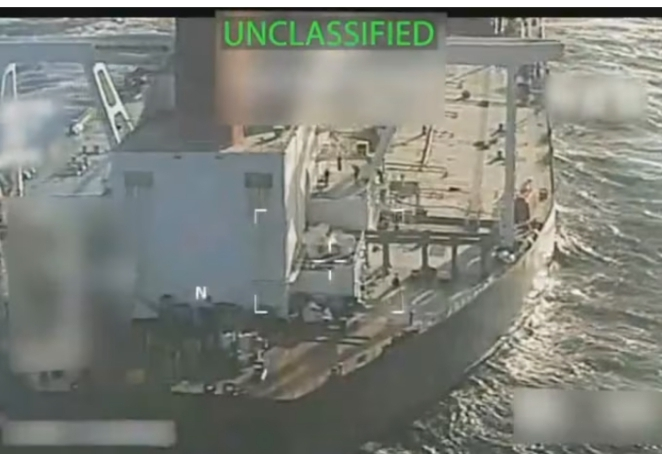
US military campaigns in the Caribbean targeted drug-trafficking boats allegedly linked to Venezuela. Trump threatened escalation on land, intensifying concerns about a broader conflict between the two nations.
Details regarding the tanker remain scarce. Al Jazeera correspondent Mike Hanna noted, “Apart from presidential confirmation, few details exist, leaving analysts to assess potential geopolitical consequences cautiously.”
Venezuela’s Foreign Ministry intends to challenge the seizure in international courts, asserting the operation violated maritime law. Arreaza called the US action “a serious breach of global norms.”
“This seizure marks a major escalation,” said Hanna. “Trump appears to consider regime change, signaling US commitment to enforcing sanctions aggressively and deterring illicit oil transport networks.”
Economic analysts predict ongoing volatility in oil markets. Venezuela’s crude exports are globally significant, and disputes over assets could disrupt energy pricing and international trade flows.
Trump’s anti-Maduro campaign began during his first term, including multimillion-dollar arrest rewards. The renewed enforcement reflects continuity in US policy with additional legal and operational rigor.
Maduro closed Venezuelan airspace to foreign airlines, warning them to suspend flights. “These measures protect national security and ensure sovereign control over our airspace amid aggressive US actions,” he said.
Polls reveal growing disapproval of Trump’s approach. Reuters/Ipsos found nearly half of Americans opposed targeting Venezuelan-linked vessels, citing international law concerns and potential geopolitical backlash.
Trump has not contacted Maduro since the tanker seizure. Officials claim diplomatic channels remain open but secondary to enforcement, sanctions, and national security priorities.
Regional dynamics are affected, as neighboring nations monitor US-Venezuela tensions closely. Analysts caution escalation could spill into broader Latin American political and security arenas.
Experts stress diplomacy remains essential. Luis Ramirez, political strategist, said, “Legal enforcement is one thing, but dialogue is crucial to prevent destabilization across the Caribbean region.”
US-Venezuela tensions highlight broader geopolitical rivalries. With Iran implicated in sanctioned oil shipments, the tanker seizure reflects the intersection of energy security, sanctions enforcement, and global strategic interests.
Caracas vows resistance while Washington asserts legal authority. The unfolding conflict tests both nations’ ability to manage escalation and could reshape Latin American geopolitics in coming months.
Trump’s administration touts the tanker seizure as a victory. Critics argue it risks fueling anti-US sentiment and strengthening Maduro domestically, complicating future diplomatic engagement in the region.
Observers recommend careful monitoring. Hanna said, “Strategic patience, international mediation, and clear communication are essential to prevent miscalculations that could lead to unintended conflict.”
The operation reinforces US commitment to sanctions compliance. Bondi emphasized, “Illicit oil shipments supporting terrorism or violating national security will not be tolerated and enforcement will continue aggressively.”
Energy markets, regional security, and international law intersect in the US-Venezuela conflict. Analysts advocate for cautious policy to prevent escalation and maintain global energy stability.
The situation tests US foreign policy and enforcement priorities. Choices regarding enforcement, diplomacy, or negotiation will shape Latin American geopolitical dynamics in coming months significantly.
Trump’s rhetoric frames the seizure as necessary for national security. “This is about enforcing US law, protecting our energy interests, and ensuring that sanctions are respected internationally,” he said.
Maduro vows to defend Venezuelan resources. “Our oil, airspace, and maritime territory are non-negotiable. Venezuela will resist any aggression and uphold our sovereignty fully,” he declared, reiterating national resolve.
International legal experts warn potential lawsuits could drag on for months. Enforcement actions in maritime zones are sensitive, and the outcome may influence future international sanctions enforcement globally.
The Caribbean remains a potential flashpoint. Analysts caution that continued US pressure combined with Venezuelan resistance could create unpredictable regional consequences for neighboring countries.
Venezuela continues to explore diplomatic avenues. “While the US enforces sanctions, Caracas will pursue legal and diplomatic channels to defend our rights and resources,” Foreign Minister Arreaza said.
Energy analysts predict that even temporary disruptions from seizures can influence crude prices worldwide. The tanker operation highlights how geopolitical tensions directly impact global markets.
Trump’s second-term policies indicate a willingness to enforce sanctions aggressively. By targeting high-value Venezuelan assets, the administration signals seriousness in curbing illicit oil networks.
The seizure may influence future US-Latin America policy. Scholars suggest balancing sanctions enforcement with diplomacy could prevent a broader regional confrontation that could destabilize the Caribbean strategically.
Maduro’s government has strengthened coastal and air defenses in response. Analysts note that this show of force is designed to deter future US operations while asserting national authority.
The US will likely continue monitoring Venezuelan oil shipments. Bondi affirmed, “Enforcement actions are consistent with international law and aim to prevent illicit trade supporting hostile actors globally.”
The next steps in this standoff will shape Venezuela-US relations. Analysts stress that mismanagement could escalate conflicts, affecting not only bilateral ties but also regional and global energy markets.