Ukraine Wildberries drone strikes escalated the conflict between Kyiv and Moscow on Sunday, leaving at least 14 people dead as both countries exchanged deadly drone and missile attacks across multiple regions.
Ukrainian forces again targeted facilities belonging to Wildberries, Russia’s biggest online retailer, while Russian strikes killed civilians across several Ukrainian regions, highlighting the relentless intensity of the Russia Ukraine war.
Officials in both countries confirmed fatalities as drones, missiles and artillery struck residential neighbourhoods, commercial facilities, military targets and vital infrastructure in another day of fierce hostilities.
The latest attacks also coincided with growing European efforts to tighten sanctions enforcement against Russia through increased monitoring of vessels suspected of transporting sanctioned oil exports.
The renewed violence demonstrates how both sides continue expanding the range and frequency of long-distance strikes despite ongoing diplomatic efforts aimed at ending the prolonged conflict.
Military analysts say the latest exchanges underline the growing strategic importance of targeting logistics, supply chains and economic infrastructure deep inside enemy territory.
Ukrainian drones strike Wildberries facilities
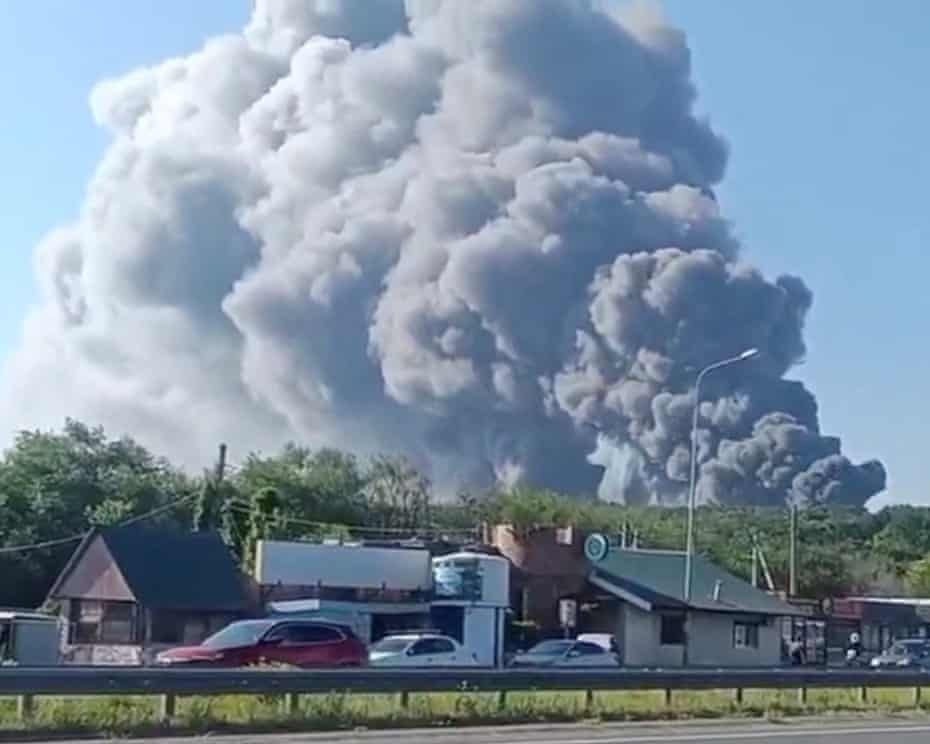
Ukrainian drones attacked another Wildberries warehouse attack, hitting a logistics facility in Russia’s Samara region, approximately 800 kilometres from Ukraine’s most advanced frontline military positions.
Samara Governor Vyacheslav Fedorishchev confirmed the attack triggered a fire but said emergency services quickly responded while reporting no casualties from the warehouse incident.
Wildberries later announced that another fire broke out at a separate logistics centre in Russia’s Vladimir region following another drone attack.
The company said employees were safely evacuated before firefighters moved in to battle the flames and prevent the fire from spreading across the facility.
Ukraine has repeatedly targeted Wildberries facilities since mid-July, aiming to disrupt operations at Russia’s largest online retailer, which plays a significant role in the country’s consumer economy.
The continued attacks suggest Kyiv increasingly views commercial logistics networks as strategically important in weakening Russia’s domestic supply and distribution capabilities.
Deadly attacks claim lives on both sides
Russian officials said Ukrainian drone attacks killed at least nine people across several regions, including Udmurtia, Belgorod and Saratov, where residential buildings also suffered significant damage.
Authorities in Belgorod reported that a Ukrainian drone exploded near a playground, killing a child and injuring two other people during the latest cross-border drone attacks.
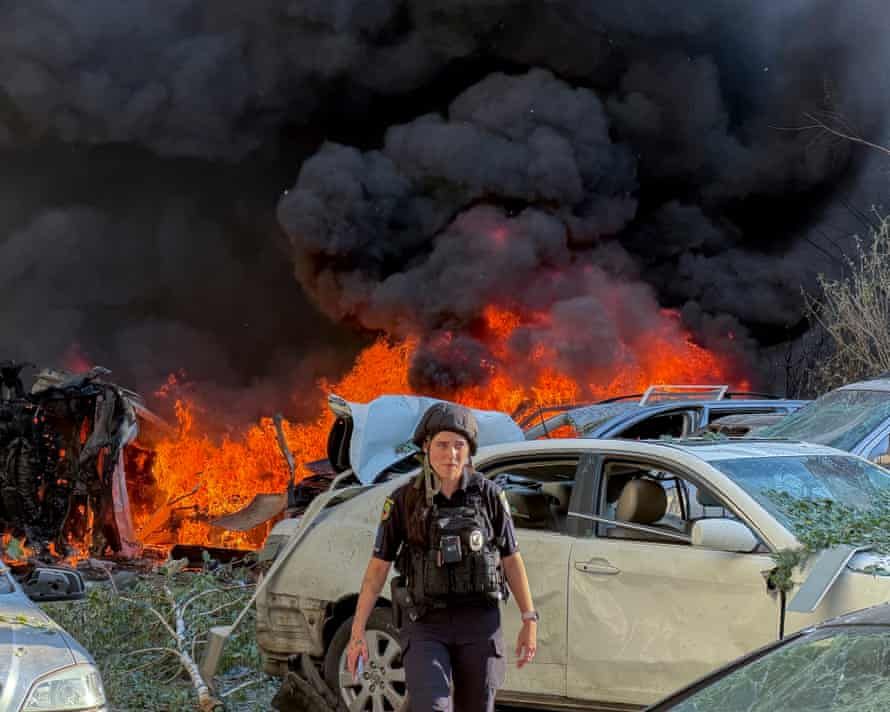
Meanwhile, Russian strikes killed at least five people across Ukraine, including civilians in Dnipropetrovsk, Zaporizhzhia, Kherson and Kharkiv regions.
Ukraine’s postal operator Nova Poshta confirmed one employee died after a Russian strike destroyed one of its logistics terminals in the Kharkiv region.
Ukraine’s military also announced successful strikes against the Saratov oil refinery, the Engels military airbase and an oil depot in Russia’s Kaluga region.
Russia’s Defence Ministry responded by saying its forces struck military infrastructure, port facilities and vessels transporting military supplies near the Ukrainian city of Mykolaiv.

Europe tightens pressure on Russia
Beyond the battlefield, European authorities intensified pressure on Moscow by intercepting another tanker linked to Russia’s so-called shadow fleet operating under international sanctions.
Italy-led naval forces boarded the EU shadow fleet tanker Toa Payoh west of Sicily as the vessel travelled from Benin toward Istanbul under a recently changed registry.
European officials believe Russia has increasingly relied on such vessels to transport oil while attempting to bypass sanctions imposed after the invasion of Ukraine.
The boarding operation marked the second interception of a sanctioned tanker within two weeks as European governments strengthened enforcement against suspected sanctions evasion.
Security analysts say disrupting these maritime networks could further reduce Russia’s ability to finance military operations through continued energy exports.
The latest operation reflects growing cooperation among European nations seeking stricter implementation of sanctions targeting Russia’s international trade and shipping activities.
Conflict enters another dangerous phase
The continuing Russia Ukraine war has increasingly expanded beyond frontline battles into attacks on economic infrastructure, logistics centres, energy facilities and civilian communities across both countries.
Military experts believe both Moscow and Kyiv are attempting to weaken each other’s economic resilience while reducing their opponent’s ability to sustain prolonged military operations.
Repeated drone attacks deep inside Russian territory demonstrate Ukraine’s expanding long-range strike capabilities and willingness to target strategic commercial infrastructure.
At the same time, Russian missile and drone strikes continue causing civilian casualties and widespread destruction across several Ukrainian regions almost every day.
Read also:Greece wildfire helicopter crash kills crew as Europe battles blazes
Neither side has indicated any immediate willingness to reduce military operations, suggesting the conflict may continue intensifying despite mounting humanitarian and economic consequences.
As Ukraine Wildberries drone strikes continue alongside Russian bombardments, civilians remain caught between relentless attacks while international efforts to end the devastating conflict show little sign of immediate success.