The UK distances itself from Iran war as Prime Minister Keir Starmer confirmed Britain would not take part in US-Israeli strikes, even while allowing American forces to use British military bases.
The position places London in a careful middle ground, balancing alliance commitments with legal and political restraint, as tensions with Iran escalate following regional attacks and missile launches.
The UK distances itself from Iran war at a moment of heightened instability across the Middle East, with officials stressing that Britain is “not at war with Iran” despite a drone striking the runway at RAF Akrotiri in Cyprus.
Ministers insist Britain’s posture remains defensive, rooted in international law and focused on protecting personnel rather than pursuing “regime change from the skies”.

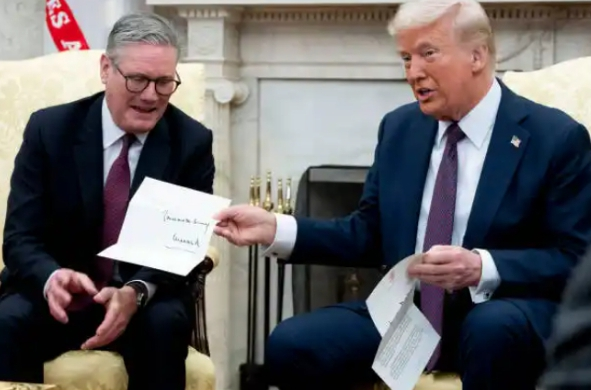
Responding to criticism from Donald Trump, who said he was “very disappointed”, Sir Keir argued that it was his “duty to judge what is in Britain’s national interest”. He rejected claims that refusing direct participation weakened the UK’s global standing, saying the legality of military action is not optional when British service members’ lives are at risk.
In interviews and parliamentary statements, Starmer repeatedly referenced the lessons of Iraq, stating that past conflicts demonstrated the dangers of entering wars without a clear legal basis or exit strategy.
The UK distances itself from Iran war, he said, precisely to avoid repeating mistakes that eroded public trust and destabilised regions for decades.
Trump claimed Starmer “took far too long” to approve the use of British bases such as the Chagos Islands, suggesting unprecedented friction between Washington and London. Starmer did not deny the delay but said concerns about legality were valid, stressing that granting basing access is fundamentally different from authorising British strikes.
The distinction has become central to the UK distances itself from Iran war narrative. Britain has allowed logistical and operational support while withholding offensive engagement, a stance that satisfies neither hardline critics nor those calling for complete non-involvement, but one that Downing Street believes is constitutionally and legally sound.
Pressure has mounted from opposition figures who argue that Iran’s actions justify a firmer response. Conservative and Reform politicians accused the prime minister of “humiliating us on the international stage” and failing to stand shoulder to shoulder with allies. Starmer countered that lawful action is not weakness, adding that international credibility depends on consistency with stated principles.
The drone strike at RAF Akrotiri intensified the debate. Defence Secretary John Healey confirmed the damage was minimal and there were no casualties, while two additional unmanned drones were intercepted. Starmer said the attack was “not in retaliation” for Britain’s decision to allow US basing access, noting the drone was launched beforehand.
Iran and its regional proxies have been blamed for what officials describe as “dangerous and indiscriminate attacks”. Yet the UK distances itself from Iran war position remains unchanged, with ministers emphasising defensive air operations and intelligence cooperation rather than direct strikes on Iranian territory.
Beyond military considerations, the crisis has raised fears for British civilians abroad. Around 300,000 Britons are believed to be in countries affected by the conflict, with more than 100,000 registered for Foreign Office updates.
Contingency plans, including potential evacuations, are under review as the situation evolves.
Economic repercussions have also been swift. Oil and gas prices spiked after attacks near the Strait of Hormuz, a chokepoint carrying roughly a fifth of global seaborne oil.
Brent crude surged above $80 a barrel before easing, prompting questions in Parliament about energy security and household bills.
Starmer told MPs the government was working with allies to “maximise oil supplies” and ensure energy prices remain affordable. He acknowledged the risk of prolonged disruption but said contingency arrangements were in place to protect consumers and industry from the worst shocks.
Within the Labour Party, the UK distances itself from Iran war approach has strengthened Starmer’s position. MPs praised his emphasis on international law and parliamentary oversight, with several noting that offensive action would require a Commons vote. The show of unity contrasted with recent internal tensions and leadership speculation.
Labour figures argued that standing up to Trump’s criticism demonstrated independence and maturity, framing the decision as evidence of responsible leadership in uncertain times.
For many on the government benches, refusing to be drawn into a wider war reinforced the party’s post-Iraq commitment to caution.
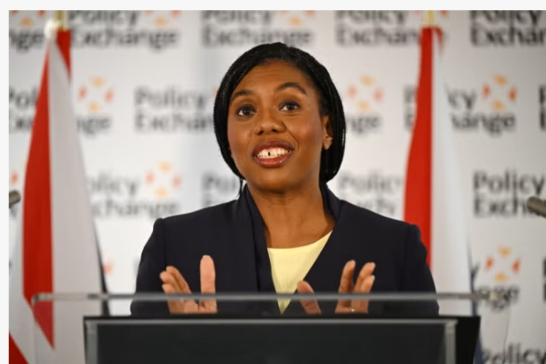
Critics, however, see electoral calculation behind the stance. Conservative leader Kemi Badenoch claimed Labour was avoiding alienating voters “swayed by conflicts in the Middle East”, dismissing the legal argument as “pure, partisan, political calculations”. Starmer rejected the accusation outright.
Former ministers also weighed in, disputing comparisons with Iraq and urging a more assertive response to protect allies in the Gulf. Starmer replied that learning lessons from history does not mean repeating it, and that no plans existed for ground troops or a land invasion.
The UK distances itself from Iran war line has also shaped Britain’s diplomatic messaging. Officials continue to engage with Washington, European partners, and regional governments, urging de-escalation while reaffirming commitments to collective defence where lawful and necessary.
Starmer has been clear that Britain will act to defend its bases, personnel, and allies, but only within a framework that respects international law.
“This government does not believe in regime change from the skies,” he told the Commons, drawing a sharp boundary around the UK’s role.
As missile alerts sound across parts of the Middle East and global markets react nervously, Britain’s calibrated response reflects both caution and constraint. The UK distances itself from Iran war not by retreating from alliances, but by redefining how solidarity is expressed in an era of volatile, fast-moving conflict.
Whether the approach can hold if attacks intensify remains uncertain. For now, Starmer appears determined to maintain a position that prioritises legality, parliamentary accountability, and the safety of British citizens at home and abroad, even as pressure mounts from allies and opponents alike.
Read more here: UK RAF Akrotiri Airbase in Cyprus hit by drone strike as two more UAVs are intercepted
About The Author