Typhoon Kalmaegi bears down on Vietnam, intensifying fears after leaving at least 114 dead in the Philippines, with widespread destruction exposing poor disaster preparedness and chaotic emergency response.
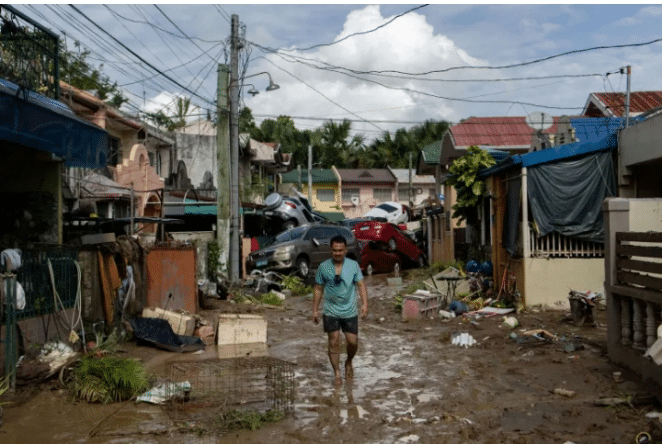
In Cebu, entire communities are submerged in mud and debris, residents returning to destroyed homes, overturned vehicles, and streets blocked, struggling as relief efforts lag behind the escalating disaster.
President Ferdinand Marcos Jr declared a state of emergency, acknowledging the severity of Typhoon Kalmaegi’s devastation, while warning that delayed responses risked leaving thousands stranded amid rising floodwaters and chaos.
The Joint Typhoon Warning Center upgraded Kalmaegi to Category 4, warning Vietnam’s central coast will face catastrophic winds and flooding, highlighting vulnerabilities in infrastructure, evacuation plans, and disaster readiness nationwide.
Vietnamese authorities mobilised thousands of soldiers to evacuate 350,000 people, yet logistical challenges and limited resources could leave hundreds exposed, particularly in low-lying areas threatened by landslides and storm surges.
“The challenge now is debris clearing,” said Raffy Alejandro, senior civil defence official, stressing the urgency of rescue operations as blocked roads and chaotic conditions impede relief efforts in devastated communities.
Scenes of devastation across the Philippines reveal homes destroyed, vehicles swept away, and streets inaccessible, showing the deadly consequences of delayed warning systems and insufficient disaster mitigation planning nationwide.
Typhoon Fung-wong, locally called Uwan, is approaching northern Philippines, threatening to surpass Kalmaegi’s destruction, raising concerns that emergency agencies remain ill-prepared to handle back-to-back catastrophic storms.
Vietnamese authorities are rushing to prepare shelters, stockpile emergency supplies, and warn citizens, but poor infrastructure and past failures suggest that Typhoon Kalmaegi bears down on Vietnam with lethal consequences.
Airports in central Vietnam, including Da Nang International, may face operational shutdowns, leaving stranded travelers vulnerable and compounding logistical chaos as authorities struggle to manage the storm’s impending landfall.
Agricultural production in Vietnam faces severe threats, including damage to coffee plantations and staple crops, illustrating the region’s fragility and insufficient measures to prevent catastrophic economic losses from natural disasters.
International aid agencies are mobilising, yet delays in government coordination and resource distribution risk compounding the humanitarian crisis caused by Typhoon Kalmaegi, leaving affected populations exposed to extreme conditions.
Climate experts warn storms like Typhoon Kalmaegi are worsening due to climate change, with Southeast Asia increasingly vulnerable, highlighting inadequate infrastructure, unprepared communities, and governmental failure to mitigate disaster risk.
Rescue teams in the Philippines continue searching for missing people, but roads blocked with debris and overflowing rivers hinder timely access, leaving thousands exposed to preventable deaths amid chaos.
Residents in both the Philippines and Vietnam face unprecedented dangers, balancing evacuation, survival, and property salvage, while authorities scramble to coordinate responses, often falling short in delivering urgent assistance.
Typhoon Kalmaegi bears down on Vietnam, threatening lives, infrastructure, and livelihoods, exposing weaknesses in disaster management and leaving citizens reliant on under-resourced authorities amid unpredictable and destructive weather.
Authorities emphasize that timely evacuations, disaster planning, and public compliance remain critical, yet past failures in warning dissemination and infrastructure maintenance undermine confidence in effective response to Kalmaegi.
In the Philippines, communities document damage and salvage essentials while awaiting assistance, demonstrating resilience, but also highlighting governmental failure to prevent large-scale human suffering during Typhoon Kalmaegi’s rampage.
The storm’s speed and intensity caught many residents off guard despite early warnings, revealing inadequacies in emergency communication, evacuation procedures, and public awareness programs critical for survival during severe typhoons.
Typhoon Kalmaegi bears down on Vietnam, with central provinces bracing for flooding, landslides, and wind damage, while authorities scramble to implement evacuation plans under immense pressure and limited resources.
Recovery operations in the Philippines remain slow, leaving survivors vulnerable, while Vietnam’s citizens face imminent danger as Typhoon Kalmaegi threatens to repeat, or exceed, the death and destruction seen across the Philippines.
Officials urge citizens to comply strictly with evacuation orders, remain indoors, and avoid travel, but skepticism persists as past failures undermine public trust in disaster management and government readiness.
Typhoon Kalmaegi bears down on Vietnam with destructive force, testing infrastructure, emergency services, and community resilience, as authorities struggle to prevent repeat tragedies in a region repeatedly hit by natural disasters.
Disaster experts warn that without immediate intervention, thousands will face preventable deaths, property loss, and prolonged disruption, showing that Typhoon Kalmaegi exposes systemic failures in Southeast Asia’s storm preparedness.
Authorities continue mobilising relief teams, pre-positioning supplies, and preparing shelters, but overburdened systems and poor planning underscore the harsh reality: Typhoon Kalmaegi bears down on Vietnam with deadly potential.
As communities brace for impact, Typhoon Kalmaegi bears down on Vietnam, reinforcing the urgent need for stronger disaster planning, better infrastructure, and immediate international support to prevent catastrophic loss.
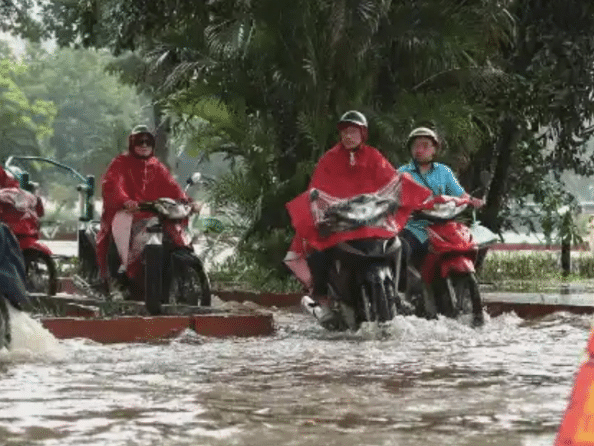
With lives and livelihoods at stake, Typhoon Kalmaegi bears down on Vietnam, exposing governmental shortcomings, infrastructural vulnerabilities, and the human cost of repeated climate disasters, demanding urgent action to save thousands.