The world faces a grave crisis as President Donald Trump orders a US nuclear test resumption, shattering decades of moratoriums and threatening to ignite a dangerous new era of global insecurity.
Russian President Vladimir Putin responded sharply, instructing top officials to draft proposals for potential nuclear testing, warning that Moscow would adopt reciprocal measures if the United States proceeds with its plan.
Security analysts warn that the US nuclear test resumption is reckless and destabilizing, undermining decades of international arms control and threatening to provoke a renewed nuclear arms race.
Trump defended the move by accusing Russia, China, and Pakistan of secretly advancing nuclear programs, framing the resumption as strategic parity, despite the severe environmental and humanitarian risks involved.
Putin convened the Security Council, ordering the Foreign Ministry, Defence Ministry, and intelligence agencies to coordinate responses, assess threats, and submit proposals for nuclear tests at Russia’s discretion.
Moscow has not conducted nuclear detonations since the Soviet Union’s collapse in 1991, relying on restraint to maintain stability, an assumption now shattered by the US nuclear test resumption.
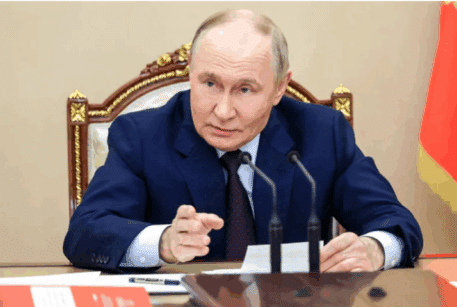
The president’s decision signals a unilateral escalation, a dangerous departure from previous policies that emphasized restraint, diplomacy, and global nuclear stability as essential safeguards.
Defence Minister Andrei Belousov warned that Washington’s actions “significantly raise the level of military threat to Russia,” emphasizing the need to keep nuclear forces ready to inflict unacceptable damage.
Chief of General Staff Valery Gerasimov emphasized that failure to act now could squander opportunities for timely response, leaving Russia exposed to potential US nuclear advances.
Kremlin spokesman Dmitry Peskov confirmed no deadlines for drafting proposals, but Russia will proceed cautiously, ensuring full understanding of US intentions before considering any tests or operational steps.
The United States possesses roughly 5,550 warheads, with approximately 3,800 actively deployed, making the US nuclear test resumption a high-stakes decision that could destabilize decades of carefully maintained deterrence.
Russia holds roughly 5,459 warheads, including 1,600 active, and has vowed that any US test will trigger reciprocal measures, heightening the risks of escalation, miscalculation, or inadvertent confrontation.
China’s nuclear arsenal, now about 600 warheads and rapidly expanding, may accelerate further in response, illustrating that US nuclear test resumption could provoke widespread global proliferation.
Analysts warn that restarting nuclear-explosive tests is likely to prompt similar actions by other nuclear powers, eroding decades of international moratoriums and arms control agreements.
The Center for Arms Control and Non-Proliferation labeled the US nuclear test resumption “destabilizing,” highlighting the potential for a dangerous action-reaction cycle with unpredictable global consequences.
Trump has not clarified whether testing will involve explosive detonations or flight trials, leaving global observers uncertain about the scale, scope, and environmental risks of the resumption.
Historically, nuclear tests have produced severe environmental damage, contaminating air, water, and soil, while exposing populations to radiation—a threat now amplified by the US nuclear test resumption.
The resumption of testing threatens ecological stability, undermining decades of progress in limiting radioactive fallout and demonstrating disregard for the global environmental impact of such actions.
Moratoria such as the 1992 U.S. cessation and the 1996 Comprehensive Nuclear-Test-Ban Treaty were designed to prevent proliferation, now weakened by the president’s unilateral decision to resume nuclear testing.
Russian officials have warned that any American tests will be met with retaliation, potentially including the reactivation of Arctic nuclear testing sites at Novaya Zemlya and other former Soviet facilities.
Security experts emphasize the predictable “action-reaction cycle,” cautioning that US nuclear test resumption could spark a new arms race with catastrophic consequences for global stability.
Andrey Baklitskiy of the UN Institute for Disarmament Research stressed that political posturing rather than security concerns often drives nuclear escalation, with resumption risking human and environmental catastrophe.
Even minor miscalculations during testing, whether accidental or deliberate, could escalate tensions into armed conflict, reinforcing the extreme risk associated with any resumption of nuclear detonations.
Trump’s criticism of Russia’s Burevestnik nuclear-powered missile, while pushing US nuclear test resumption, illustrates selective outrage, eroding trust and fueling resentment among nuclear-armed nations.
Hypocrisy in nuclear policy encourages other states to resume testing, undermining global non-proliferation norms, and heightening the potential for widespread escalation.
Historical precedents from the Cold War show that large stockpiles, like the US peak of over 31,000 warheads, led to environmental devastation and near-global instability, lessons now ignored amid resumption plans.
Regional nuclear tests, including India and Pakistan in 1998 and North Korea since 2006, demonstrate that even limited testing provokes geopolitical tension, confirming analysts’ warnings about renewed arms races.
Environmental groups warn that radioactive fallout from even “limited” tests can spread globally, contaminating ecosystems, water supplies, and human populations, an inevitable consequence of US nuclear test resumption.
International organizations, including the UN, may find enforcement mechanisms weakened, as unilateral action by major powers undermines international law, arms control treaties, and collective security frameworks.
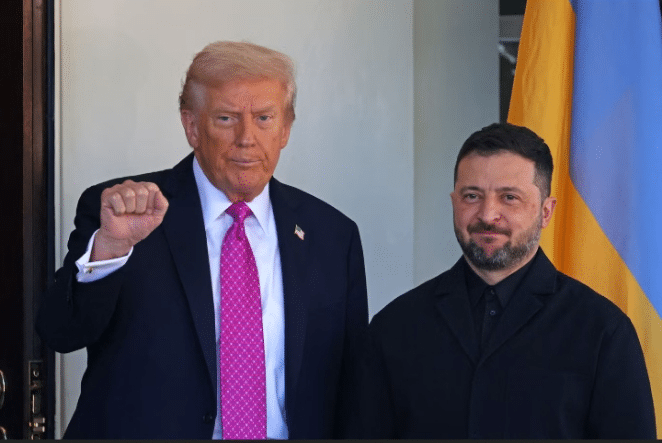
Trump frames the resumption as strategic necessity, but critics insist it is a political maneuver, prioritizing optics over global safety, environmental preservation, and human survival.
The potential for accidents or unintended escalation during testing is high, as even a single misstep could provoke international crises and intensify nuclear competition.
Diplomatic channels are fragile, and Trump’s unilateralism forces other nations into defensive postures, increasing the likelihood of preemptive measures and escalating military readiness worldwide.
Moscow’s promise of “reciprocal measures” underscores the inevitability of escalation; no nation will allow US nuclear test resumption to proceed unchallenged, reinforcing global insecurity.
Civil society, environmental experts, and the scientific community warn that US nuclear test resumption risks human life, ecological integrity, and decades of careful international cooperation on arms control.
Even within the United States, lawmakers caution that resumption may violate international obligations, provoke global condemnation, and erode alliances built on trust, restraint, and diplomatic engagement.
Trump’s rhetoric portrays testing as a demonstration of national strength, but in reality, it increases global instability and elevates the risk of catastrophic miscalculations among nuclear powers.
Ultimately, US nuclear test resumption represents a threat to arms control, environmental protection, and global security, heralding a period of unprecedented anxiety and risk for the international community.
If left unchecked, this policy could encourage Russia, China, and other states to accelerate nuclear development, generating a global environment dominated by fear, retaliation, and proliferation.
Military analysts warn that renewed testing necessitates modernization of warheads and delivery systems, increasing defense spending while diverting funds from social programs, infrastructure, and climate initiatives.
The psychological impact is significant, as populations worldwide face renewed anxiety about nuclear conflict, a tension largely absent since the end of the Cold War but now revived by US nuclear test resumption.
Experts stress that even a single misstep could trigger crises beyond control, highlighting the catastrophic potential of resuming nuclear detonations in today’s geopolitical climate.
Russia, under Putin, is preparing for worst-case scenarios, signaling that any US nuclear test resumption will provoke countermeasures, raising the risk of accidents, miscalculations, and permanent instability.
US nuclear test resumption risks emboldening other states to abandon restraint, accelerate weapons programs, and challenge international norms, further destabilizing a fragile global security architecture.
Trump’s policy, framed as restoring strength, may instead provoke insecurity, environmental hazards, and a new era of global nuclear brinkmanship, leaving behind a legacy of reckless provocation.
The world now faces an ominous precedent, where unilateral nuclear decisions threaten decades of careful diplomacy, collective security, and humanity’s survival.
Nuclear weapons’ destructive capacity makes any misstep in testing potentially catastrophic, underscoring the dire consequences of US nuclear test resumption for regional and global stability.
Observers warn that without restraint, the US actions will provoke retaliation, undermine international treaties, and accelerate a nuclear arms race, leaving the planet dangerously exposed.
Russia’s preparations illustrate that escalation is inevitable, demonstrating that any US nuclear test resumption carries consequences far beyond laboratories, missile ranges, or political symbolism.
The resumption threatens to destabilize security, create environmental risks, and erode decades of arms control, leaving humanity exposed to a renewed cycle of nuclear escalation.
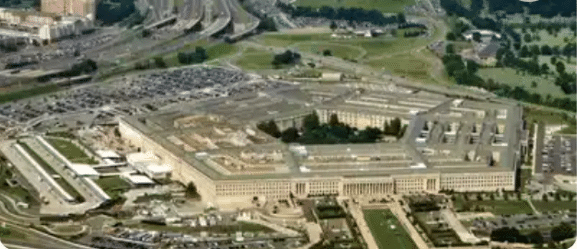
US nuclear test resumption is a reckless gamble, endangering the environment, international law, and human survival, signaling a return to Cold War-style brinkmanship the world cannot afford.
About The Author