
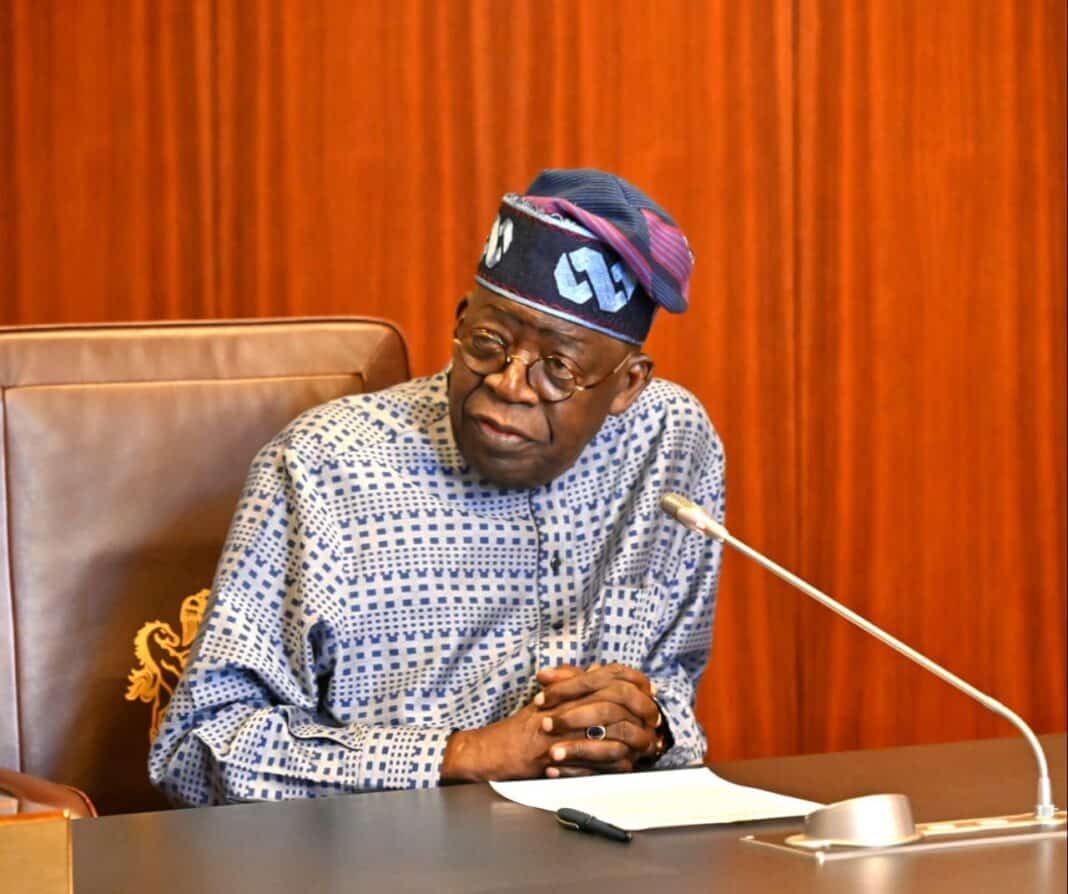

Trump writes President Tinubu in a personal letter responding to the Nigerian leader, saying he “appreciates your decisive leadership on behalf of the Nigerian people” and pledging US support in the fight against terrorism. 🇺🇸🇳🇬
The letter comes as violence against communities in Nigeria and instability across West Africa push the US-Nigeria relationship to the center of regional security strategy.
“I Appreciate Your Decisive Leadership”
Trump’s Response To Tinubu
President Donald Trump addressed President Bola Ahmed Tinubu directly after receiving a letter from the Nigerian president.
“Thank you for your thoughtful letter. Your kind words mean a great deal to me, and I appreciate your decisive leadership on behalf of the Nigerian people. I applaud your resolve to tackle the issues plaguing your nation, especially the violence affecting Christian communities and it is a true honor to stand with you in the fight against terrorists and to make the Federal Republic of Nigeria stronger and more prosperous.”
Trump specifically highlighted the attacks on faith-based communities, an issue the Tinubu administration has repeatedly raised with international partners. The US president framed the partnership as both moral and strategic.
“We both share a mutual goal of confronting terrorism in all its forms, and our historic US-Nigeria 2026 Defence Cooperation Roadmap has established a robust framework to accomplish this feat.”
A New Framework For Security
The 2026 Defence Cooperation Roadmap was referenced as the backbone of the new phase in bilateral ties. According to Trump, the agreement is designed to move beyond training and equipment to intelligence-sharing and joint operations.
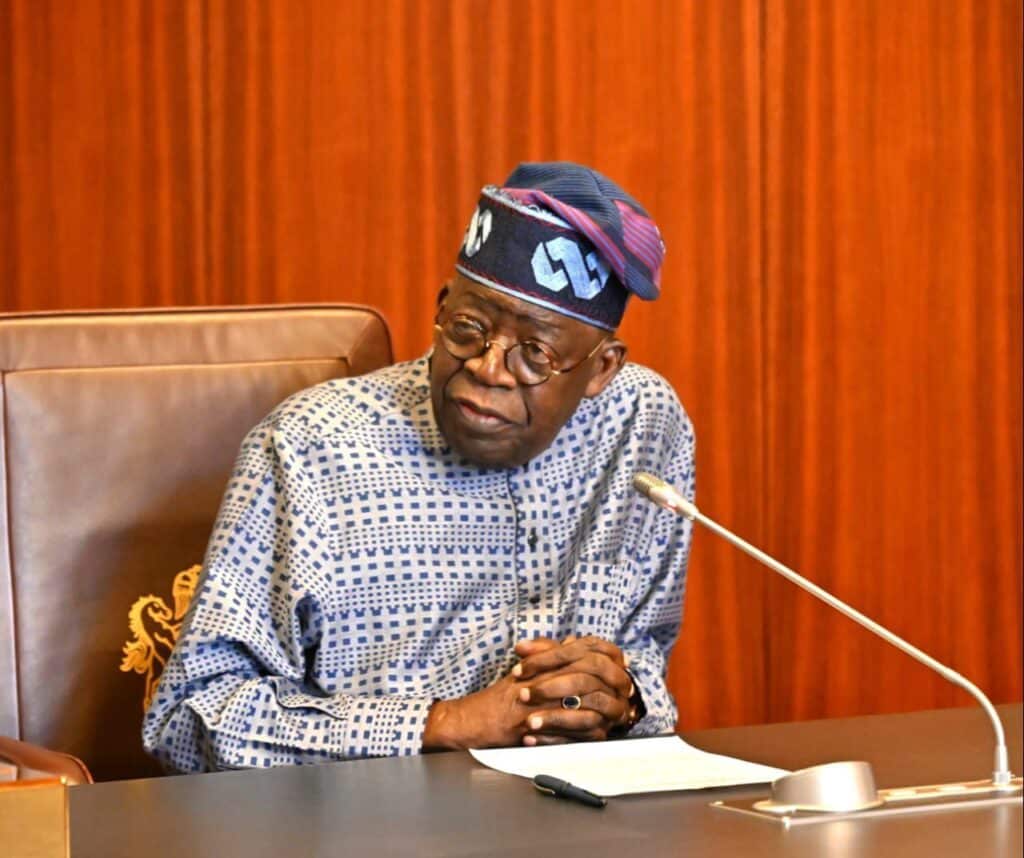
He said the timing is critical as “conflict has spread across West Africa and around the world,” pointing to insurgencies in the Sahel, piracy in the Gulf of Guinea, and cross-border terrorism.
“The United States-Nigeria relationship is crucial at a time where conflict has spread across West Africa and around the world.”
US Special Operations Forces Deployed To Nigeria
“The Most Elite Military Units Anywhere In The World”
In the most concrete part of the letter, Trump confirmed the deployment of US troops to Nigeria.
“I am proud to have deployed the United States Special Operations Forces—among the most elite military units anywhere in the world—to equip the brave men and women in the Armed Forces of Nigeria with the skills, tools and intelligence they need to protect your homeland and ensure the safety and security of citizens, particularly those of faith who have been under attack.”
The deployment signals a shift from advisory roles to direct capability-building. Special Operations Forces are expected to work with Nigerian counterparts on counterterrorism tactics, intelligence fusion, and protection of vulnerable communities.
Trump tied the mission explicitly to civilian safety:
“ensure the safety and security of citizens, particularly those of faith who have been under attack.”
Security analysts note this language mirrors concerns raised by Nigerian religious leaders and US lawmakers about targeted violence in the Middle Belt and northern states.
What The Deployment Means
This is not a combat deployment in the traditional sense. The focus, according to the letter, is on “equip” Nigerian forces. That includes:
- Skills: advanced small-unit tactics, hostage rescue, and border security
- Tools: surveillance equipment, communications, and precision targeting systems
- Intelligence: real-time threat data to preempt attacks on villages and places of worship[ping]
The goal is to strengthen Nigeria’s ability to secure its own territory while reducing the need for larger US footprints in the region.
Why This Letter Matters Now
West Africa At A Tipping Point
West Africa has seen a surge in militant activity in 2026. Coups, insurgencies, and climate-driven conflict have displaced millions. Nigeria, as the region’s largest economy and population, is seen as the anchor state.
Trump’s letter positions the US as standing “with you in the fight against terrorists” rather than leading the fight. That framing matters in Abuja, where sovereignty concerns have sometimes complicated US assistance.
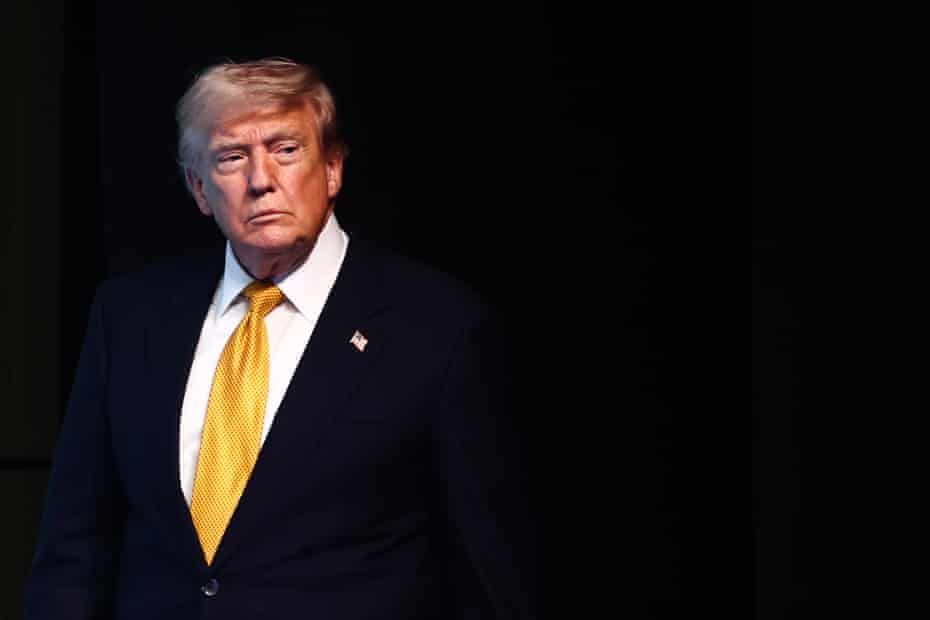
“it is a true honor to stand with you in the fight against terrorists and to make the Federal Republic of Nigeria stronger and more prosperous.”
The Christian Communities Angle
By calling out “the violence affecting Christian communities,” Trump aligned US messaging with a key domestic and international advocacy point. Nigerian officials have argued that attacks on churches and Christian villages are part of a broader terrorist strategy to destabilize the country.
The mention also reflects growing bipartisan pressure in Washington to address religious persecution as part of counterterrorism policy.
Looking Ahead: “Continued Discussions”
Trump closed the letter with a forward-looking note.
“I look forward to our continued discussions over the course of my Presidency.”
That suggests more high-level engagement is planned, potentially including a visit, expanded intelligence cooperation, and economic components tied to the security partnership.
For Tinubu, the letter is both validation and leverage. It shows Washington backing his government’s toughest challenge. It also commits US resources at a time when Nigeria is stretching its military across multiple fronts.
For Trump, the letter reinforces a foreign policy theme: partner with strong leaders, deploy elite forces in support roles, and frame the fight as civilization versus terrorism.
The Bigger Picture
The US-Nigeria relationship has often been defined by trade, oil, and democracy promotion. This letter redefines it around hard security.
With the 2026 Defence Cooperation Roadmap as the framework and Special Operations Forces now on the ground, the partnership is entering its most operational phase yet.
Read also: Trump threatens to bomb Iranian infrastructure as Iran-US war escalates
The test will be results: fewer attacks, safer communities, and a Nigerian military that can sustain gains after US trainers rotate out.
As Trump put it:
“to make the Federal Republic of Nigeria stronger and more prosperous.”
In a region where states are fragile and threats are mobile, that is the benchmark both leaders will be judged on.
About The Author


