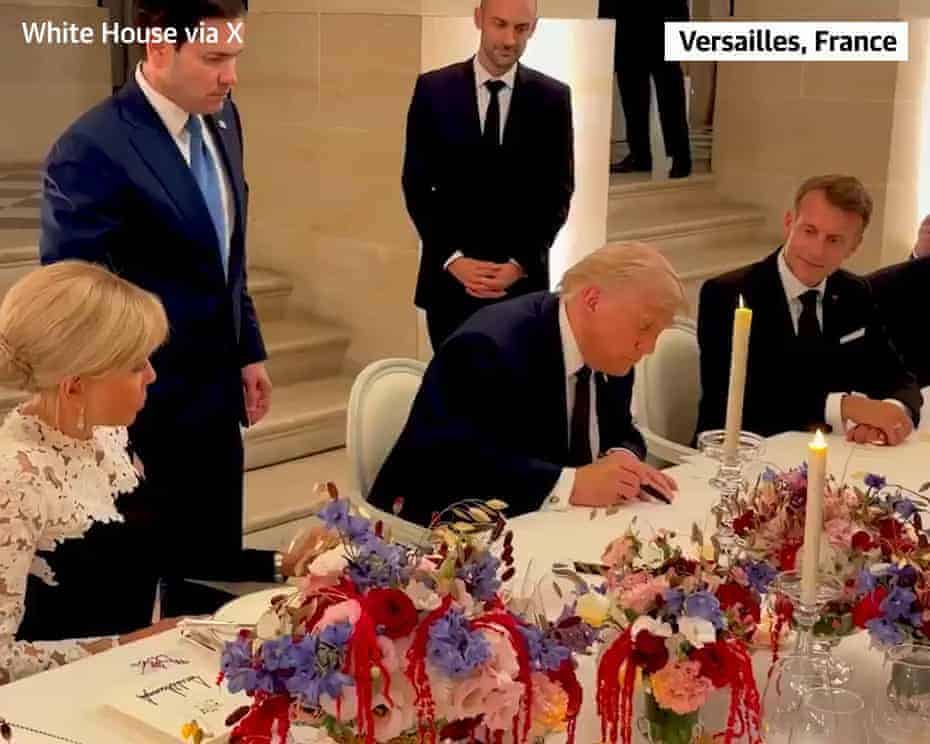
Trump Iran Deal entered a significant new phase after President Donald Trump signed a 14-point peace agreement with Iran aimed at reducing tensions in the Middle East, restoring maritime security and reopening pathways for diplomatic engagement.
According to The Guardian, the agreement is being presented by the White House as a major breakthrough that could help stabilize global markets and prevent further escalation in the region.
The agreement follows months of heightened tensions involving Iran, Israel and the United States, raising hopes that diplomacy may once again take precedence over military confrontation.
The Trump administration argues that the deal provides a framework for economic recovery and regional stability while creating conditions for renewed discussions on Iran’s nuclear programme.
What the Trump Iran Deal Means for the United States and Iran
The Trump Iran Deal represents one of the most ambitious diplomatic initiatives undertaken by the administration in recent years. The agreement outlines commitments designed to reduce military tensions, encourage economic cooperation and create mechanisms for continued negotiations.
For the United States, the deal is intended to secure freedom of navigation through key shipping routes while reducing the risk of further military engagements in the Middle East. For Iran, the agreement offers prospects for economic relief and greater access to international markets.
President Trump defended the accord as a practical solution to a growing crisis, arguing that diplomacy offered a more sustainable path than continued confrontation. He maintained that the agreement would help safeguard global economic interests while creating opportunities for long-term stability.
Key Provisions of the 14-Point Iran Agreement
The 14-point Iran agreement contains several provisions designed to address both immediate and long-term concerns between Washington and Tehran.
One of the central elements involves measures aimed at reducing tensions in strategic waterways, particularly the Strait of Hormuz. The agreement also includes economic provisions intended to ease pressure on Iran’s economy while encouraging compliance with future diplomatic commitments.
The framework seeks to establish confidence-building measures that can support future negotiations on broader security and nuclear-related issues. Supporters argue that these provisions create a foundation for continued engagement, while critics question whether sufficient safeguards have been included.
Sanctions Relief and Frozen Assets
Economic relief remains one of the most closely watched aspects of the agreement. Discussions surrounding sanctions relief and access to frozen assets played a major role in securing Iranian participation.
Supporters believe that providing economic incentives increases the likelihood of compliance and helps create an environment more conducive to future negotiations. Critics, however, argue that economic concessions should be tied to more concrete commitments regarding security and nuclear activities.
The debate reflects longstanding divisions among policymakers over how best to balance diplomatic engagement with strategic pressure.
Strait of Hormuz Reopening
The reopening of the Strait of Hormuz is considered one of the most significant outcomes of the agreement. The waterway serves as a critical route for global energy supplies, and disruptions have historically generated concerns about international trade and economic stability.
The administration views the restoration of normal shipping operations as a major achievement capable of reducing uncertainty in energy markets. Analysts note that improved maritime security could have positive effects on global supply chains and investor confidence.
Nuclear Negotiations Remain a Major Challenge
Despite optimism surrounding the agreement, significant challenges remain. Questions concerning Iran’s nuclear programme continue to represent one of the most complex aspects of future negotiations.
While the current framework focuses on de-escalation and confidence-building measures, many observers believe that lasting success will depend on achieving progress in future nuclear discussions.
Uranium Stockpile Discussions
One of the most sensitive issues involves Iran’s uranium stockpiles and enrichment activities. Negotiators have not yet reached comprehensive agreements on several technical aspects of the nuclear programme.
Experts argue that future talks will need to address verification mechanisms, enrichment limits and transparency measures to ensure long-term confidence among international stakeholders.
Ballistic Missile Concerns
Ballistic missile capabilities remain another contentious issue. Some critics believe that future agreements should include stronger provisions addressing regional security concerns linked to missile development.
Others argue that separating immediate de-escalation efforts from broader security negotiations may improve the chances of achieving incremental diplomatic progress.
Global Reaction to the Trump Iran Peace Agreement
International reaction to the agreement has been mixed. several world leaders welcomed the development as an opportunity to reduce tensions and support regional stability.
French President Emmanuel Macron reportedly described the agreement positively, suggesting that diplomatic engagement offers the best path toward long-term peace. Other governments expressed cautious optimism while emphasizing the importance of implementation and verification.
At the same time, some analysts and policymakers voiced concerns regarding the balance of concessions contained within the agreement. They argue that the success of the framework will ultimately depend on compliance and continued negotiations.
Economic Impact of the US-Iran Ceasefire Deal
The economic implications of the US-Iran ceasefire deal are expected to be substantial. The administration believes the agreement can help reduce uncertainty in global energy markets and strengthen investor confidence.
Improved shipping security through the Strait of Hormuz could contribute to more stable energy prices and reduce concerns about supply disruptions. Businesses and financial markets are likely to monitor implementation closely in the coming months.
Supporters contend that economic stability benefits not only the parties directly involved but also the broader international community. They argue that reduced geopolitical tensions can create a more predictable environment for trade and investment.
What Happens Next After the Trump Iran Deal?
The future of the Trump Iran Deal will depend largely on implementation and follow-up negotiations. Both sides face the challenge of translating commitments into measurable actions while maintaining political support at home.
Diplomatic observers note that peace agreements often encounter obstacles during the implementation phase. Building trust, resolving disputes and maintaining momentum will require sustained engagement from all parties involved.
Read also: US-Iran deal includes $300 billion fund with more than half already committed, source says
While uncertainties remain, supporters view the agreement as an important opportunity to reduce tensions and pursue long-term solutions through diplomacy rather than conflict. Whether the deal ultimately achieves its objectives will become clearer as negotiations continue and the provisions of the agreement begin to take effect.
The coming months will be crucial in determining whether the 14-point framework evolves into a lasting diplomatic breakthrough or serves merely as a temporary pause in a long-running geopolitical dispute.