Mounting US pressure on Ukraine has reached a decisive and unavoidable peak as Washington demands Kyiv accept a controversial settlement that many allies denounce as dangerously lopsided.
American officials delivered blunt warnings in Kyiv, insisting the proposed terms must be accepted immediately or Ukraine will confront an even more punishing arrangement with devastating long-term consequences.
Diplomats present described a tense environment where Washington’s representatives spoke with uncompromising force, portraying delay as unacceptable and signalling their absolute commitment to concluding negotiations rapidly.
The presence of Nato ambassadors provided gravity to the meeting, yet many reportedly reacted with visible frustration at Washington’s unilateral methods and lack of transparent coordination.
European officials repeatedly challenged the American delegation, criticising the coercive tone employed and questioning whether such pressure aligned with established alliance principles emphasising consultation over imposition.
Washington, however, refused to soften its approach, arguing that the battlefield situation demanded swift action and dismissing concerns that abrupt decisions risked undermining regional security commitments.
President Zelenskyy publicly acknowledged that Ukraine faces a defining strategic crossroads, stressing that national dignity and long-term sovereignty are now weighed against the demands of vital allies.
His remarks followed private discussions described by insiders as intense, with American officials emphasising the immense consequences awaiting Ukraine should it attempt to prolong the deliberation period.
The proposal’s territorial provisions quickly emerged as the most volatile element, requiring Ukraine to accept the loss of lands occupied by Russia and additional areas still under Ukrainian control.
These conditions triggered immediate disbelief among several attending diplomats, who warned that rewarding territorial aggression sets a precedent capable of reshaping global security dynamics for years.
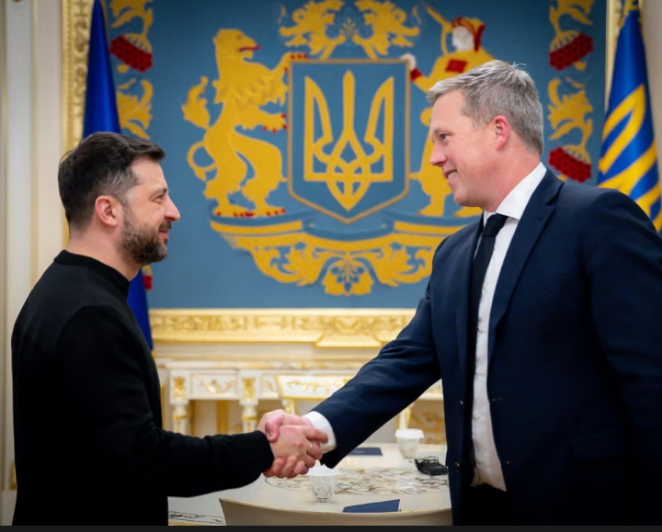
Sources revealed that multiple Nato ambassadors challenged the Americans sharply, warning that forced concessions ultimately embolden adversaries and weaken deterrence frameworks relied upon by democratic states.
Legal experts observing the discussions registered outrage over amnesty provisions that would shield perpetrators of wartime atrocities, undermining essential accountability norms and jeopardising future war-crime prosecution standards.
Yet American officials remained firm, arguing that compromise was unavoidable and suggesting Ukraine’s bargaining position had deteriorated so significantly that tough concessions were now “the only realistic path.”
Washington insisted that time had run out for incremental diplomacy, declaring it would push forward regardless of discomfort among allies or hesitation displayed during ongoing Zelenskyy negotiations.
European diplomats countered that such rigidity destabilises unity, accusing Washington of sidelining partners and pursuing an agenda shaped more by political timelines than durable strategic reasoning.
Pressure intensified further when reports confirmed that core components of the Trump peace plan were drafted through back-channel coordination with Kremlin adviser Kirill Dmitriev.
This revelation infuriated several officials who argued that Russia talks conducted without allied oversight jeopardised the integrity of the entire negotiation architecture, raising doubts about impartiality.
Moscow’s immediate endorsement of the draft only amplified concerns, as Putin described it as a viable basis for settlement—prompting fears the agreement overly accommodates Kremlin objectives.
European security analysts warned that Moscow’s enthusiasm signals a dangerous imbalance, suggesting the document may structurally favour Russian interests at the expense of Ukraine’s territorial integrity.
Ukrainian military figures were reportedly stunned by the terms, insisting battlefield resilience should not be dismissed in favour of hurried political arrangements driven by foreign political pressures.
They argued Ukraine’s defence achievements deserve reinforcement, not abandonment through concessions that contradict sacrifices made by soldiers who withstood sustained Russian assaults for over a decade.
Despite these objections, American envoys presented the deal as final, indicating that revisions would be minimal and Ukraine should accept the plan without expecting meaningful modification.
This hardened position fuelled widespread perception that US pressure on Ukraine is no longer diplomatic persuasion but strategic coercion aimed at forcing immediate capitulation.
Reports indicated that Ukrainian officials pleaded for greater clarity and additional time, but Washington rejected such requests, claiming delay would only strengthen Russian negotiating leverage.
European representatives openly criticised the rush, calling it “reckless” and warning that peace achieved through intimidation rapidly collapses, creating deeper instability and future conflict potential.
Several diplomats also voiced concern that bypassing established alliance mechanisms undermines Nato’s credibility, suggesting future cooperation may weaken under continued unilateral decision-making.
The American delegation countered by asserting leadership requires decisive action, dismissing objections as unnecessary complications obstructing what they described as “historic progress toward ending the conflict.”
In Kyiv, public unease grows as citizens fear the agreement could formalise territorial losses and erode national sovereignty, fundamentally altering Ukraine’s future geopolitical standing.
Zelenskyy acknowledged this fear directly, declaring Ukraine must evaluate the proposal with clear eyes, recognising both the severity of its implications and the limitations imposed by international realities.
Political analysts noted that the situation places unprecedented strain on Ukraine’s leadership, forcing decisions shaped by external pressure rather than exclusively national strategic planning.
Critics of Washington’s approach argued the strategy prioritises rapid results over fair outcomes, risking long-term instability in pursuit of a politically advantageous diplomatic victory.
Observers warned that implementing such a deal could embolden adversaries globally, signalling that territorial conquest eventually earns formal recognition when major powers pursue expedient solutions.
Ukrainian officials cautioned that any agreement ignoring security guarantees or accountability mechanisms is inherently unstable, likely to collapse and invite renewed hostilities from Russia.
Questions also surround verification procedures, with experts warning that Russia’s history of violating international commitments makes enforcement essential but insufficiently defined within the current framework.
Despite widespread concern, momentum continues building as Washington pushes aggressively to finalise the document before its politically driven deadline, emphasising urgency above all else.
Allies fear the accelerated schedule is motivated less by strategic necessity and more by domestic American political priorities connected to holiday-period symbolism and administrative optics.
Meanwhile, Russia positions itself to capitalise on diplomatic turmoil, using favourable public statements from Putin to influence perceptions and increase pressure on Kyiv to comply.
Analysts remarked that Moscow’s approval exposes the asymmetry of the deal, highlighting structural elements that likely benefit Russian long-term territorial and strategic ambitions.
With the region watching closely, Ukraine remains trapped between its foundational principles and the intensifying effects of US pressure on Ukraine, each option carrying historic consequences.
European officials privately acknowledged the weight of the decision confronting Kyiv, describing the situation as a pivotal moment that could redefine alliances and reshape regional security architecture.
They warned that Ukrainian acceptance under duress risks undermining democratic legitimacy, weakening resilience, and fracturing domestic unity at a moment of profound national vulnerability.
Despite continuous appeals, Washington has shown no willingness to reconsider its timetable, insisting the agreement must be concluded swiftly and without renegotiation of core elements.
The atmosphere across Kyiv remains charged, as political leaders brace for decisions that could determine the nation’s trajectory and influence global perceptions of Western reliability.
Observers agree the coming days will determine whether Ukraine submits to immense external pressure or attempts to resist despite severe diplomatic consequences and uncertain international support.
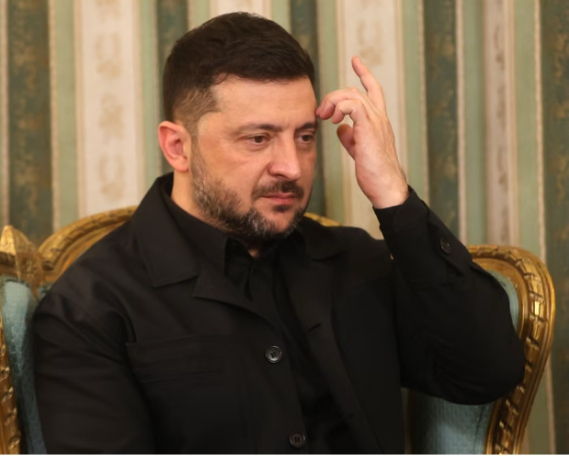
For now, the crisis intensifies, shaped by unrelenting US pressure on Ukraine, deepening allied fracture, and the looming prospect of a peace deal capable of redefining the European order.
About The Author