Europe is scrambling to respond to the US plan for Ukraine, which caught many leaders off guard and is forcing immediate diplomatic recalibration across the continent.
European Council President António Costa warned bluntly, “we are not giving up. We will continue to support Ukraine. Only Ukraine can define when the conditions are met.”
At the Munich Security Conference, Costa emphasized, “Assuming concessions before any negotiation is a huge mistake,” signaling Europe’s insistence on principled negotiations rather than rushed agreements.
Ursula von der Leyen stressed Europe’s resolve, saying, “We are ready, together with you, to defend democracy. You cannot change borders with force under any circumstances.”
Zelenskyy, speaking in his nightly address, said, “Ukraine needs peace. A real peace, a dignified peace, with terms that respect our independence and sovereignty.”
European leaders expressed concern over the Trump peace proposal, describing it as rushed, while Germany’s Johann Wadephul called it “not a real plan, simply a list of topics.”
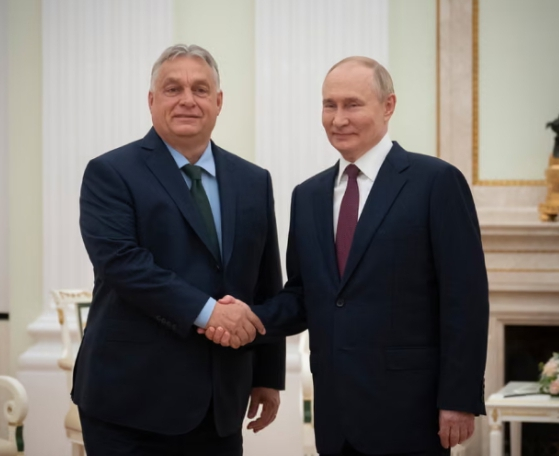
Hungary’s Viktor Orbán praised the initiative, saying, “Trump’s proposal has gained new momentum. The next two or three weeks will be crucial for negotiations.”
Keir Starmer described Europe’s moment as “once in a generation,” emphasizing the need for unity and decisive action to ensure a lasting peace in Ukraine.
Costa reaffirmed that only Ukraine can define the start of negotiations, stating, “There will be no credible and successful negotiations without Ukraine and the European Union.”
Von der Leyen proposed the “ReArm Europe” package, aiming to mobilize €800 billion for joint European defense, emphasizing strength as essential to supporting diplomatic efforts.
Costa highlighted security guarantees, saying, “Peace cannot be a simple ceasefire. It must ensure Russia ceases to be a threat to international security.”
The Russian‑Ukrainian conflict continues to dominate European discussions as countries weigh support for Ukraine against maintaining long-term continental stability.
Zelenskyy’s team stressed that Ukraine must be fully involved, warning, “Only Ukraine can define when the conditions are met to start negotiations and secure a dignified peace.”
European analysts cautioned that a hasty US-led deal could undercut Ukraine’s sovereignty and territorial integrity, which remains non-negotiable in Zelenskyy’s addresses.
Trump’s peace proposal has polarized Europe, with some leaders praising momentum while others criticize its potential to disrupt alliances and undermine Ukrainian security.
Costa repeatedly emphasized that Europe must maintain a unified, principled stance, saying, “We will continue to work on ensuring a lasting peace for Ukraine and Europe.”
Von der Leyen explained that defense investments and diplomatic measures are intertwined, warning that Europe must strengthen both to achieve credible peace negotiations.
Zelenskyy confirmed ongoing talks with both US and EU teams, stating, “We agreed that our teams will work on these proposals to secure a real and dignified peace.”
The next two to three weeks are critical, according to Orbán, as European leaders coordinate urgent meetings to align on negotiation strategies and maintain unity.
Keir Starmer stressed the need for a credible US backstop to guarantee security, emphasizing deterrence as essential for any sustainable peace in the region.
European leaders are balancing public perception, legitimacy, and strategic interest, recognizing that imposed agreements risk eroding trust in Ukraine and among EU member states.
Costa reiterated the importance of principled negotiation, warning, “Assuming concessions before any negotiation is a huge mistake. Only a fair process can yield a lasting peace.”
Von der Leyen insisted that Europe must step up to defend democratic values while supporting Ukraine, ensuring that diplomacy is backed by tangible security measures.
Zelenskyy and his advisers continue to monitor proposals carefully, emphasizing that any compromise must preserve Ukrainian sovereignty, dignity, and the long-term security of the nation.
The Trump peace proposal’s momentum may offer opportunities, but European caution reflects concern over potential unintended consequences that could destabilize the continent.
Costa and other leaders have committed to special European Council meetings to coordinate positions and ensure a united response to ongoing US and Russian diplomatic initiatives.
Europe’s focus remains on combining diplomacy, defense, and solidarity with Ukraine to create conditions for a durable, just, and internationally respected peace agreement.
Zelenskyy continues to negotiate firmly, stating, “Ukraine’s independence, sovereignty, and dignity are non-negotiable. Any peace must reflect these principles, or it is not a real peace.”
The US plan for Ukraine, alongside the Trump peace proposal, challenges Europe to act decisively while safeguarding Ukrainian interests and maintaining continental unity in an unpredictable conflict.
European leaders, analysts, and diplomats recognize that the Russian‑Ukrainian conflict’s resolution will define security and political stability for years, highlighting the stakes for all parties involved.
In these critical weeks, Zelenskyy negotiations and European Union response efforts will determine whether diplomatic engagement can prevent further escalation and secure a durable peace.
The European Union response demonstrates the continent’s commitment to principle, strength, and cooperation, signaling that Ukraine’s sovereignty remains central to international diplomacy.

Von der Leyen concluded, “This is a moment for Europe. We are ready to step up, defend our values, and ensure Ukraine receives the support it needs.”
Zelenskyy emphasized in closing, “Ukraine seeks dignity, independence, and security. Negotiations must reflect these realities, not shortcuts or externally imposed compromises.”
The coming weeks will test both Europe and the US plan for Ukraine, with the Russian‑Ukrainian conflict underscoring the necessity of careful diplomacy and strong collective action.
About The Author