

Donald Trump imposes fresh tariffs on more than 80 countries to replace a 10% global duty set to expire Friday. The move follows a US supreme court decision that declared many earlier levies illegal.
The new rates range from 10% to 12.5% and target allies including the UK, Mexico, Canada, Australia, India, China and the EU. The announcement came late Thursday from US Trade Representative Jamieson Greer.
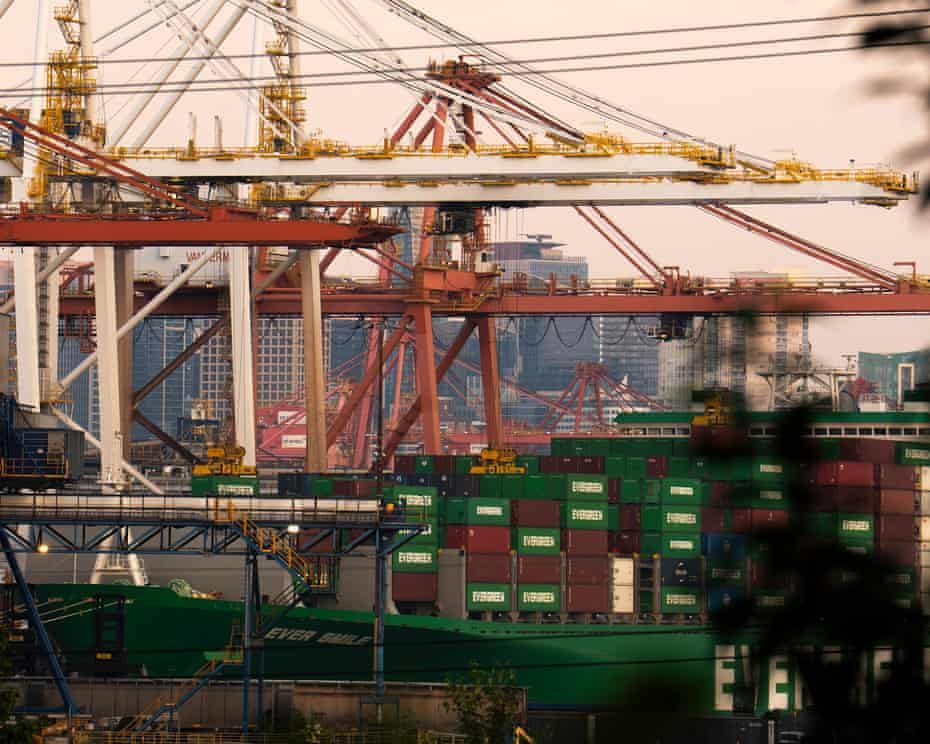
Why The White House Invoked Forced Labor Law
Greer said the tariffs fall under section 301 of the Trade Act of 1974, aimed at countries engaging in forced labor. He called it overdue enforcement of a century-old import ban.
“The United States has had a forced labor import ban for nearly a century, and rigorously enforces it,” Greer said. “It’s well past time for our trading partners to do the same.”
Trump has long called tariffs his favorite tool. “Tariff is the most beautiful word in the dictionary,” he has said repeatedly, framing them as protection for American jobs and manufacturing.
Legal Questions Over Presidential Authority
Only Congress can levy taxes under the constitution. Last April Trump used emergency powers for a 10% baseline tariff, but in February the supreme court ruled 6-3 that peacetime tariffs belong to Congress.
He then switched to an unused law for 150 days. That authority expired a minute past midnight Friday. Now section 301 is the new basis, which Brookings notes has been used sparingly.
Alan Wolff of the Peterson Institute warned the move may not hold. “The answer is no: Congress did not delegate authority of such breadth to the president,” he wrote Thursday.
“If they were challenged in court, the supreme court would likely overturn them,” Wolff added, calling it another case of presidential overreach on trade policy.
Global Backlash And Allies Push Back
Australia and Brazil called the tariffs unjustified and said they would seek removal. Norway’s foreign minister said there was no basis for the new duties under trade rules.
EU foreign policy chief Kaja Kallas said the bloc would seek clarification from Washington. “The bloc had honoured commitments under a transatlantic trade agreement reached last year,” she noted.
Canada responded immediately. “Canada should not be targeted,” officials said, citing its record against forced labor imports. They urged a multilateral approach instead of unilateral US action.
“If the intent is truly to address forced labour, the focus should be a coordinated approach through a multilateral mechanism,” said Matthew Holmes of the Canadian chamber of commerce.
Holmes also questioned timing. “The timing of this is somewhat suspect as previous rounds of tariffs sunset,” he said in a statement responding to the late-night announcement.
Impact On US Consumers And Politics
A Harris Poll for the Guardian found seven in 10 Americans paid higher prices because of Trump’s tariffs. 72% said the policy had a negative impact on consumers.
The sentiment crossed party lines. 64% of Republican voters agreed tariffs raised prices, and 60% said they had a negative effect overall ahead of November midterms.
Inflation has added pressure. Energy costs spiked due to Middle East conflict, pushing overall inflation to a three-year high in May despite core inflation falling to 2.6% year on year.
Greer defended the policy before senators Wednesday. Asked by Elizabeth Warren if tariffs raised prices, he answered: “No.” He credited lower core inflation since January 2025.
“Core inflation fell to 2.6% year on year, much better than in January 2025,” Greer said. Overall inflation remains slightly above levels when Joe Biden left office.
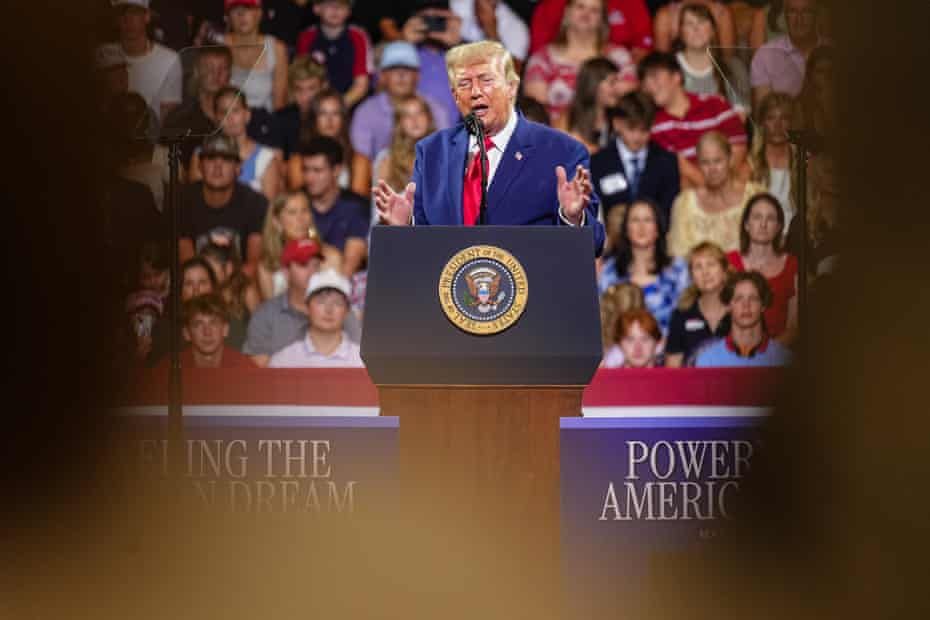
How Section 301 Changes The Trade Fight
Section 301 allows retaliation against unfair trade practices. Previous administrations used it narrowly, mainly against China. Trump’s expansion to 80+ countries marks a major escalation.
The administration argues partners must match US forced labor standards. Greer said he was “encouraged by trading partners who have moved quickly to adopt forced labor import prohibitions.”
Critics say the justification is thin. They argue the law is being stretched to cover broad trade deficits, not specific labor violations documented by customs enforcement.
Trade lawyers expect lawsuits within weeks. Importers and foreign governments are already preparing challenges that cite the supreme court’s February ruling on executive limits.
What Happens Next For Businesses
Companies face new costs starting this weekend. Retailers, manufacturers and farmers in targeted countries must now pay the higher rate or seek exemptions through USTR.
Supply chains will adjust fast. Some firms may reroute through third countries, but customs enforcement is expected to tighten to prevent circumvention of the new rules.
US exporters also worry about retaliation. The EU, Canada and others have signaled they may impose counter-tariffs if negotiations do not produce a quick resolution.
Markets reacted with caution Friday morning. Equities slipped while the dollar strengthened as investors priced in uncertainty around legal challenges and potential trade war escalation.
Political Stakes Heading Into Midterms
Republicans are split. Some back Trump’s hard line on trade, while others in export states fear lost markets. Democrats are using price data to attack the policy on the campaign trail.
Read also: Trump:”I’m weighing a massive attack on Iran” as oil tops $100
Trump insists the strategy works. His administration claims tariffs protect workers and reduce deficits, even as polling shows voters blame them for higher costs at the grocery store.
The White House says more countries may join forced labor agreements soon. Greer expressed optimism that pressure will force reforms without a prolonged dispute.
For now, the tariffs stand. But with court challenges likely and allies angry, Trump imposes fresh tariffs into a legal and diplomatic minefield that could define his trade legacy. 🇺🇸
About The Author


