

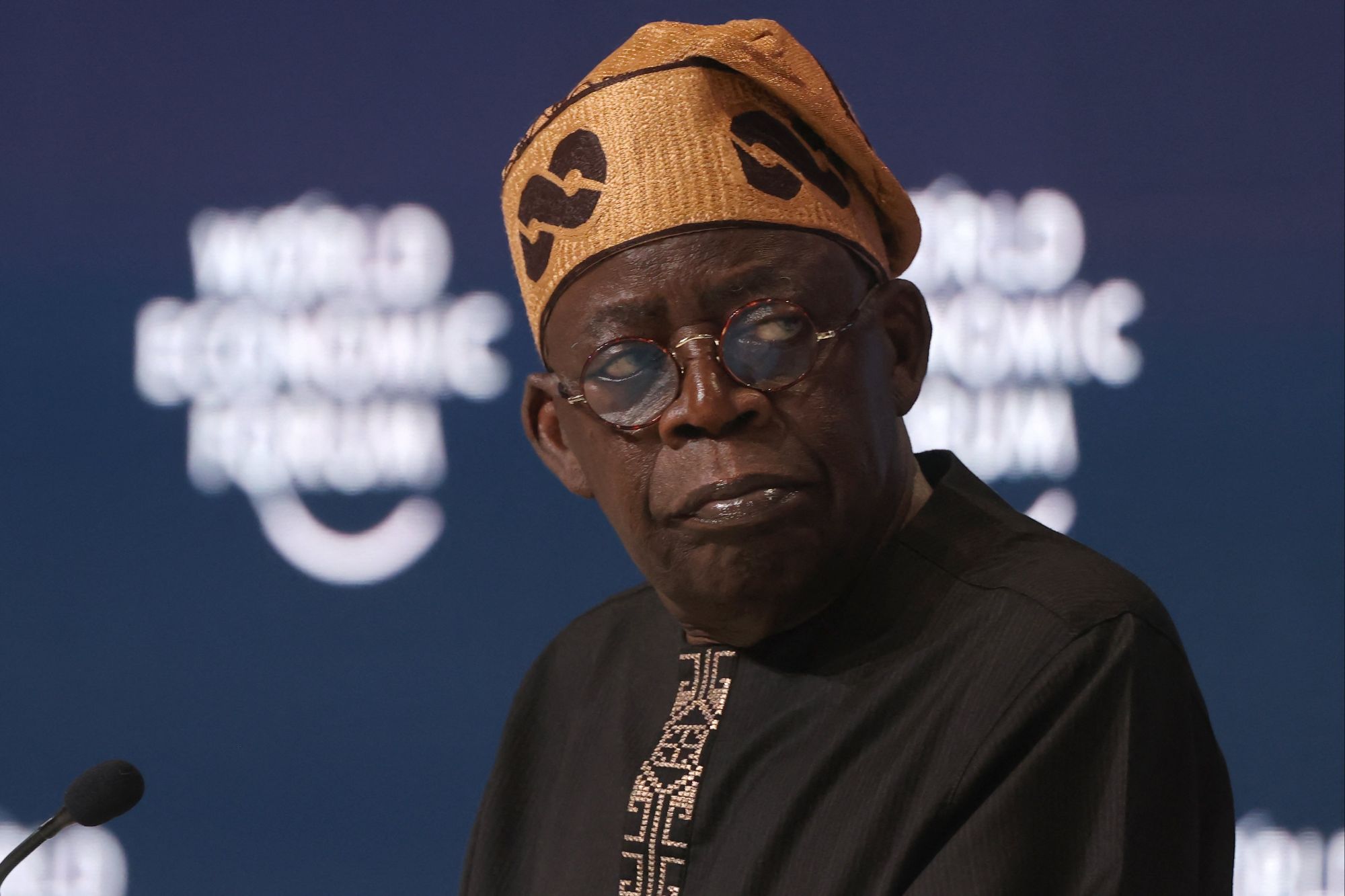
Tinubu reshuffles cabinet, replaces finance and housing ministers amid economic pressure
Nigeria’s President Bola Tinubu has removed Finance Minister Wale Edun and Housing Minister Ahmed Dangiwa in a cabinet reshuffle that comes as Africa’s largest economy grapples with high inflation, currency volatility and mounting fiscal pressures.
The changes, announced in a memo from the Office of the Secretary to the Government of the Federation, George Akume, also named tax policy expert Taiwo Oyedele as the new Minister of Finance and Coordinating Minister of the Economy.
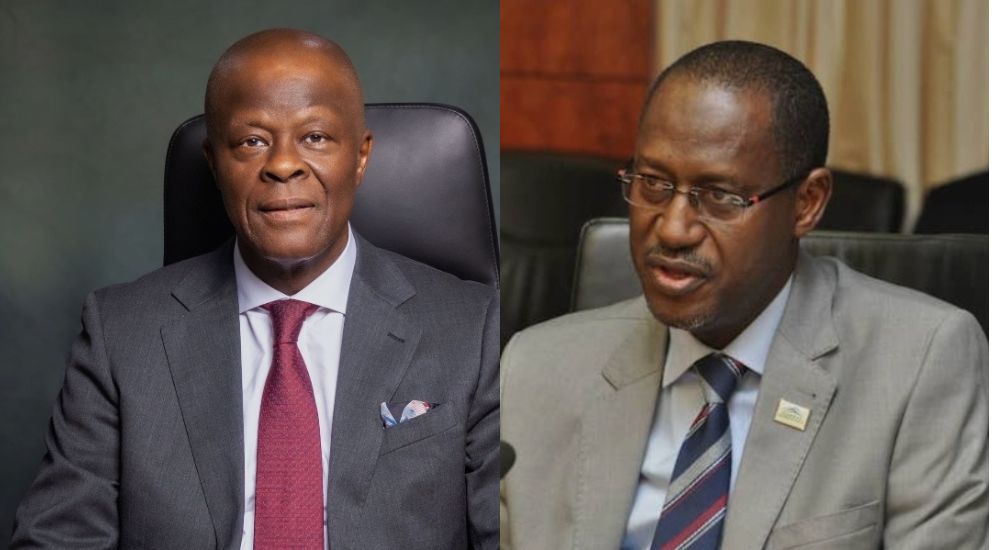
Officials said the move was aimed at strengthening coordination and improving policy delivery under the administration’s “Renewed Hope Agenda”, with outgoing ministers directed to complete handovers by April 23.
Reshuffle comes amid inflation, FX pressure
The leadership change at the finance ministry comes at a delicate moment for Nigeria’s economy.
Inflation stood above 30% in early 2026, one of the highest levels in decades, while the naira has faced persistent volatility following foreign exchange reforms introduced in 2023.
The country also continues to contend with elevated debt servicing costs, with a significant portion of government revenue allocated to debt obligations in recent fiscal cycles.
Analysts say the timing of the reshuffle suggests a recalibration of economic management rather than a departure from existing reforms.
“This looks like a strategic adjustment within the same reform framework,” analysts at a Lagos-based investment advisory firm said.
“The key issue now is execution consistency, especially around fiscal coordination and FX stability.”
Markets watch for policy continuity signals
While there was no immediate official market reaction, traders and investors are expected to closely monitor the transition for signals on fiscal policy direction, revenue strategy, and exchange rate management.
The removal of a finance minister typically introduces short-term uncertainty, particularly in emerging markets where policy credibility is closely tied to investor confidence.
Nigeria has in recent years sought to attract foreign capital inflows while managing currency pressures, making leadership stability at the finance ministry a key factor for market sentiment.
Background: key figures in the reshuffle
Wale Edun (Outgoing Finance Minister)
Edun, a seasoned economist and long-time ally of President Tinubu, was appointed in 2023 and played a central role in early-stage economic reforms, including subsidy removal adjustments and fiscal restructuring efforts.
His tenure coincided with a period of significant macroeconomic strain, marked by rising inflation, FX instability, and cost-of-living pressures.

Ahmed Dangiwa (Outgoing Housing Minister)
Dangiwa, a former head of the Federal Mortgage Bank, led housing sector reforms aimed at expanding access to affordable homes.
His ministry operated under constraints including limited financing, rapid urbanisation, and a housing deficit estimated in the tens of millions of units.
Taiwo Oyedele (Incoming Finance Minister)
Oyedele, a respected tax expert and former Africa Tax Leader at PwC, previously led Nigeria’s Presidential Fiscal Policy and Tax Reforms Committee.
He has advocated for broadening the tax base, simplifying compliance, and improving revenue efficiency—policies seen as critical to reducing Nigeria’s fiscal deficit without overburdening taxpayers.
Related: CBN, NCC sign pact to combat SIM-related fraud in Nigeria amid rising digital banking risks
Read more: Japan defence export rules overhaul opens global arms market
Why Tinubu’s cabinet reshuffle matters for Nigeria’s economy
Shift toward tax-led fiscal reform
Oyedele’s appointment signals a likely pivot toward tax system efficiency and revenue expansion, rather than reliance on borrowing or ad hoc fiscal measures.
Investor confidence and capital flows
Changes at the finance ministry are closely watched by foreign investors, multilateral institutions, and rating agencies assessing Nigeria’s policy consistency.
Foreign exchange stability at stake
With the naira under pressure, the new finance leadership will play a key role in coordinating fiscal and monetary policy alongside the central bank.
Debt and revenue balancing
Nigeria faces ongoing challenges in balancing debt servicing with development spending, making fiscal discipline and revenue growth critical priorities.
Policy execution under scrutiny
The reshuffle places renewed focus on implementation speed and coherence, particularly as the government seeks to translate reforms into measurable economic outcomes.
Outlook
Government officials described the reshuffle as part of an ongoing effort to strengthen governance and improve delivery across key sectors.
For investors and policymakers, however, the central question will be whether the leadership change accelerates reform execution or introduces short-term uncertainty in an already fragile macroeconomic environment.
Read more at ireport247news
About The Author
