

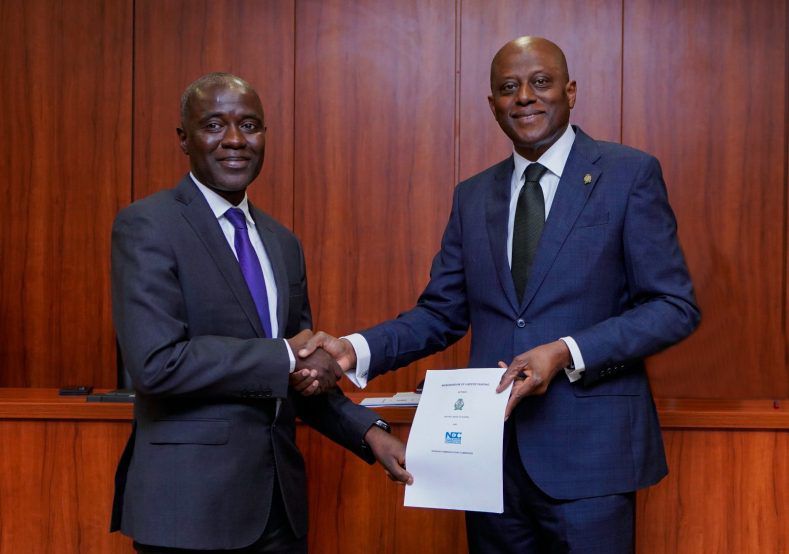
CBN, NCC sign pact to combat SIM-related fraud in Nigeria
The Central Bank of Nigeria (CBN) and the Nigerian Communications Commission (NCC) have signed a memorandum of understanding to tackle SIM-related fraud, as regulators move to contain growing risks in Nigeria’s mobile-driven financial system.
The agreement, signed in Abuja, comes amid increasing cases of fraud linked to mobile numbers—now widely used as primary identity tools for banking, payments, and digital services.
Nigeria’s central bank governor, Olayemi Cardoso, said the pact reflects the urgency of protecting trust in the financial system.

“This MoU is not merely an administrative document; it is a practical statement of national interest,” Cardoso said.
“System integrity and consumer protection must evolve alongside digital adoption.”
How SIM fraud is happening in real cases
Behind the policy move are real incidents that expose how easily attackers can exploit mobile-linked financial systems.
In one widely documented case, Nigeria’s anti-graft agency, the Economic and Financial Crimes Commission (EFCC), arrested three suspects involved in a SIM swap fraud that led to the theft of over ₦7.1 million from a victim’s bank account.
According to investigators, the victim suddenly lost network access and received an “invalid SIM” notification—an early warning sign of SIM hijacking. Source: Economic and Financial Crime Commission
Before the issue could be resolved, fraudsters had already gained control of the phone number, reset banking credentials, increased transfer limits, and moved funds out of the account without authorisation. Source: Economic and Financial Crime Commission
The case revealed a critical vulnerability: once a SIM is compromised, attackers can intercept one-time passwords (OTPs) and bypass banking security layers.
Cybersecurity experts say this pattern is increasingly common.
“It doesn’t require hacking sophisticated systems,” said a Lagos-based digital security analyst.
“The fraud happens at the identity layer—once the phone number is taken over, everything connected to it becomes vulnerable.”
A ‘silent digital war’ targeting mobile identities
Analysts describe SIM swap fraud as one of Nigeria’s most underreported but financially damaging cyber threats.
Unlike traditional cyberattacks, SIM fraud often leaves little trace and can be executed quickly using social engineering or insider compromise within telecom processes.
A recent industry analysis described the trend as a “silent digital war,” noting that criminals can gain access to banking apps, email accounts, and financial alerts simply by taking control of a phone number. Source: Businessday NG
This has become more significant as Nigeria’s financial system increasingly relies on mobile authentication for transactions.
Telecom risk platform to close security gaps
To address these risks, the new CBN-NCC agreement introduces a Telecom Identity Risk Management Portal, which will allow banks and fintech firms to verify mobile number status in real time.
The system will flag numbers that have been swapped, recycled, or linked to suspicious activity before transactions are processed.
Regulators say the platform will operate under strict data protection rules, including encryption and user consent protocols.
A payments systems consultant said the initiative could be a turning point—if properly implemented.
“The biggest gap has been lack of visibility,” the consultant said.
“Banks often don’t know a SIM has been swapped until after fraud occurs. This system aims to fix that.”
Related: NSCDC dismantles Lagos baby factory, rescues 28 victims
Read Also: Nigeria imports US crude despite exporting oil amid refinery supply crisis
Japan defence export rules overhaul opens global arms market
NCC: regulatory coordination now essential
Executive Vice Chairman of the NCC, Aminu Maida, said the agreement reflects a shift toward integrated oversight of Nigeria’s digital economy.
“Collaboration is no longer optional; it is imperative,” Maida said.
“Financial institutions need real-time telecom intelligence to prevent fraud effectively.”
Consumer losses and system vulnerabilities
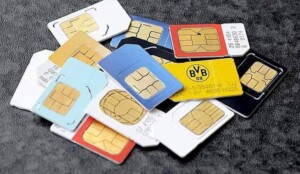
SIM-related fraud cases often escalate quickly because of how deeply phone numbers are embedded in financial systems.
In many cases, victims only realise something is wrong after losing network access—by which time fraudulent transactions may already be completed.
Experts say delays in response across telecom and banking systems have historically worsened losses.
“There is usually a lag between SIM compromise and fraud detection,” said a fintech compliance officer.
“That delay is where most of the damage happens.”
Fixing long-standing gaps in telecom-financial integration
The agreement also aims to address structural gaps between telecom operators and financial institutions.
Rakiya Yusuf said the partnership builds on earlier collaboration, including USSD regulation and mobile payment frameworks.
She noted that a proposed 30-second transaction reversal system is also being developed to reduce the impact of failed or fraudulent transactions.
Implementation and enforcement will be key
Two joint committees will oversee the rollout:
- Payment Systems and Consumer Protection Committee
- Telecom Risk Management Committee
Analysts say the framework is strong on design but will depend heavily on execution.
“This is not a policy problem—it’s an implementation problem,” said a financial services consultant.
“If data-sharing is inconsistent or delayed, fraud will persist.”
A critical test for Nigeria’s digital economy
Nigeria’s push toward a digital economy has accelerated financial inclusion and innovation—but also exposed new systemic risks.
The CBN-NCC agreement represents one of the most coordinated attempts to address fraud at the intersection of telecom and finance.
If effectively implemented, analysts say it could significantly reduce SIM-related fraud and strengthen trust in digital financial services.
However, they warn that success will depend on continuous monitoring, enforcement, and public awareness.
Read more at ireport247news
About The Author
