

The Trump BBC lawsuit is heading to trial after a Florida judge cleared the way for a $10bn courtroom showdown between the US president and the British broadcaster.
Donald Trump is suing the BBC for defamation, claiming it deliberately edited footage in a Panorama documentary to falsely imply he encouraged the January 6 Capitol riot.
The case will go before a jury in February 2027 and is expected to last two weeks, marking a major escalation in the long-running dispute between the president and the public broadcaster.
The legal action stems from a programme titled Trump: A Second Chance?, broadcast shortly before the 2024 US election results were announced.
At the centre of the dispute is an edited clip of Trump’s speech on January 6, 2021, when his supporters gathered in Washington before the storming of the Capitol.
The documentary spliced together two separate segments of Trump’s remarks, creating the impression he said: “We’re going to walk down to the Capitol … and I’ll be there with you. And we fight. We fight like hell.”
The BBC later acknowledged that the two clips had been merged without clearly informing viewers, admitting the edit created a misleading impression.
However, the broadcaster stopped short of offering compensation and insisted it did not accept legal liability.
Trump’s lawyers argue the edit was not simply an editorial mistake but a defamatory act carried out with malicious intent.
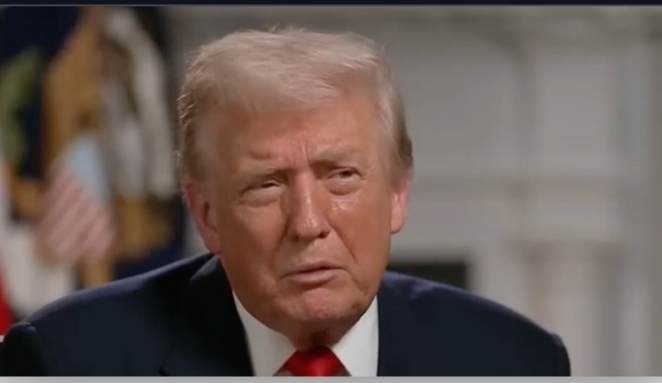
They claim the BBC “intentionally and maliciously” misled audiences worldwide, damaging Trump’s reputation and political standing.
The president is seeking $5bn in defamation damages and an additional $5bn for alleged unfair trade practices.
The BBC initially attempted to halt proceedings, filing a motion to dismiss the case in a Florida court.
Its legal team argued that the court lacked jurisdiction, that the venue was improper, and that Trump had failed to state a valid legal claim.
The corporation also maintained it neither produced nor broadcast the documentary in Florida.
It further disputed claims that the programme was made available in the US through the streaming platform BritBox.
Despite those arguments, US District Judge Roy K Altman ruled the case should proceed to trial.
The decision represents a significant setback for the broadcaster’s legal strategy.
A BBC spokesperson said the organisation would defend itself vigorously but declined further comment due to ongoing proceedings.
The controversy over the Panorama documentary triggered a crisis within the BBC last year.
An internal review and mounting criticism led to high-profile resignations at the broadcaster.
Director-General Tim Davie stepped down, saying he accepted “ultimate responsibility” for editorial mistakes.
Deborah Turness, chief executive of BBC News, also left her position amid the fallout.
BBC chair Samir Shah described the editing decision as an “error of judgement”.
The episode intensified scrutiny of BBC editorial standards and governance structures.
A leaked document from Michael Prescott, a former independent adviser to the BBC’s editorial guidelines committee, alleged broader concerns about bias within the organisation.
Trump welcomed the resignations, claiming the documentary amounted to interference in a presidential election.
He accused the broadcaster of attempting to “step on the scales” during a critical democratic process.
White House press secretary Karoline Leavitt said the footage was “purposefully dishonestly, selectively edited”.
She described the BBC as “fake news” and questioned its credibility with UK audiences.
Critics of the documentary argue the edit removed a key moment in which Trump urged supporters to protest “peacefully and patriotically”.
Supporters of the BBC contend the broader context of January 6 remains widely documented and scrutinised.
The Capitol riot itself has been the subject of multiple investigations, congressional hearings, and criminal prosecutions in the United States.
Legal experts say the Trump BBC lawsuit could test the limits of cross-border media liability.
The case raises complex questions about jurisdiction, press freedom, and reputational harm in the digital age.
Because the BBC is a UK public service broadcaster, the lawsuit has drawn international attention.
Media law specialists note that defamation standards in the United States differ significantly from those in the UK.
As a public figure, Trump must meet a high threshold to prove actual malice under US law.
His legal team insists the internal acknowledgment of misleading editing strengthens that argument.
The upcoming trial could expose internal editorial communications and decision-making processes.
That prospect may prove uncomfortable for the broadcaster as it prepares its defence.
The BBC has maintained that while an editorial mistake occurred, it does not amount to defamation.

The financial stakes are substantial, with $10bn representing one of the largest claims ever filed against a media organisation.
Beyond monetary damages, the outcome may influence how international broadcasters edit and present political content.
Trump has a long history of pursuing legal action against news organisations.
He is currently engaged in disputes with major US newspapers, including The New York Times and The Wall Street Journal.
Observers say the February 2027 trial date ensures the dispute will remain in the public eye throughout the next US political cycle.
The ruling underscores how legal battles between political leaders and global media institutions are increasingly playing out in courtrooms.
Read also:Save America Act passes House as Trump-backed voting overhaul faces Senate blockade
As preparations begin for trial, both sides are expected to intensify legal and public relations efforts.
The Trump BBC lawsuit now moves from procedural wrangling to a full jury trial that could reshape the boundaries between political speech, media editing, and defamation law.
About The Author


