

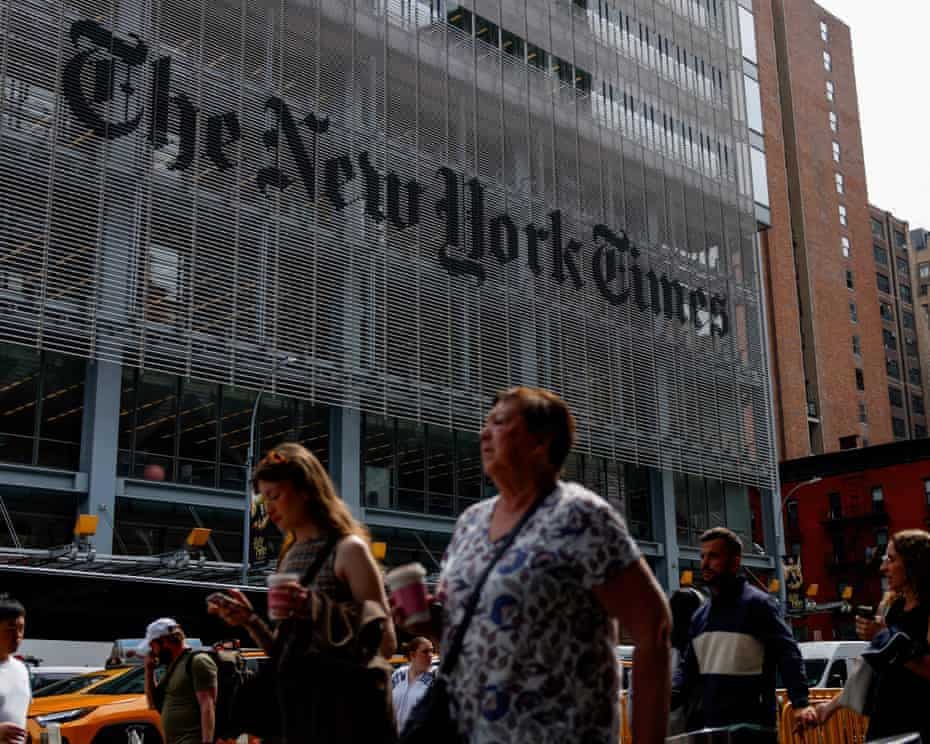
Trump administration sought New York Times journalists’ phone records and even those of some relatives in an aggressive bid to unmask confidential sources. The target was reporting on the president’s Air Force One jet from Qatar.
The motion, unsealed Monday, reveals a wider and longer effort than previously known. It comes as tensions between the White House and the press hit a new peak. 📱🚨
The Subpoena Push And What Triggered It
The Justice Department’s request focused on reporters who covered Trump’s use of an Air Force One jet gifted by Qatar. The story raised questions about ethics, security, and foreign influence.
According to a letter-motion filed by the Times over the weekend, officials went “long before” the publication dates of the articles. They wanted call logs that could reveal who spoke to whom, and when.
The scope was unusually broad. It included journalists and family members. That expansion signals how far investigators were willing to go to identify leakers inside government.
The Times argued the subpoenas violated press protections. The newspaper said the request exceeded the timeframe of the reporting itself, making it a fishing expedition.
Press Freedom Under Pressure
Why The Qatar Jet Story Matters
The Qatar jet story was sensitive. Air Force One is a symbol of presidential power. A foreign gift raises legal and national security questions.
Reporting suggested internal debate about accepting the aircraft. It also touched on protocols for presidential transport and foreign gifts.
For the administration, plugging leaks became a priority. For the Times, protecting sources became a constitutional fight.
This is not the first clash. The Trump team has repeatedly accused media of relying on anonymous officials. The response has been subpoenas, lawsuits, and public attacks.
Legal Arguments And Timeline
The unsealed motion shows the administration sought records covering months before and after the articles. That’s far beyond the news cycle.
Lawyers for the Times said the demand threatened source relationships built over years. If sources fear exposure, whistleblowers dry up.
The Justice Department has not detailed what crime it suspected. The motion cited a need to investigate unauthorized disclosures of government information.
Press advocates note that subpoenaing relatives crosses a line. It extends government reach into private family communications unrelated to reporting.
The court has not yet ruled. The Times is fighting to quash the subpoenas and limit future requests.
Pattern Of Tension With Media
This fits a broader pattern. In recent months the administration has subpoenaed reporters, limited Pentagon press access, and filed defamation suits.
Related cases include:
- July 11 2026: Subpoenas over new Air Force One reporting
- March 25 2026: Times accused Pentagon of defying press access order
- Dec 4 2025: Lawsuit over Trump team limits on press reporting
- Oct 17 2025: $15bn defamation complaint amended
Each episode chips away at norms. Journalists say it creates a chilling effect. Officials say it enforces accountability.
The stakes are high. If courts allow broad phone record grabs, it could reset how leak investigations work.
What Experts Are Saying
Media lawyers warn this is “unusually aggressive.” The inclusion of relatives is especially rare in leak probes.
First Amendment groups argue that source confidentiality is essential. Without it, government wrongdoing stays hidden.
National security officials counter that leaks endanger operations. They say the Qatar jet details could reveal procedures.
The public is split. Some support cracking down on leaks. Others see it as retaliation against critical coverage.
What’s clear: the legal fight will define press protections for years.
Political Fallout
The timing matters. The subpoenas emerged as Trump faces scrutiny over foreign gifts and campaign finance.
Opponents call it intimidation. Allies call it law enforcement. Both sides will use it in 2026 midterm messaging.
Inside the Times newsroom, morale is tense but defiant. Editors have told staff the paper will fight every step.
Outside, other outlets are watching closely. If the Times loses, similar requests could follow at the Washington Post, CNN, and others.
What Happens Next
The court will decide if the subpoenas stand. A ruling could come within weeks.
Read also: Andy Burnham invites Donald Trump to Manchester for G20 hours after becoming Prime Minister
If blocked, the administration may appeal. If upheld, the Times may have to turn over records or face contempt.
Congress could also act. Lawmakers have proposed a federal shield law to protect journalists and sources.
For now, the case is a test. Can the government compel reporters’ phone data to hunt leakers? Can the press say no?
Trump administration sought New York Times journalists’ data in a move that could reshape press freedom. The battle is just beginning.
About The Author


