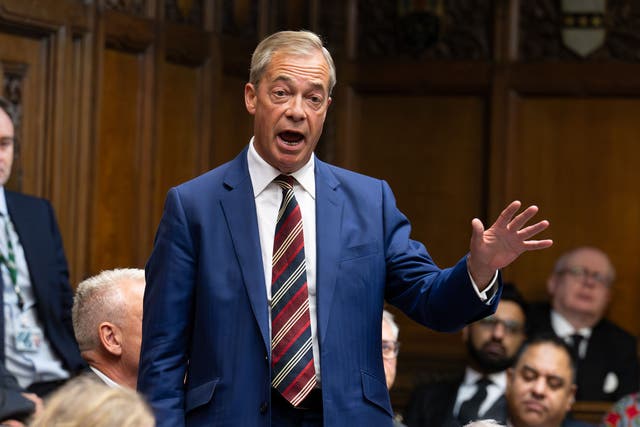
The Israeli general elections are taking place against the backdrop of the Gaza war, the October 7, 2023, Hamas-led attacks and growing debate over Prime Minister Benjamin Netanyahu’s leadership, with voters preparing to determine the country’s political direction.
The vote presents a crucial test for Netanyahu, who has dominated Israeli politics for decades. His government’s handling of security, the consequences of the war in Gaza and questions about political accountability have become central to the debate over whether he should continue leading the country.
Netanyahu’s opponents, including former military chief Gadi Eisenkot, are seeking to turn public dissatisfaction into support for an alternative government. However, Israel’s fragmented political system means that the election result alone may not determine who becomes prime minister.
The outcome will also depend on coalition negotiations, the performance of smaller parties and whether competing political groups can assemble enough parliamentary support to form a government.
Israeli general elections put Netanyahu’s leadership under scrutiny
The Israeli general elections come at a significant moment for Netanyahu, whose political career has been defined by repeated electoral contests, security crises and efforts to maintain a governing majority.
His supporters view him as an experienced leader who understands Israel’s security challenges and can manage difficult regional relationships. They argue that changing leadership during a period of continuing instability could introduce additional uncertainty.
Critics, however, question whether his government has adequately addressed the failures surrounding the October 7 attacks and whether its approach to the Gaza war has delivered lasting security.
The attacks, carried out by Hamas and other militants, profoundly affected Israeli society and intensified demands for answers about the country’s preparedness and the government’s response.
For Netanyahu, these questions have become part of a broader debate about responsibility, leadership and public confidence. Opposition figures argue that voters should consider the government’s record when deciding who should lead Israel through its next political and security challenges.
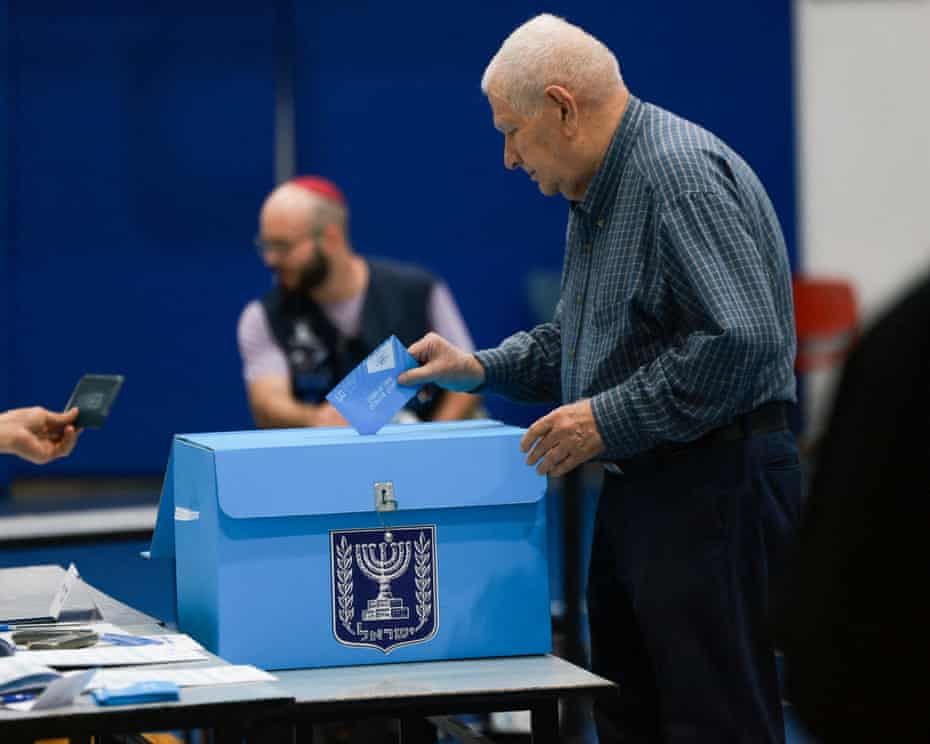
Nevertheless, dissatisfaction with an incumbent does not automatically guarantee a change of government. Israel operates under a parliamentary system in which parties must secure sufficient support in the Knesset, the country’s 120-seat parliament, to establish a governing coalition.
Consequently, Netanyahu could remain politically influential even if his Likud party loses seats, provided he can secure the backing of enough allied parties.
The opposition faces the reverse challenge: it must demonstrate that its parties can cooperate and establish a government capable of surviving parliamentary disagreements.
Gadi Eisenkot offers an alternative to Netanyahu
Former Israel Defense Forces chief of staff Gadi Eisenkot has emerged as a prominent opposition figure seeking to challenge Netanyahu’s leadership.
Eisenkot’s military background is an important part of his political profile. His experience in the armed forces allows him to address national security concerns while presenting himself as an alternative to the prime minister.
His Yashar party has emphasised honesty, responsibility and changes to political leadership. Eisenkot has also called for measures intended to strengthen accountability and limit the concentration of political power.
His campaign presents an opportunity for voters dissatisfied with Netanyahu to consider an alternative led by someone with extensive military experience.
However, Eisenkot’s challenge involves more than criticising the incumbent prime minister. He must convince voters that his political movement can deliver a credible governing programme and build a coalition with other parties.
Israel’s opposition contains groups with different positions on security, religion, relations with Palestinians and the future of the occupied territories. Although these parties may agree that Netanyahu should leave office, they do not necessarily share the same priorities for the country.
These differences could become particularly important after the election, when political leaders must negotiate over policy commitments, ministerial positions and the formation of a government.
Eisenkot’s military credentials may appeal to voters who consider security their principal concern, but his political prospects will also depend on his ability to attract support beyond his existing base.
Gaza war and Hamas remain central to the election debate
The Gaza war is one of the most consequential issues surrounding the Israeli general elections, although the humanitarian consequences of the conflict have received less attention in parts of the Israeli campaign than security and political leadership.
Both Netanyahu’s political camp and Eisenkot’s opposition movement have emphasised the objective of ending Hamas rule in Gaza following the October 7 attacks. However, the broader question of what should happen to Gaza after the conflict remains a major challenge.
The war has devastated large areas of the territory, displaced vast numbers of Palestinians and caused an extensive humanitarian crisis. Many residents face severe difficulties accessing food, clean water, medical treatment, shelter and other necessities.
Palestinians in Gaza are watching the Israeli election with concern because the next government’s decisions could influence their living conditions and the future of the territory.
Yet their interests have not occupied the same prominent position in the campaigns as the security concerns of Israeli voters.
For Netanyahu’s government, the war has been presented through the objectives of confronting Hamas and protecting Israel from further attacks. Opposition leaders have also stressed the need to address security threats, meaning that a change of government would not necessarily produce a fundamentally different approach to Hamas.
This creates uncertainty about whether the election will lead to a significant shift in policy towards Gaza.
The question extends beyond military operations to include governance, reconstruction, humanitarian access and the political future of Palestinians living in the territory.
Without a clear and broadly accepted plan for Gaza’s future, the formation of a new Israeli government may not resolve the fundamental disagreements surrounding the conflict.
The election may therefore influence how Israel approaches the next phase of the war and its aftermath, but the precise consequences will depend on the policies adopted by the government that eventually takes office.
Palestinians fear the consequences of another Netanyahu term
For Palestinians living in Gaza, the Israeli general elections represent a political development with potentially serious consequences for their future.
Many families have endured repeated displacement, the destruction of homes and infrastructure, shortages of essential supplies and continuing uncertainty about their safety.
The prospect of another government led by Netanyahu has generated fears among some residents that existing policies could continue or that military operations could resume or intensify.
However, Palestinians also have limited reason to assume that a different Israeli leader would automatically introduce a substantially different policy.
Eisenkot has called for an end to Hamas rule and has supported efforts to address Israel’s security concerns. His military background and previous positions indicate that replacing Netanyahu would not necessarily mean abandoning the use of military force.
The debate therefore extends beyond the personalities of individual candidates to the policies they propose and the consequences those policies could have for Gaza’s population.
Some Palestinians have expressed frustration that Israeli election campaigns focus heavily on defeating Hamas while giving comparatively little attention to the humanitarian catastrophe experienced by civilians.
For displaced families, the immediate priorities include access to food, clean water, healthcare, education and safe shelter. Political promises will have limited practical significance unless they lead to changes that improve these conditions.
The future of Gaza will also depend on decisions concerning humanitarian assistance, reconstruction, movement restrictions and the arrangements governing the territory after the war.
These questions remain central to the wider Israeli-Palestinian conflict, regardless of which political bloc eventually forms Israel’s next government.
Far-right parties could influence the next government
Smaller right-wing and religious parties could play a decisive role in determining the outcome of the Israeli general elections and the composition of the next government.
Israel’s proportional representation system means that parliamentary seats are distributed according to parties’ electoral performance. Because no single party typically governs alone, coalition negotiations are essential to establishing a government.
This gives smaller parties considerable influence when larger political groups need their support to reach a parliamentary majority.
For Netanyahu, cooperation with right-wing and religious allies could be essential to retaining power. However, coalition partners may demand policy commitments or ministerial positions that limit the prime minister’s freedom to compromise.
Their influence could affect decisions concerning Gaza, the Palestinians, religious policy, military service and settlements in the occupied West Bank.
The opposition could face similar difficulties if its parties collectively secure enough seats to challenge Netanyahu but cannot agree on a common programme.
Some opposition parties may be prepared to cooperate on forming a government while disagreeing over the policies it should pursue. Those differences could complicate negotiations and threaten the stability of any coalition.
The election’s consequences will therefore depend not only on the performance of Netanyahu’s Likud party or Eisenkot’s Yashar movement but also on the choices made by smaller political groups.
A party with a relatively modest share of the vote could become influential if its parliamentary seats determine which bloc can form a government.
Security concerns and public accountability shape voter choices
National security remains a major consideration for Israeli voters following the October 7 attacks and the subsequent war in Gaza.
The attacks raised serious questions about intelligence, preparedness and the government’s ability to protect citizens. Families affected by the violence and people concerned about the hostages have continued to demand answers and action.
These concerns have contributed to wider discussions about political accountability and whether the government has adequately explained the circumstances surrounding the attacks.
For some voters, the election provides an opportunity to hold the current leadership responsible for its record. Others may believe Netanyahu’s experience remains valuable in dealing with continuing security threats.
The disagreement reflects a broader tension between demands for accountability and arguments that continuity is necessary during periods of regional instability.
The conflict has also affected the lives of Israeli soldiers, their families and communities exposed to violence. These experiences may influence how voters assess the government’s military strategy and its plans for preventing future attacks.
At the same time, security is not the only issue shaping the electorate’s choices. Economic pressures, public services, political trust and disagreements over religious influence can also affect voting decisions.
Different groups may therefore reach contrasting conclusions about which party best represents their interests, even when they share concerns about national security.
The election is unlikely to resolve all these disagreements. However, the result will determine which political leaders have the authority to set government priorities and negotiate the next stage of Israel’s domestic and foreign policy.
Young voters and returning citizens may affect participation
Younger Israelis and citizens returning from abroad are among the groups whose participation could influence the election, although their political preferences should not be treated as uniform.
Younger voters may consider the effects of the conflict on their personal security, military service, education, employment prospects and expectations for the future.
For some, the government’s handling of the Gaza war and the October 7 attacks may be central to their decisions. Others may place greater emphasis on economic opportunities, social policy or ideological commitments.
Political parties must persuade these voters that their programmes address the challenges facing the country while offering a credible vision for the years ahead.
Returning citizens may also contribute to changes in participation, but their experiences and political views can vary considerably. There is no single position that can be attributed to everyone who has spent time outside Israel.
In a closely contested parliamentary election, differences in turnout may affect the number of seats won by individual parties and the ability of political blocs to form a coalition.
The broader challenge for candidates is to convert public concern into electoral participation and then translate the results into a workable parliamentary arrangement.
Coalition negotiations will determine who governs Israel
The final outcome of the Israeli general elections may remain uncertain until political parties complete negotiations over the formation of a government.
Under Israel’s parliamentary system, the ability to assemble a majority is central to determining who governs. Winning the largest number of seats does not automatically guarantee that a party’s leader will become prime minister.
Netanyahu’s political future will depend on whether Likud and its potential allies can secure sufficient parliamentary support.
Eisenkot and other opposition leaders must demonstrate that their parties can cooperate effectively and establish an alternative coalition.
The negotiations could involve difficult discussions about security policy, Gaza, religious affairs, settlements, military service and the distribution of government positions.
If political blocs remain divided, the country could face an extended period of uncertainty while parties attempt to reach an agreement.
Even after a coalition is formed, its stability will depend on whether the participating parties can maintain common ground on major policy decisions.
The composition of the next government will be particularly important for Gaza because its decisions could influence military operations, humanitarian access and discussions about the territory’s future.
However, any assessment of the election’s consequences must distinguish between campaign promises and policies that a government ultimately adopts.
Israeli general elections could shape Israel’s future relationship with Gaza
The Israeli general elections are taking place amid overlapping questions about political leadership, national security, accountability and the future of the Gaza war.
Netanyahu faces scrutiny over his government’s record, while Eisenkot and other opposition figures are seeking support for an alternative political direction. At the same time, smaller parties could determine which side secures the parliamentary backing needed to govern.
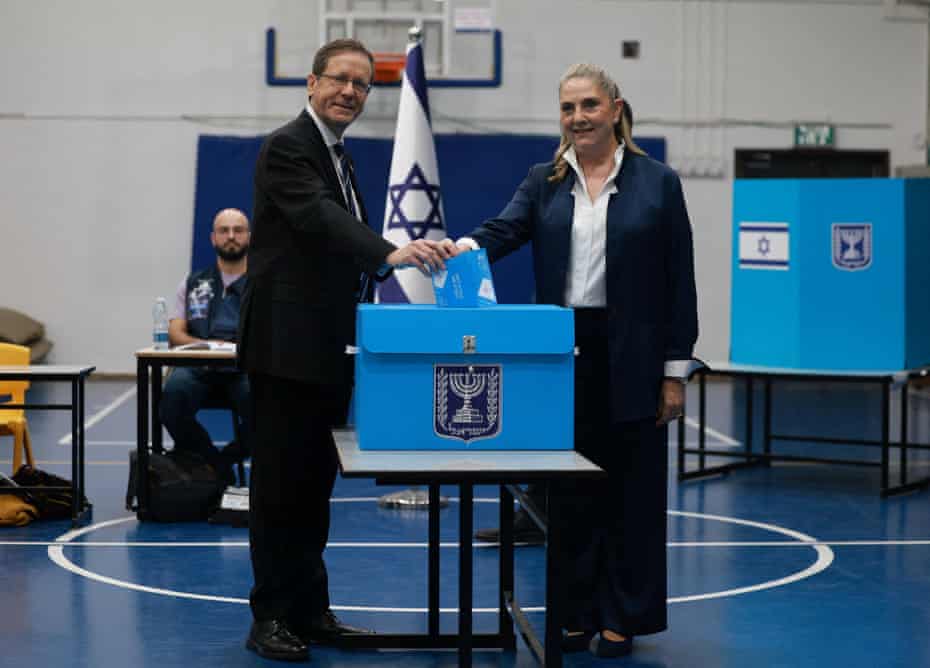
The conflict with Hamas remains central to the debate, but the humanitarian situation in Gaza raises wider questions about civilian protection, reconstruction and the future political arrangements for the territory.
For Palestinians, the result carries considerable significance, although neither a change of prime minister nor the continuation of the existing government guarantees a particular outcome.
For Israelis, the election provides an opportunity to assess the government’s performance and decide which political leaders should guide the country through its continuing challenges.
Ultimately, the result will be shaped by voter participation, party performance and the negotiations that follow. The next government’s policies will determine how the election translates into practical decisions on security, Gaza and Israel’s wider regional relationships.
About The Author