

Prince Harry is part of a high-profile group of seven celebrities taking legal action against Daily Mail publisher Associated Newspapers Limited over privacy breaches.
The group includes Sir Elton John, Baroness Doreen Lawrence, Liz Hurley, David Furnish, Sadie Frost, and Sir Simon Hughes, who have experienced alleged unlawful information gathering.
They claim the publisher hired private investigators to place listening devices, accessed phone records, and engaged in “blagging” to gather personal and confidential information unlawfully.
ANL has denied all allegations, calling the claims “lurid” and “simply preposterous,” defending its journalistic methods while preparing to challenge each aspect of the case in court.

At a preliminary hearing earlier this month, Mr Justice Nicklin addressed the controversial “burglary to order” allegation from a 1992 Mail on Sunday investigation.
The claim referred to journalists allegedly burgling businessman Michael Ward’s home, stealing documents, and producing articles from unlawfully obtained information, though none of the claimants were directly involved.
The judge ruled that evidence regarding the 30-year-old incident is not relevant, saying, “Even if proved true, it cannot assist in the fair resolution of claims.”
He added that introducing this allegation would create an unnecessary side-show, overcomplicating the proceedings and potentially wasting significant court resources and time.
The ruling means the trial, scheduled for January 2026, will focus strictly on claims that directly affected the seven high-profile claimants.
Mr Justice Nicklin emphasized that establishing habitual unlawful information gathering is unnecessary, aiming to keep the trial focused and proportionate while ensuring fairness for all parties.
Lawyers representing the claimants are expected to appeal, arguing the exclusion was incorrect in both fact and law, seeking reinstatement of certain elements of historical allegations.
Prince Harry participated in the hearing via video link, underlining the personal nature of the claims and his determination to protect privacy rights for himself and others.
David Sherborne, the celebrities’ lawyer, highlighted alleged targeting of Prince William’s 21st birthday party, claiming private investigators collected information unlawfully for media stories.
An invoice associated with June 2003 coverage detailed the “Out of Africa”-themed party extensively, which Sherborne suggested was likely obtained through blagging, violating privacy laws.
Sherborne also referenced records showing a private investigator allegedly tasked with providing mobile phone conversations related to the Princess of Wales.
The invoices and records reportedly included contact numbers of family and friends, intensifying concerns about intrusion into private life by journalists.
Antony White KC, representing ANL, countered that many allegations were “wholly unparticularised,” urging the court to exclude claims lacking direct relevance to the seven claimants.
White argued that admitting unparticularised allegations could derail proceedings, turning the trial into a wide-ranging investigation resembling a public inquiry, rather than addressing specific grievances.
The High Court’s approach highlights the need to balance fair trial principles with practical management of evidence, preventing trials from becoming overly complex or unmanageable.
Sir Elton John, commenting on the case, stressed the importance of privacy, noting, “We are seeking accountability for intrusive practices and ensuring such behavior cannot continue unchecked.”
Baroness Lawrence reinforced this perspective, emphasizing that public figures deserve protection from unlawful surveillance and exploitation of private information by media organizations.
Legal analysts noted that the court’s ruling reflects a focus on relevance, ensuring evidence contributes meaningfully to resolving the claimants’ allegations rather than appealing to sensationalism.
The trial is part of a wider trend of celebrities asserting privacy rights in the digital age, as social media and online journalism blur boundaries between reporting and intrusion.
Prince Harry and other claimants argue that access to private communications and personal records constitutes a systemic violation of privacy, highlighting the risks public figures face in modern media.
The case draws attention to ethical journalism and the responsibilities of publishers to avoid overstepping legal and moral boundaries, particularly when covering private individuals.
Observers have highlighted that the case could set important precedents for UK media regulation, shaping future standards for celebrity privacy protections and investigative reporting limits.
David Sherborne asserted that journalists’ alleged methods extended beyond mere reporting, claiming deliberate attempts to access information without consent to create sensational articles for publication.
The focus of the trial remains on unlawful information gathering, including the use of private investigators, unauthorized access to phone records, and potential blagging of confidential documents.
Prince Harry’s participation via video link underscores his commitment to seeking justice, as the trial could influence broader societal understanding of privacy rights and media accountability.
Legal experts suggest that the appeal by the claimants may extend proceedings, potentially reinstating some previously excluded allegations, though the primary scope will continue to address core privacy breaches.
ANL has pledged to defend the claims vigorously, maintaining that its journalists followed legal practices and that accusations of unlawful activity are baseless and exaggerated.
A further preliminary hearing is scheduled next month to review procedural issues, ensuring the trial remains focused and avoiding unnecessary diversions into unrelated historical allegations.
The trial’s outcome may affect press freedoms, with courts potentially clarifying the limits of lawful investigative journalism versus unlawful intrusion into private life.
Prince Harry’s case exemplifies the challenges public figures face in balancing personal privacy with media exposure and public interest in celebrity lives.
The High Court has emphasized proportionality, ensuring that historical allegations without direct relevance do not dominate proceedings or create unfair complexity for the claimants and the publisher.
Privacy advocates have praised the ruling, noting that it prevents trials from being overwhelmed by irrelevant material, focusing attention on actionable claims and measurable harm.
The exclusion of the “burglary to order” allegation reflects careful judicial management of evidence to prevent procedural unfairness and maintain the integrity of the trial process.
Prince Harry’s legal battle is emblematic of broader debates over media ethics, accountability, and the evolving legal protections for personal privacy in an increasingly digital world.
Sir Elton John emphasized that accountability is essential for media organizations, warning that unchecked practices could continue to harm public figures without proper legal deterrents.
Baroness Lawrence stressed that individuals should not suffer unlawful surveillance or intrusion, regardless of their public status or social prominence, highlighting the ethical stakes of the trial.
Lawyers argue that while public figures may attract attention, fundamental privacy rights must be upheld, particularly when alleged practices involve deliberate breaches of confidential communications.
The High Court’s measured approach indicates that relevance and probative value will guide trial proceedings, balancing media freedom with the personal rights of claimants.
David Sherborne’s submissions aim to establish a pattern of unlawful information gathering, focusing on actions directly impacting Prince Harry and his co-claimants rather than historical, unrelated incidents.
The trial’s visibility reflects public interest in media conduct and the treatment of celebrities, demonstrating broader societal concerns about press accountability and ethics.
Prince Harry and his co-claimants seek remedies that reinforce the principle that unlawful intrusion into private life cannot be tolerated, signaling potential reforms in media practices.
The High Court’s procedural management may influence similar cases in the future, setting benchmarks for evidence admissibility and narrowing disputes to material issues affecting claimants directly.
Observers note that the case could have lasting implications for UK media, reinforcing the need for ethical standards and legal compliance when reporting on private individuals.
Prince Harry’s privacy lawsuit represents a test of boundaries between public curiosity and legitimate journalism, emphasizing the importance of proportionality, evidence, and accountability in media reporting.
As the trial progresses, stakeholders will monitor its impact on press behavior, celebrity privacy protections, and the evolving standards of lawful investigative practices in the United Kingdom.
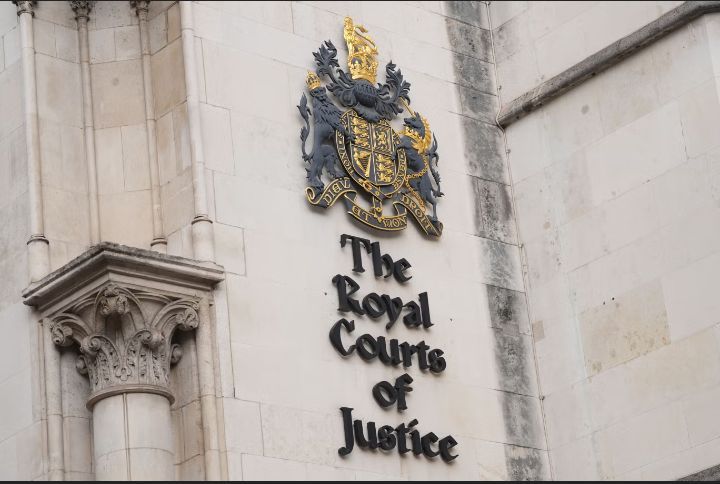
The preliminary exclusion of unrelated historical allegations marks a partial victory for claimants, allowing them to focus on direct claims and seek justice without distraction.
The trial will continue to examine alleged breaches involving private investigators, phone records, and confidential documents, setting a legal precedent for future privacy litigation.
Prince Harry and his legal team remain committed to the pursuit of justice, emphasizing personal privacy rights, fair trial principles, and accountability for alleged media misconduct.
ANL continues to deny wrongdoing, maintaining that its journalists operate lawfully, with the trial expected to rigorously test the merits of the claims and the evidence presented.
The case underscores the ongoing tension between celebrity privacy, public interest journalism, and ethical responsibilities, highlighting the importance of balanced legal scrutiny in complex media disputes.
About The Author


