

Starmer backs Streeting and has condemned the so-called “completely unacceptable” leaks from Downing Street amid rising speculation of a leadership challenge within the Labour Party.
The Prime Minister emphasised that attacks on Cabinet members are intolerable, while affirming the health secretary’s achievements in stabilising and reforming the NHS amid growing political scrutiny.
During Prime Minister’s Questions, Sir Keir highlighted Streeting’s record, noting improvements to hospital performance, staff retention, and patient access, portraying him as a capable and indispensable Cabinet member.
Health Secretary Wes Streeting, speaking at the NHS Providers conference in Manchester, rejected claims that he is plotting to replace the Prime Minister or engage in political manoeuvring.
“The bizarre thing about some juvenile briefing overnight is that certain individuals in No 10 suggest the Prime Minister is fighting for his job,” Streeting said, calling this speculation unhelpful.
He added: “I don’t think that is true. What he is really doing is focusing on turning this country around and addressing the challenges inherited from previous administrations.”
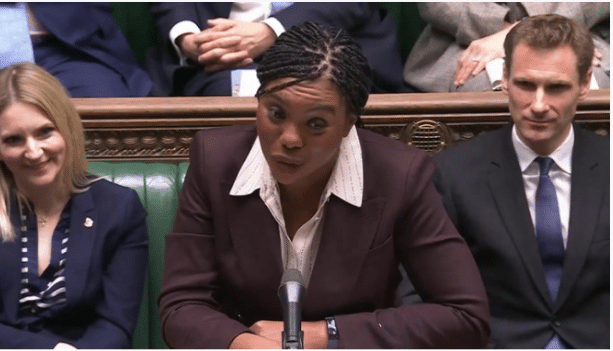
Sir Keir did not explicitly say he had full confidence in his chief of staff, Morgan McSweeney, during PMQs, although Downing Street later clarified that confidence remains intact.
Conservative leader Kemi Badenoch criticised the Prime Minister, claiming Starmer “has lost control of his Government, lost the confidence of his party, and lost the trust of the British people.”
Badenoch accused Labour of economic mismanagement, rising unemployment, and mishandling immigration, suggesting internal divisions might weaken the government ahead of the Budget.
Amid these tensions, speculation has circulated that Streeting or Home Secretary Shabana Mahmood could replace Starmer in the event of a leadership shake-up, though Streeting denied any such ambitions.
Streeting emphasised he is fully committed to his current role, focusing on NHS priorities and staff retention, rather than entertaining leadership speculation or political positioning.
He referenced NHS CEO Sir Jim Mackey, assuring conference attendees that efforts are underway to retain senior leadership stability and prevent disruption to health services.
The controversy originated from late-night anonymous briefings by Downing Street aides, suggesting instability at the top and triggering rumours of a leadership challenge within the party.
Some briefings appeared aimed at Streeting, inadvertently elevating his profile and making him appear a credible alternative while the Prime Minister seeks to consolidate Cabinet authority.
Political commentator John Rentoul observed that Downing Street’s attempts to protect the Prime Minister may have unintentionally positioned Streeting as a strong potential successor in the public eye.
Sir Keir’s defence of Streeting highlighted the health secretary’s accomplishments, including reforms to improve hospital efficiency, patient care, and staff conditions across NHS facilities.
By publicly backing Streeting, Starmer sought to reinforce Cabinet solidarity, counter internal dissent, and present a unified front amid persistent media speculation and political gossip.
The Prime Minister also used PMQs to respond to Conservative criticism, pointing to mismanagement during previous administrations and emphasising Labour’s commitment to responsible fiscal reform.
Streeting reiterated that he is “not on manoeuvres,” redirecting attention to government priorities, NHS reform, and delivery rather than leadership rumours and political intrigue.
Despite speculation, Starmer’s explicit support of Streeting demonstrates a strategic effort to protect capable ministers from pressure while maintaining the appearance of party unity.
Internal Labour sources suggest that cohesion will be crucial in the weeks leading up to the Budget, ensuring that policy announcements are not overshadowed by leadership gossip.
Starmer backs Streeting, rejects the leaks, and stresses the importance of Cabinet solidarity, a move designed to reassure both MPs and the public of Labour’s focus on governance.
Analysts argue that controlling leaks and internal speculation is essential for maintaining public confidence, particularly when the opposition is ready to exploit perceived weaknesses in party leadership.
Starmer’s endorsement of Streeting reinforces his commitment to supporting ministers performing key roles, while signalling that internal party discipline will be enforced to prevent destabilisation.
With the Budget approaching, Labour insiders acknowledge that Cabinet cohesion and a focus on policy delivery are central to projecting competence and reassuring both markets and voters.
Starmer backs Streeting and insists that internal attacks and leaks are entirely unacceptable, portraying the health secretary as integral to government stability and NHS reform efforts.
Observers note that this episode illustrates the challenges of leadership in contemporary politics, where media speculation, internal manoeuvring, and public scrutiny intersect under intense pressure.
Labour’s strategy, reinforced by Starmer’s backing of Streeting, aims to prioritise effective governance, quell unfounded rumours, and maintain unity within a complex and often fractious party structure.
About The Author


