Turkey has confirmed that all 20 personnel aboard its military cargo plane perished in the tragic Turkish military plane crash in Georgia, sending shockwaves across the region.
The C-130 Hercules transport aircraft, carrying both crew members and military personnel, went down shortly after taking off from Azerbaijan en route back to Turkey.
Footage of the aircraft showed it spiraling through the air, trailing thick white smoke before colliding with the ground, erupting into a column of black smoke.
The cause of the Turkish military plane crash remains unknown. Authorities are investigating whether technical malfunction, weather conditions, or other factors contributed to the disaster.
President Recep Tayyip Erdogan addressed the nation, expressing deep sorrow over the incident and offering condolences to the families of those lost in the crash.
“We have learned with great sorrow that our C-130 military aircraft has crashed on the Georgia-Azerbaijan border,” President Erdogan said, confirming all personnel on board were killed.
A few minutes after entering Georgian airspace, the plane disappeared from radar without transmitting any distress signal, according to Georgia’s air navigation authorities.
The Interpress news agency reported that the crash occurred in Sighnaghi, a municipality in Georgia’s eastern Kakheti region near the Azerbaijan border.
Authorities are investigating the incident under criminal code provisions covering aviation accidents that result in loss of life, reflecting the severity of the Turkish military plane crash.
At the time of the crash, President Erdogan was delivering a speech in Ankara. Aides handed him a note informing him of the tragedy mid-address.

“God willing, we will overcome this crash with minimum hardships,” Erdogan added, referring to the deceased personnel as martyrs and pledging continued national efforts in rescue and investigation.
Georgian Prime Minister Irakli Kobakhidze also extended condolences to Turkey during a phone call with Erdogan, stressing solidarity and support during this challenging moment.
“Georgia extends full solidarity to our Turkish friends. Our thoughts are with the victims, their families, and all affected by this tragedy,” Kobakhidze said during the conversation.
Turkish authorities, including Interior Minister Ali Yerlikaya, reported that Georgian rescue teams had reached the crash site around 5pm local time, assessing debris and the extent of the disaster.
Azerbaijan’s President Ilham Aliyev called Erdogan to express condolences, highlighting the deep military and diplomatic ties between the two nations and shared grief over the tragic Turkish military plane crash.
Aliyev referred to the victims as brave servicemen, and emphasized that Azerbaijan stands ready to support Turkish authorities in the ongoing investigation and recovery operations.
Debris from the crash, including parts of the aircraft and personal belongings, was scattered across the Sighnaghi municipality, with emergency services securing the area for forensic analysis.
Turkey deployed drones to assist in the search and rescue operations, ensuring that the wreckage was thoroughly examined while preparations were made to send an investigative team to Georgia.
The United States also expressed solidarity, with Ambassador Tom Barrack offering condolences and reaffirming the US commitment to support its Turkish allies in times of tragedy.
Lockheed Martin, the manufacturer of the C-130 Hercules, confirmed its commitment to assist in the investigation, providing technical expertise regarding the aircraft’s systems and performance history.
The C-130 Hercules is a four-engine turboprop military cargo plane widely used for troop and equipment transport. Its design allows operation from unprepared runways, making crashes rare but catastrophic.
This incident marks one of the deadliest accidents involving a Turkish C-130 in recent decades, raising questions about aviation safety protocols and operational challenges in the region.
Turkey recently signed an agreement with the United Kingdom to acquire 12 second-hand C-130J aircraft, reflecting ongoing modernization efforts for the Turkish Air Force.
The Turkish military plane crash comes at a politically sensitive time, following Erdogan’s recent visit to Baku for celebrations marking Azerbaijan’s 2020 victory in the Nagorno-Karabakh conflict.
The crash has prompted discussions about military air travel safety and coordination among neighboring countries, particularly regarding border airspace monitoring and emergency response readiness.
International media coverage has highlighted the dramatic footage of the crash, with images of the aircraft spiraling and erupting into flames symbolizing the suddenness and severity of the incident.
Analysts note that military cargo flights often operate under complex logistical conditions, carrying high-value personnel and equipment, making accidents like this particularly consequential.
Families of the deceased are being provided support by the Turkish government, with crisis teams coordinating both logistical and psychological assistance in the aftermath of the Turkish military plane crash.
Investigators are focusing on multiple factors, including mechanical integrity, pilot communications, weather conditions, and potential external influences that could have led to the catastrophic failure.
The crash has sparked international reactions, with neighboring countries emphasizing the importance of aviation safety and the humanitarian impact of the loss of life aboard military aircraft.
Turkey’s Ministry of Defense is expected to release detailed preliminary findings once teams complete their assessment of the wreckage, which could provide insights into the cause of the Turkish military plane crash.
This tragedy underscores the risks faced by military personnel during routine transport missions, highlighting the importance of rigorous maintenance, monitoring, and international cooperation in air travel safety.
Global military aviation authorities are watching the investigation closely, as the outcome may influence safety protocols and operational standards for C-130 aircraft worldwide.
In the coming days, Turkey plans to hold commemorations for the 20 personnel who perished, honoring their service and sacrifice, while continuing to investigate the crash with transparency and thoroughness.
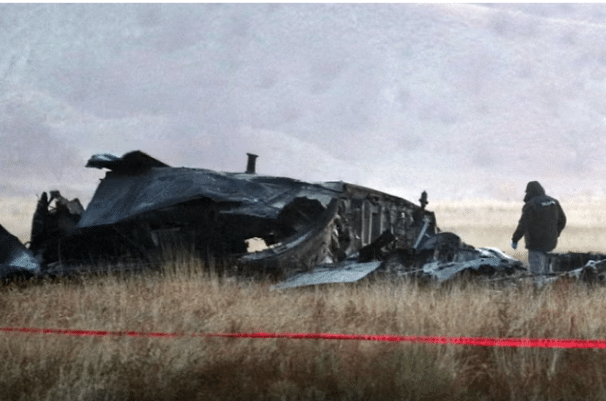
The Turkish military plane crash has left a lasting impact on the region, reaffirming the need for continued investment in military aviation safety and emergency preparedness across national borders.
About The Author