The arson attack on a mosque in Peacehaven, East Sussex, continues to reverberate across Britain as police confirm further arrests and communities struggle with its terrifying implications.
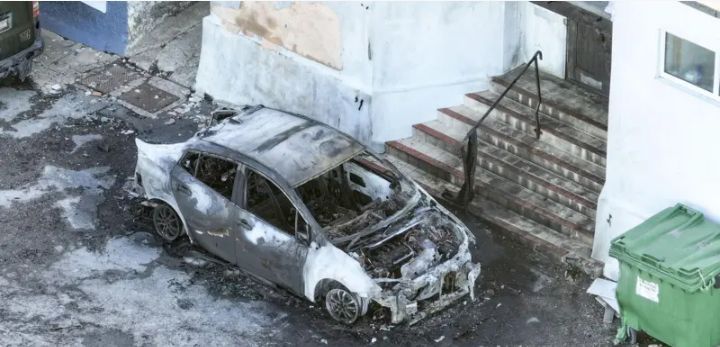
Investigators revealed four men, aged between twenty-two and forty-six, have now been arrested in connection with the blaze that devastated the mosque’s entrance and damaged nearby vehicles.
Authorities confirmed the suspects were detained on suspicion of arson with intent to endanger life. All four were released on conditional bail pending further extensive investigations.
Police said the fire broke out shortly before 10pm, when masked figures approached the building, sprayed accelerant over the entrance and set it alight, igniting immediate devastation.
Security camera footage captured the chilling moment of ignition, showing flames surging across the mosque’s façade as terrified residents watched helplessly from neighbouring properties, fearing the spread of destruction.
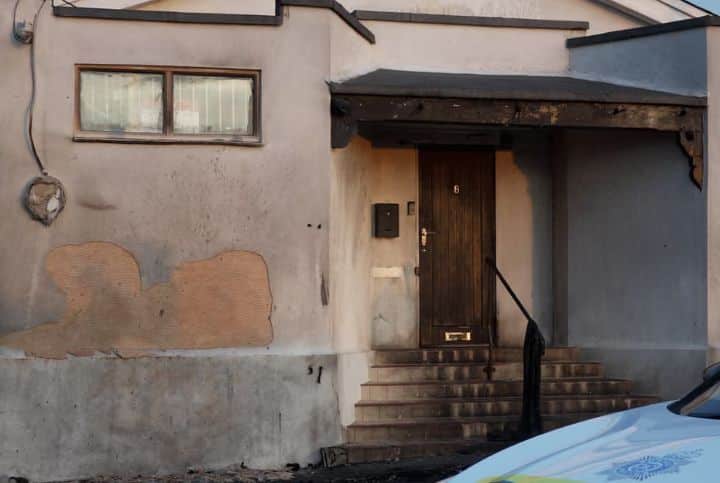
No injuries were reported, but the damage to the front of the building was described by police as “significant,” leaving the community shaken and reeling in disbelief.
Detective Chief Inspector Mark Cullimore stated: “This was a shocking and deliberate act. We are determined to track down those responsible and hold them accountable for endangering lives.”
Cullimore added that house-to-house inquiries, forensic examinations, and intelligence-gathering efforts were continuing. Officers appealed again to the public, urging anyone with information to come forward immediately, quoting Operation Spey.
Local community leaders have warned that the attack is likely to heighten fears among Muslims across Sussex, who already report rising anxiety about hate-fuelled incidents.
One worshipper described the fire as “an attempt to burn our faith, not just our building,” capturing the anger and sadness echoing through Britain’s Muslim community.
Superintendent Rachel Swinney reassured residents: “We will continue to engage directly with all communities impacted, offering support and ensuring their concerns are heard and acted upon without delay.”
National leaders also intervened. Prime Minister Keir Starmer labelled the incident “appalling,” stressing that any attack on Britain’s Muslim communities is “an attack on all Britons, undermining national unity.”
Home Secretary Shabana Mahmood echoed this stance: “We must stand united. Britain’s greatest strength lies in building one nation from many communities, not letting hate destroy our shared future.”
The timing of the attack has amplified unease, arriving amid a broader rise in reported hate crimes linked to international tensions and growing far-right radicalisation across the UK.
Official statistics show anti-Muslim hate crimes spiked sharply this year, with arson, vandalism, and verbal harassment among the most frequent tactics employed against visible community and religious institutions.
Human rights groups argue that such attacks cannot be viewed in isolation, but rather as part of a wider pattern of emboldened extremist hostility against minority groups.
The Peacehaven incident recalls previous arson attacks targeting mosques in London, Harlow, and elsewhere, where perpetrators often attempted to terrorise communities through fire, destruction, and intimidation campaigns.
For residents of Peacehaven, the attack has ruptured a sense of safety. Many locals attended vigils outside the damaged mosque, vowing to defend their neighbours.
A retired teacher who joined the gathering said: “We will not be divided by hate. An attack on one house of worship threatens us all.”
Muslim charities have condemned the assault, urging stronger protections for mosques, including improved CCTV, reinforced entrances, and police patrols during evening prayers and religious festivals when risks increase.
The Muslim Council of Britain said: “This horrific incident reflects a disturbing trend. Government and police must take stronger measures to protect vulnerable communities from rising Islamophobia.”
Concerns have also grown about the online ecosystem fuelling extremist actions. Investigators are examining whether the suspects were influenced by far-right forums promoting anti-Muslim conspiracy theories.
Specialist analysts argue that radicalised networks often act as accelerants themselves, pushing individuals toward direct action through sustained propaganda designed to portray Muslims as “enemies within.”
Counterterrorism experts stress the importance of addressing root causes, from online hate content to radical influencers. “Prevention must accompany prosecution,” one senior academic noted during a broadcast interview.
Faith leaders across denominations, including churches and synagogues, have expressed solidarity with Peacehaven’s Muslim population, pledging support in rebuilding the damaged mosque and restoring trust in shared community safety.
Archbishop of Canterbury Justin Welby described the arson as “an assault on God’s children,” declaring that every faith group should unite against hatred and protect sacred places.
Similar sentiments were voiced by Jewish representatives who stressed common vulnerabilities: “Today it is a mosque, tomorrow it could be a synagogue. Hatred never stops at one target.”
Meanwhile, the damaged mosque remains cordoned off as forensic teams continue gathering evidence. Worshippers have relocated prayers to temporary spaces offered by supportive local churches.
Volunteers are raising funds for reconstruction. One organiser said: “The fire tried to break us, but this rebuilding will show we are stronger, together, than hate.”
The investigation is progressing, but officers caution against complacency. “We are pursuing multiple lines of inquiry. Further arrests are possible as evidence develops,” a Sussex Police spokesperson told reporters.
Local councillors have called for a community security summit, proposing collaborative strategies between residents, faith groups, and law enforcement to prevent further hate crimes from destabilising the area.
Educational institutions have also been urged to strengthen anti-racism programmes, addressing Islamophobia alongside antisemitism, as part of a broader civic initiative against prejudice in schools and youth groups.
Campaigners argue that beyond policing, Britain must cultivate cultural resilience. “It’s about dismantling stereotypes early and nurturing empathy before hate can take root,” said one leading community activist.
As Peacehaven rebuilds, Britain confronts deeper questions: how to balance free speech and security, how to hold extremists accountable, and how to protect vulnerable minorities everywhere.
The incident has become both a local tragedy and a national test, raising urgent challenges about Britain’s commitment to pluralism, tolerance, and unity under growing pressure from extremist threats.
For now, investigators continue piecing together the details of the arson, while a shocked nation watches, knowing this was not only a fire, but an attack on coexistence.
About The Author