

United States Secretary of State Marco Rubio announced that Trump to join Sudan peace efforts as Washington prepares a renewed push to resolve Sudan’s worsening civil war.
Rubio explained that President Trump’s involvement remains forthcoming, noting preparations underway for diplomatic engagement aimed at pushing Sudan’s warring sides toward a sustainable and verifiable political settlement.
The secretary stressed that international partners believe Trump can influence actors obstructing peace, especially as Sudan’s crisis intensifies and regional tensions complicate efforts for meaningful negotiations.
Rubio described Trump as uniquely positioned to pressure Sudanese leaders, arguing that global appeals for intervention highlight frustration with repeated failed ceasefires and ineffective mediation attempts.
He noted that Trump has been approached by multiple regional figures, including Saudi Crown Prince Mohammed bin Salman, requesting direct involvement to help de-escalate the devastating conflict.
Rubio emphasised that Trump’s anticipated engagement reflects Washington’s recognition that traditional approaches have failed to curb violence or address the rapidly deteriorating humanitarian reality affecting millions across Sudan.
The conflict in Sudan erupted in April 2023 when fighting broke out between the Sudanese Armed Forces and the paramilitary Rapid Support Forces over control of key territories.
Years of strained relations between both factions ultimately exploded into open warfare, leaving Sudan fragmented, infrastructure destroyed, and civilians trapped between air strikes, ground battles, and rampant atrocities.
The Sudanese Armed Forces accuse the RSF of undermining national sovereignty, while the RSF insists its actions protect vulnerable communities from corrupt military leadership unwilling to share power.
Both factions continue battling for strategic control of Khartoum, Darfur, and Kordofan, with neither side achieving decisive victory despite extensive territorial shifts and prolonged urban sieges.
International observers warn that recent RSF gains could reshape the conflict’s trajectory, especially after the group captured major towns previously considered too fortified for rapid paramilitary advances.
Rubio highlighted that Trump’s expected involvement may reconfigure diplomatic dynamics, potentially countering perceived regional interference and restoring confidence in internationally supported negotiation frameworks.
The RSF recently claimed it seized Babnusa, a strategic West Kordofan city linking central Sudan to western territories, though the Sudanese army disputes this assertion publicly.
Control of Babnusa provides access to Darfur, where the RSF consolidated power after previous battles, significantly strengthening its logistical capabilities and expanding operational flexibility across contested areas.
The RSF’s momentum follows its takeover of el-Fasher after an eighteen-month siege, prompting widespread accusations of mass atrocities, forced displacement, and targeted violence against non-Arab ethnic communities.
Humanitarian organisations describe the situation as catastrophic, stressing that restricted access, continued shelling, and systematic violence have created conditions resembling famine in many conflict-affected regions.
The United Nations High Commissioner for Human Rights expressed alarm over escalating abuses, warning that intensified clashes could enable further atrocities with devastating consequences for trapped civilian populations.
International pressure on both factions has failed to yield meaningful results, with each side accusing mediators of bias and rejecting proposals perceived as favouring their rivals.
The RSF’s unilateral ceasefire announcement last month briefly raised hopes, but subsequent fighting indicated limited commitment to halting hostilities or allowing large-scale humanitarian relief operations.
The Sudanese Armed Forces rejected the ceasefire proposal, arguing it disproportionately benefitted the RSF while undermining government authority and legitimising paramilitary territorial occupations across western regions.
Accusations of foreign support for the RSF, particularly from the United Arab Emirates, continue fueling tensions, though the UAE strongly denies providing material assistance to any combatant faction.
Rubio stated that Trump’s potential participation aims to counter distrust between Sudanese actors and regional powers, emphasising diplomatic pressure over military escalation or externally imposed political arrangements.
Trump has framed Sudan as suffering the world’s largest humanitarian crisis, referencing persistent famine reports, millions displaced, and widespread destruction hampering efforts to provide essential medical assistance.
Aid agencies report civilian deaths exceeding official United Nations estimates, stating actual casualties may be several times higher due to inaccessible regions and unrecorded mass grave discoveries.
Humanitarian organisations warn that without immediate intervention, famine conditions will expand, threatening an already exhausted population facing blocked aid routes and collapsing health infrastructure nationwide.
Rubio argued that Trump’s leadership may revive stalled negotiations by pressuring regional actors to coordinate more effectively and promoting inclusive solutions acceptable to both principal factions.
He also claimed Trump receives global encouragement to step forward, suggesting international leaders believe his political style could break diplomatic stagnation paralysing previous mediation attempts.
Analysts note Trump’s approach could reshape the Quad’s strategy, signalling stronger US involvement while reducing fears of regional dominance overshadowing strictly humanitarian or political considerations.
Sudanese civilians remain sceptical of international pledges, citing repeated unfulfilled commitments from previous diplomatic initiatives that failed to improve conditions or prevent worsening violence across critical regions.
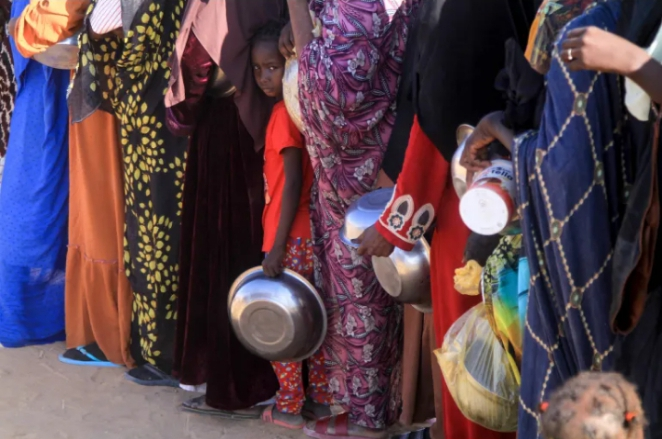
Internally displaced people describe living in overcrowded camps with scarce food, limited water, and inadequate shelter, reflecting a humanitarian disaster deepening with each passing month.
Health workers report rising cases of cholera, malnutrition, and untreated war injuries, worsened by medical shortages and repeated disruptions to essential supply routes crossing active frontlines.
Community leaders in northern Sudan urge international actors to prioritise humanitarian corridors, insisting that temporary ceasefires must accompany safe aid access for vulnerable communities trapped by warfare.
Analysts caution that Trump’s involvement alone will not resolve the conflict unless pressure targets both actors equally and addresses external contributors perpetuating the war’s prolonged stalemate.
Some regional diplomats welcome Trump’s anticipated engagement, hopeful his involvement could energise stalled diplomatic channels or restore coherence to fragmented mediation efforts.
Others remain cautious, warning that unpredictable political approaches could complicate delicate negotiations requiring sustained trust, neutrality, and coordinated international backing.
Rubio insisted the administration understands these concerns, stating Trump would prioritise stability and avoid actions undermining existing humanitarian or diplomatic frameworks.
US officials aim to re-engage African Union mechanisms, reflecting criticism that earlier negotiations excluded essential African participants with deeper regional understanding.
Experts argue a sustainable agreement requires credible monitoring, meaningful power-sharing commitments, and international guarantees preventing renewed violence after any eventual settlement.
Rubio affirmed that preparations continue, reiterating that Trump to join Sudan peace efforts marks a significant shift in Washington’s diplomatic posture toward the conflict.
Humanitarian organisations hope renewed international engagement might ease civilian suffering, though many remain cautious after years of unfulfilled promises and deteriorating security conditions.
Sudanese activists urge external actors to centre civilian protection, arguing previous negotiations prioritised armed groups while neglecting community voices demanding justice, safety, and political accountability.
International analysts emphasise that stopping the conflict requires addressing underlying power struggles, economic inequalities, and militia networks strengthened by years of political instability.
Rubio concluded by reaffirming the administration’s commitment, stating that Washington intends to pursue every diplomatic avenue to help Sudan find a path toward peace and national recovery.
Observers worldwide now await confirmation of Trump’s formal involvement, uncertain whether his entrance will revitalise stalled diplomacy or introduce new complexities into an already volatile crisis.
For millions of Sudanese civilians enduring hunger, displacement, and trauma, renewed engagement offers a rare glimmer of hope that meaningful peace may finally emerge.
About The Author


