A tragic plane crash has claimed the life of Ajit Pawar, the deputy chief minister of Maharashtra, one of India’s most influential states, according to the Directorate General of Civil Aviation (DGCA).
The accident occurred on Wednesday morning in Pawar’s home constituency of Baramati, leaving the nation in shock.
The aircraft, a Learjet 45 operated by VSR, had taken off from Mumbai and was reportedly attempting a second approach to Baramati Airport when it crash-landed around 8:45 a.m. local time (03:15 GMT).
Alongside Pawar, two of his staff and two crew members were also killed in the accident. The cause of the crash has not yet been officially confirmed.
FlightRadar, an online flight tracking service, indicated that the jet was descending for a second landing attempt when the accident occurred. Eyewitnesses described a horrifying scene: “When we rushed to the spot, the aircraft was on fire. There were four to five more explosions. People tried to pull the passengers out, but the fire was too intense,” one witness told The Times of India.
Ajit Pawar, 66, was a towering figure in Maharashtra politics. Nephew of veteran politician Sharad Pawar, founder of the Nationalist Congress Party (NCP), Ajit Pawar had cultivated his influence over decades through the grassroots cooperative movement, particularly in the state’s sugar belt.
Known for his ability to mobilize rural voters, he played a key role in state governance and coalition politics, serving as the second-highest elected official in Maharashtra under the government of Prime Minister Narendra Modi.
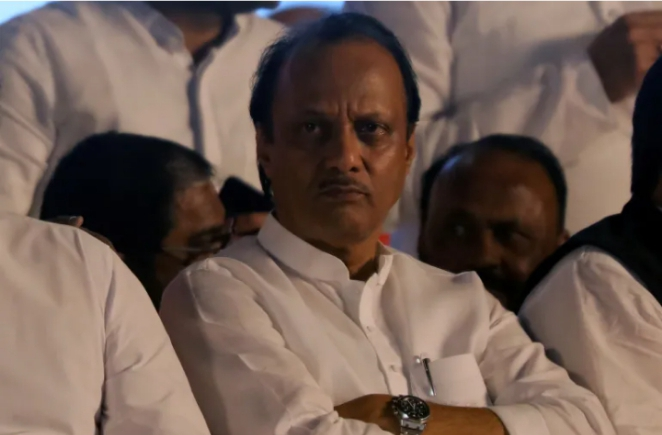
Modi expressed his grief over the loss of Pawar on X (formerly Twitter), calling his death “very shocking and saddening.” He added, “He was widely respected as a hardworking personality. His passion for the empowerment of the poor and the deprived was particularly noteworthy.”
The crash has sent shockwaves through Indian politics, where Pawar was widely regarded as a stabilizing figure in state leadership. Political analysts note that his absence will leave a significant vacuum in Maharashtra’s governance structure, potentially reshaping local electoral dynamics.
According to reports from The Times of India, Pawar was en route to attend a public rally for the Zilla Parishad elections, underscoring his continued engagement with grassroots politics. The rally was meant to consolidate his party’s influence in the region ahead of upcoming local elections.
The DGCA has stated that it will conduct a full investigation into the crash. Early reports from aviation officials indicate that weather conditions at the time were not particularly adverse, pointing to possible technical or operational factors.
A formal inquiry is expected to examine all potential causes, including mechanical failure, pilot error, and air traffic procedures.
This tragic incident is reminiscent of previous aviation accidents in India involving high-profile political figures, raising questions about the safety protocols for VIP flights. Aviation experts have called for a thorough review of flight operations for government officials to prevent similar tragedies in the future.
Beyond politics, Pawar’s death has personal and social ramifications. Known for his efforts in rural development, he championed initiatives in education, healthcare, and cooperative farming.
Tributes have poured in from local leaders, party colleagues, and citizens, highlighting his decades-long commitment to the welfare of ordinary people.
“The loss of Ajit Pawar is not just a political setback; it is a personal loss for millions who relied on his leadership and vision,” said a senior NCP leader. “His ability to bridge divides and work across communities was unmatched. Maharashtra has lost one of its finest leaders.”
The Nationalist Congress Party has announced that it will hold emergency meetings to discuss succession plans in the wake of Pawar’s death.
Analysts predict that this could trigger a broader realignment within the state’s political landscape, with implications for both local governance and national politics.
Ajit Pawar’s career was marked by a mix of electoral victories, coalition negotiations, and leadership in state cooperative movements.
He wielded considerable influence in Maharashtra’s sugar cooperatives, which are central to the state’s rural economy, and his support was considered crucial in mobilizing rural voters.
His strategies in election campaigns were often studied as a blueprint for grassroots political success in India.
International reactions to Pawar’s death have also emerged. Leaders from neighboring countries and political analysts have expressed condolences, noting his contributions to democratic governance and rural development.
The tragedy underscores the risks faced by political leaders who frequently travel across regions to maintain direct engagement with constituents.
The city of Baramati, where the crash occurred, has been plunged into mourning. Local authorities have deployed emergency services, and community members gathered at the site to pay their respects.
Rescue efforts were reportedly hindered by the intensity of the fire following the crash, which limited the possibility of saving passengers.
As investigations continue, the aviation industry in India is bracing for potential safety recommendations.
Read also: Ukraine war nears two million military casualties as Russia bears heaviest losses, study reveals
Lessons learned from the accident may influence future regulations, particularly regarding aircraft maintenance, pilot training, and operational protocols for flights carrying VIPs.
Ajit Pawar’s legacy will likely be remembered for his focus on rural empowerment and state governance. His untimely death at 66 leaves a gap in leadership that will be difficult to fill.
Political observers suggest that Maharashtra’s political map may see significant shifts in the coming months as parties adjust to this sudden and tragic loss.