Philippines President Chronic drug use allegations were rejected by officials, as mass protests against corruption expose mismanagement of flood-control projects and growing public dissatisfaction with government accountability.
Senator Imee Marcos, the president’s estranged sister, accused Ferdinand Marcos Jr of long-term cocaine use, claiming it compromised leadership and governance, igniting political controversy and a highly publicized family dispute.
Communications Undersecretary Claire Castro called the accusations baseless and recycled, emphasizing that the president is focused on fighting corruption and implementing transparency in governance, rather than addressing unverified claims.
Imee Marcos alleged that the president’s drug use began during his father’s administration and continued into his own presidency, undermining policy decisions and contributing to widespread inefficiency in government operations.
The senator also implicated Marcos Jr’s family, including his wife and children, in alleged drug use. No evidence was provided, raising questions about the motivation behind these public statements.
Castro criticized Imee for ignoring former President Rodrigo Duterte’s admitted past fentanyl use, emphasizing that personal accusations should not overshadow the urgent need to address government corruption.
During Marcos Jr’s 2021 presidential campaign, private hospital and national police laboratory reports confirmed negative tests for cocaine and methamphetamine, directly countering claims of chronic drug use.
The allegations emerge as the administration investigates a flood-control corruption scandal, with officials accused of embezzling billions of pesos, using substandard materials, or failing to complete critical infrastructure projects.
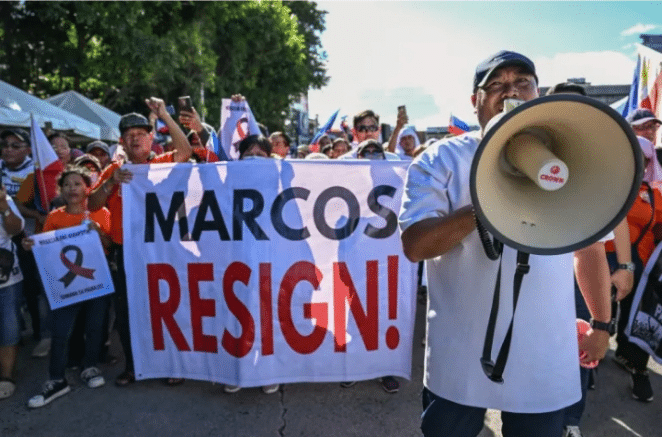
The Department of Finance estimates losses from corrupt flood-control projects at 118.5 billion pesos ($2 billion) between 2023 and 2025, severely impacting public funds and reducing trust in governmental institutions.
Recent natural disasters, including Typhoons Kalmaegi and Fung-wong, killed nearly 300 people and displaced millions, revealing how corruption and mismanagement exacerbate disaster response challenges in the Philippines.
Tens of thousands of protesters gathered in Manila demanding accountability from Marcos and political allies, with Iglesia ni Cristo organizing large demonstrations disrupting schools, roads, and government offices.
Marcos has promised officials involved in the scandal will face legal consequences by year-end, declaring, “They’ll be jailed – there’s no merry Christmas for them,” signaling a commitment to anti-corruption measures.
Despite a special investigative panel, nearly 100 days into the inquiry, no major arrests have been made, raising questions about enforcement effectiveness and the government’s capacity to hold officials accountable.
Political realignments complicate the scenario. After tensions with Vice President Sara Duterte, Iglesia ni Cristo reportedly shifted support away from Marcos, potentially affecting electoral influence and public perception ahead of upcoming elections.
Polls indicate more than 80 percent of Metro Manila residents believe corruption has worsened under Marcos’ administration, reflecting widespread dissatisfaction with governance, transparency, and accountability in public projects.
Observers note that rejecting Philippines President Chronic drug use allegations allows Marcos to redirect attention toward tangible corruption cases, emphasizing the need to prioritize investigations over unverified personal accusations.
Analysts suggest the familial dispute may intensify scrutiny on Marcos’ administration, particularly as ongoing protests and media coverage highlight mismanaged flood-control infrastructure and ineffective governance.
Opposition politicians stress that unverified personal claims should not overshadow concrete corruption cases, urging continued investigation and prosecution of officials misusing public funds to restore accountability and trust.
International observers monitor the Philippines closely, noting that mismanaged flood-control initiatives threaten economic stability and public safety, particularly during increasingly frequent typhoon and storm seasons across the region.
Marcos’ administration emphasizes that combating corruption is a priority, with communications officials affirming that the president is committed to enforcing accountability across all levels of government.
While protests persist, the government insists measures are underway to investigate ghost projects, hold responsible officials accountable, and safeguard public funds against misappropriation, reinforcing transparency initiatives.
Philippines President Chronic drug use allegations remain a media focal point, but analysts argue that corruption scandals, disaster preparedness, and governance effectiveness are the pressing challenges requiring urgent public attention.
Typhoon impacts illustrate the devastating consequences of mismanaged infrastructure and corruption, prompting demands for stronger oversight mechanisms and improved flood-control measures to prevent future human and economic losses.
Civil society and religious groups emphasize that public accountability and disaster management must go hand in hand, advocating for comprehensive anti-corruption measures alongside effective emergency response strategies.
Marcos’ response seeks to balance defending personal reputation with demonstrating governance effectiveness, as public expectations rise for transparent, accountable, and responsive leadership amid crises and political rivalries.
The government’s handling of allegations and corruption scandals will influence voter sentiment, public trust, and future policy implementation, as citizens demand ethical leadership and tangible reform outcomes in both infrastructure and governance.
Philippines President Chronic drug use claims may dominate headlines, but public debate underscores deeper systemic issues, including flood-control corruption, ineffective disaster management, and the urgent need for structural reforms.
Experts emphasize that addressing corruption while maintaining public confidence requires decisive action, transparent processes, and visible results, especially in infrastructure, disaster mitigation, and government accountability.
Protests organized by Iglesia ni Cristo and civic groups illustrate growing societal pressure for transparency, anti-corruption enforcement, and improvements in governance to protect public interests during emergencies.
Marcos’ administration must manage the tension between familial disputes, media scrutiny, and governance responsibilities, while demonstrating effectiveness in disaster management and anti-corruption initiatives to maintain credibility.
The Philippines continues to face environmental and political challenges, highlighting the importance of structural reforms, disaster preparedness, and robust anti-corruption mechanisms to prevent further economic losses and public harm.
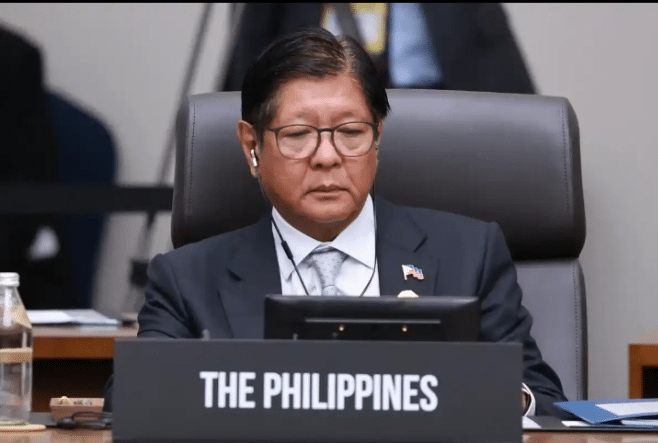
Philippines President Chronic drug use claims have been rejected, yet public attention remains fixated on mismanaged projects, political accountability, and the broader implications for governance and transparency across the nation.