

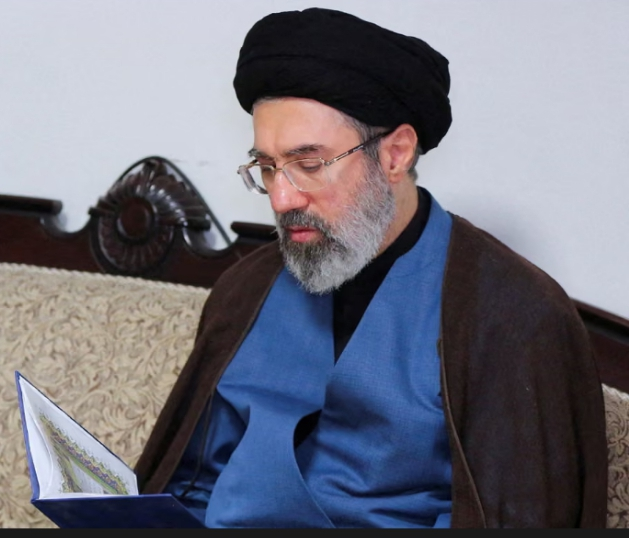
Mojtaba Khamenei named Iran Supreme Leader after the death of his father, marking a pivotal moment in Iran’s political leadership as regional tensions escalate and global energy markets react sharply to the deepening conflict.
Iranian state authorities confirmed that Mojtaba Khamenei, the son of the late Ali Khamenei, has assumed the country’s highest political and religious office.
His appointment comes amid a widening regional war involving Iran, Israel, Gulf states, and indirect United States involvement, dramatically reshaping Middle East geopolitics.
The leadership transition follows days of intense military escalation across the region. Iranian retaliatory operations and cross-border strikes have triggered heightened security alerts in several Gulf nations, with governments warning of further instability. Diplomatic channels remain strained as regional actors brace for prolonged confrontation.
Energy markets reacted immediately to the announcement and the expanding conflict. Oil prices climbed past $100 per barrel as traders assessed potential supply disruptions linked to instability around the strategically vital Strait of Hormuz, a corridor responsible for a significant share of global crude shipments.
Analysts warn that any sustained disruption could worsen inflation pressures worldwide.
Military activity continued across multiple fronts. In Lebanon, the Iran-backed militant group Hezbollah reported clashes with Israeli forces following alleged helicopter landings in the country’s eastern region. Israeli authorities have not immediately confirmed the operation, but regional media reported heavy exchanges of fire.
Elsewhere in the Gulf, infrastructure security has become a central concern. Bapco, Bahrain’s state oil company, declared force majeure after a reported strike on its refinery facilities, a move that could delay energy exports and tighten global supply. Thick smoke was observed rising from the refinery zone, according to witnesses.
Regional governments have issued strong diplomatic responses. Saudi Arabia condemned what it described as unjustifiable Iranian aggression against Gulf states and affirmed its right to defend national security and energy infrastructure. Several neighbouring countries have similarly increased military readiness.
Internationally, political leaders are weighing the economic consequences of prolonged instability. US president Donald Trump described the oil price spike as a “small price to pay” amid broader security concerns, though financial markets recorded sharp volatility following the escalation.
Humanitarian and civilian impacts are also growing. Governments across Asia and the Middle East have begun emergency planning to manage energy shortages, transportation disruptions, and possible refugee flows if the conflict widens further.
Analysts say the appointment of Mojtaba Khamenei signals leadership continuity within Iran’s clerical establishment but could also intensify international scrutiny. His perceived hardline posture may influence Tehran’s military and diplomatic strategies during a period of exceptional regional instability.
The evolving crisis places global energy security, regional alliances, and diplomatic efforts under severe strain as governments monitor Tehran’s next moves under its new leadership.
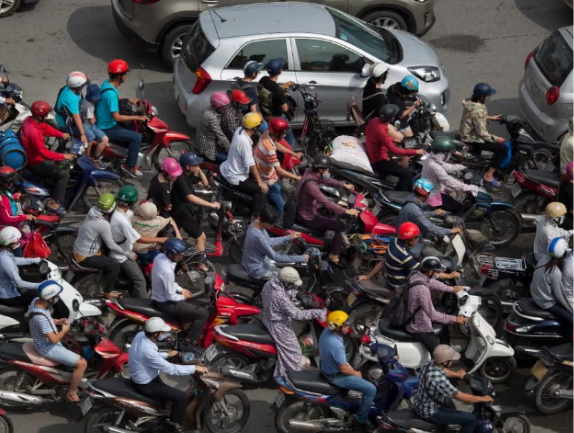
Rising crude costs are beginning to ripple across import-dependent economies, where higher fuel and transport expenses threaten to push food prices and basic goods upward.
Governments in Asia and parts of Europe are weighing emergency subsidies, strategic reserve releases, and temporary tax reductions to cushion households and businesses from inflation shocks.
Diplomatic efforts are also intensifying at the United Nations and among regional blocs seeking de-escalation corridors, humanitarian pauses, and protected energy transit routes.
Security analysts warn that without coordinated mediation, continued strikes on critical infrastructure could deepen market volatility and prolong uncertainty across global supply chains.
Read also: Israel Iran conflict escalates as Tehran oil depots burn and Israel threatens next Supreme leader
About The Author


