Reform UK leader Nigel Farage has appointed Cambridge University professor James Orr as a senior adviser, raising alarm over the party’s increasing alignment with extreme right-wing politics.
The James Orr appointment comes amid speculation that Reform UK is attempting to replicate elements of Donald Trump’s MAGA movement within the UK’s political landscape, leveraging transatlantic ideological influence.
Professor Orr, who heads the Centre for a Better Britain think tank, is widely known for his unwavering anti-abortion views and provocative language describing asylum seekers as “invaders.”
Reform UK’s recruitment of Orr follows the recent defection of right-wing MP Danny Kruger from the Conservatives, reflecting shared views on migration, national identity, and social policy with James Orr.
During the summer, both Orr and Kruger visited JD Vance in the UK, a close ally of former President Trump, in the lead-up to their formal roles within Reform UK and policy planning.
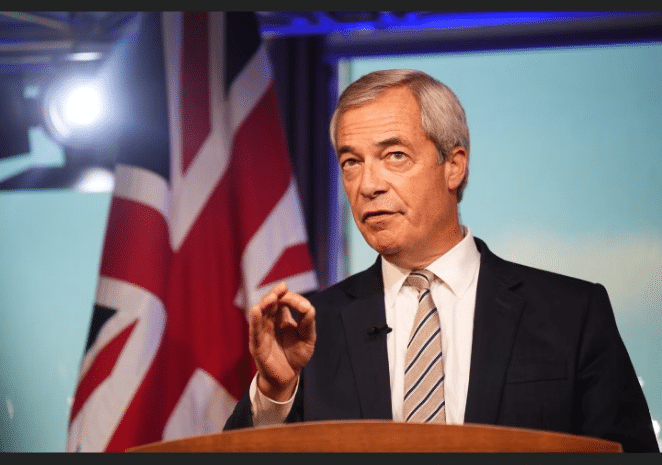
Sir Keir Starmer publicly denounced Reform UK’s migration proposals as “racist” and “immoral,” referencing the James Orr appointment and expressing concern over the importation of extreme US political ideas.
Labour politicians warned that the party’s embrace of figures like Orr underscores its alignment with ideological positions considered extreme even by contemporary right-wing standards.
Lib Dem deputy leader Daisy Cooper similarly criticized the appointment, suggesting that Farage’s recruitment of Orr demonstrates a deliberate attempt to introduce divisive MAGA-style politics into the UK.
Green Party leader Zack Polanski condemned the James Orr appointment as evidence of Reform UK adopting inflammatory right-wing policies, highlighting Orr’s anti-abortion stance and derogatory remarks about asylum seekers.
Reform UK has insisted that the party is not adopting an anti-abortion platform and that Orr’s role focuses on bringing elite talent into the party, despite his think tank advocating Trump-style policies.
Zia Yusuf, Reform’s head of policy, described James Orr as “a brilliant academic and thinker,” emphasizing that his advisory role would shape Reform UK’s future direction and attract like-minded experts.
Though not widely recognized in public circles, Orr’s influence in shaping the philosophical underpinnings of the Trump administration demonstrates the reach of his ideas beyond academic settings.
JD Vance, who once referred to Orr as his “British sherpa,” highlights the professor’s close personal and ideological connections with influential figures in US conservative politics.
Reform UK views Orr’s integration as part of a strategy to consolidate right-wing intellectual talent, reinforcing Nigel Farage’s vision of a party built on patriotism and conservative principles.
Observers suggest the James Orr appointment could redefine Reform UK’s public image, transforming it into a UK-based iteration of MAGA-style political ideology, focused on national identity and restrictive social policies.
Despite Reform UK’s insistence that Orr will focus on talent recruitment rather than policy enforcement, his previous writings suggest he will exert significant ideological influence on the party’s stance.
Political analysts warn that Reform UK’s embrace of Orr may intensify political polarization in Britain, particularly surrounding contentious issues such as abortion rights, migration, and state funding of public services.
Farage has framed Orr’s appointment as a step toward common sense and patriotism, suggesting the party will attract supporters who share traditionalist and nationalist perspectives within a conservative framework.
The James Orr appointment also highlights Reform UK’s ongoing effort to import intellectual and ideological frameworks from the US, signaling the party’s openness to international conservative thought.
Reform UK insists its strategy is centered on intellectual recruitment and expertise, yet critics argue that the James Orr appointment represents a broader ideological shift toward extreme right-wing politics.
By bringing Orr into its senior advisory team, Reform UK is actively signaling alignment with figures who have influenced MAGA policy, from anti-abortion legislation to restrictive immigration stances.
The party continues to face scrutiny over the potential impact of this ideological shift on British politics, with detractors warning that the James Orr appointment may embolden divisive political rhetoric.
Reform UK maintains that the integration of Orr is designed to strengthen policy development and attract like-minded individuals, emphasizing meritocracy rather than ideology as the guiding principle of recruitment.
Yet James Orr’s track record, including hosting National Conservatism conferences and authoring provocative opinion pieces, suggests a deliberate promotion of right-wing ideas within Reform UK’s strategic vision.
The James Orr appointment has become a focal point in discussions on the influence of US conservative politics on Britain, raising questions about the extent to which external ideologies will shape domestic policy debates.
As Reform UK continues to evolve, critics argue that appointments like Orr’s could shift the party further toward hardline social policies, potentially redefining its appeal among voters beyond traditional conservative bases.
Farage’s strategy emphasizes the dual role of Orr: advising on policy while attracting intellectual talent aligned with national conservatism, reinforcing the party’s ideological coherence in its pursuit of political influence.
The James Orr appointment underscores Reform UK’s willingness to incorporate controversial figures with polarizing views, signaling a more pronounced departure from mainstream British conservatism.
Labour, Liberal Democrats, and Green Party leaders collectively frame the appointment as evidence that Reform UK is importing US-style divisive politics, warning voters of the potential consequences of this transatlantic alignment.
Reform UK insists that Orr’s role will remain advisory, focusing on strategic planning rather than dictating legislative priorities, but public perception is increasingly shaped by his outspoken commentary.
The integration of James Orr into Reform UK’s leadership reflects a broader trend of importing American-style conservative ideas, demonstrating transatlantic ideological influence in shaping Britain’s political future.
Critics argue that appointments like Orr’s may intensify polarization around abortion, migration, and state service policies, while supporters view it as an effort to elevate informed conservative voices within Reform UK.
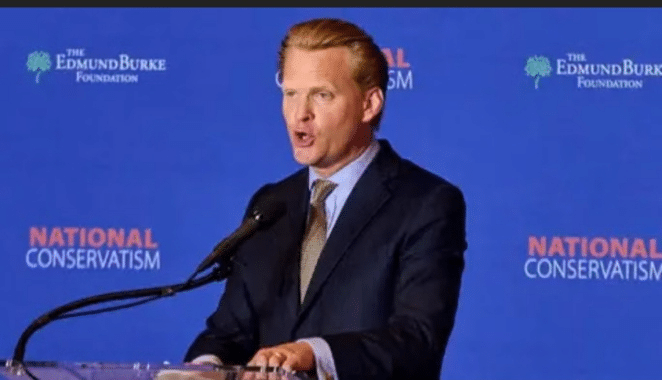
Farage frames the James Orr appointment as a commitment to patriotism and rational policy development, positioning the party as a hub for conservative intellectuals and a magnet for like-minded activists.
Ultimately, the James Orr appointment represents both an opportunity and a risk for Reform UK: attracting talent while potentially alienating voters concerned about the party’s alignment with divisive right-wing ideologies.
About The Author