Zelenskyy urges allies against appeasing Russia
Ukraine’s president, Volodymyr Zelenskyy, has issued a stark warning to international allies after returning from Washington, where efforts to secure Tomahawk cruise missiles from the United States fell short.
Speaking publicly, Zelenskyy urges allies against appeasing Russia, emphasizing that concessions to Moscow would embolden further aggression and prolong the Ukraine war, leaving civilians exposed to ongoing attacks.
The Ukrainian leader traveled to the US hoping to leverage Donald Trump’s post-Alaska summit frustration with Russian President Vladimir Putin, anticipating a more favorable response regarding missile supplies.
Despite Zelenskyy’s efforts, the White House declined to provide long-range Tomahawk cruise missiles, instead highlighting fresh diplomatic initiatives tied to recent peace developments in Gaza and broader regional stability.
“Ukraine will never grant terrorists any bounty for their crimes,” Zelenskyy wrote on social media, underscoring the moral imperative for allies to maintain firm support against Russian aggression.
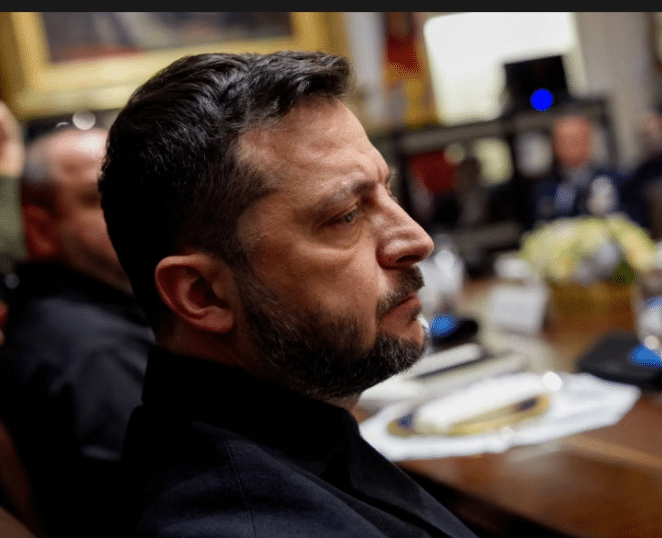
The president called for decisive steps from both European and American partners, suggesting another convening of the European-led coalition of the willing to coordinate strategic responses to Russia’s advances.
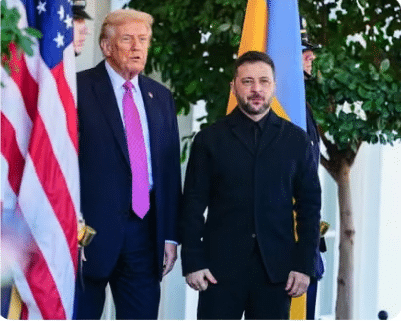
Donald Trump, after meeting Zelenskyy at the White House, described the discussions as “cordial” and “interesting,” while reiterating that a negotiated deal between Russia and Ukraine remains a priority.
Trump’s statement emphasized his belief that it is time to stop the killing, framing diplomacy as the pathway to peace rather than further escalation in missile supply debates.
Meanwhile, Moscow has intensified attacks on Ukraine’s civilian infrastructure, with thousands left without heating and electricity as the harsh winter approaches, highlighting the urgency of international military support.
Zelenskyy noted that Russian forces recently deployed more than 3,270 attack drones, 1,370 guided bombs, and nearly 50 missiles, reflecting a sustained campaign against Ukrainian cities and energy facilities.
On Sunday alone, two civilians were killed and over a dozen injured in eastern Ukraine, demonstrating the persistent threat to ordinary citizens despite global attention on diplomatic talks.
Ukraine has not remained passive, escalating its strikes on Russian western border regions and targeting key oil and gas facilities, signaling a strategic counteroffensive in the ongoing Ukraine war.
A drone strike on Sunday forced a Gazprom plant in Orenburg to halt refining from Kazakhstan’s Karachaganak oil and gas field, impacting supplies for both Russian and international energy markets.
Western firms, including Shell, Eni, and Chevron, hold majority stakes in the Karachaganak field, meaning disruptions have broader implications beyond regional security, affecting global energy flows and investor confidence.
The Russian army claims to have captured two villages in Donetsk and Zaporizhzhia regions, a move Zelenskyy characterized as opportunistic amid ongoing diplomatic discussions, reinforcing his message to allies against appeasing Russia.
Zelenskyy urges renewed unity within the European-led coalition, stressing that collective action is crucial to prevent further territorial gains by Russian forces and to protect civilian populations from indiscriminate attacks.
Diplomatic efforts continue, as Trump has indicated plans to meet Putin in Budapest, potentially opening avenues for negotiation while Zelenskyy presses for military support to maintain Ukraine’s defensive capabilities.
Observers note that the US decision to withhold Tomahawk cruise missiles may reflect a balancing act between supporting Ukraine and pursuing new diplomatic leverage over Russia in the context of wider geopolitical negotiations.
European allies, meanwhile, face growing pressure to provide both military and economic support, as Zelenskyy underscores that half-measures or appeasement could prolong the Ukraine war and exacerbate humanitarian crises.
The president has also highlighted the importance of coordinating sanctions and energy security strategies with NATO partners, framing a unified approach as essential to counter Russia’s sustained campaign of aggression.
Zelenskyy’s call for action resonates amid increasing civilian casualties and infrastructure damage, reinforcing the urgency of allied intervention to stabilize Ukraine before winter deepens humanitarian risks.
International experts warn that continued inaction could embolden Russia to escalate drone attacks and missile strikes, placing energy, transport, and healthcare systems in critical jeopardy across the region.
The Ukrainian leader’s advocacy underscores the strategic importance of long-range Tomahawk cruise missiles, which could enhance Kyiv’s ability to counter deep Russian strikes and protect population centers.
Despite the setback in Washington, Zelenskyy remains determined to rally support from Europe and beyond, arguing that robust military aid is indispensable for maintaining Ukraine’s sovereignty and territorial integrity.
Trump’s outreach to Putin may provide a diplomatic window, but Zelenskyy urges that dialogue cannot replace decisive action by allies, reinforcing the main focus that appeasement would compromise Ukraine’s defense.
Military analysts note that Europe-led coordination is pivotal, as targeted support can prevent further escalation while ensuring that Ukraine’s strikes on Russian infrastructure are precise and impactful.
Zelenskyy’s statements highlight the intersection of military necessity and diplomacy, emphasizing that strategic pressure on Moscow is necessary alongside any peace talks brokered by global powers.
With winter approaching, energy disruptions remain a critical concern, making the Ukrainian plea for comprehensive allied engagement urgent and directly tied to preventing a humanitarian disaster.
The European-led coalition of the willing, Zelenskyy suggests, should intensify planning for coordinated defense, humanitarian support, and sanctions enforcement, demonstrating a clear rejection of policies that might appease Russia.
As Trump signals potential negotiations with Putin, Zelenskyy’s insistence on military reinforcement sends a message: allies must act decisively to prevent Russia from exploiting diplomatic openings without concessions.
Analysts warn that without immediate action, Russia could consolidate territorial gains while degrading Ukraine’s infrastructure, underlining the president’s focus on mobilizing the coalition against appeasement strategies.
Zelenskyy continues to engage with international media, reinforcing public understanding of the stakes and ensuring that the narrative of Ukraine’s defense remains central in global discourse on the war.
The president’s approach combines diplomatic outreach with a clear insistence on military readiness, highlighting that the Ukraine war’s resolution depends on both international cooperation and sustained defense capabilities.
Observers note that Zelenskyy’s strategy is to maintain momentum, using setbacks like the cruise missile refusal to rally allies and underscore that appeasing Russia is both strategically unsound and morally unacceptable.
With global attention divided between crises, from Gaza to energy markets, Zelenskyy urges allies not to lose focus on Ukraine, reiterating that cohesive action remains the most effective deterrent against Russian aggression.
Zelenskyy urges allies against appeasing Russia, summing up his position that only sustained, coordinated international support can safeguard Ukraine’s sovereignty and prevent further escalation of the ongoing Ukraine war.