In Netflix’s Frankenstein, Guillermo del Toro reimagines Mary Shelley’s classic as a haunting meditation on hacking death, science, and the inevitability of fate.
Netflix’s Frankenstein is not just another gothic horror, it is an existential mirror held up to humanity’s obsession with immortality. Guillermo del Toro’s adaptation revives Mary Shelley’s 19th-century masterpiece, transforming it into a visually mesmerizing and emotionally devastating exploration of what happens when science dares to trespass upon the sacred boundary of death. In its imagery, its silence, and its sorrow, Netflix’s Frankenstein questions whether conquering death is victoryor the beginning of damnation.
The myth of hacking death and the ambition of science
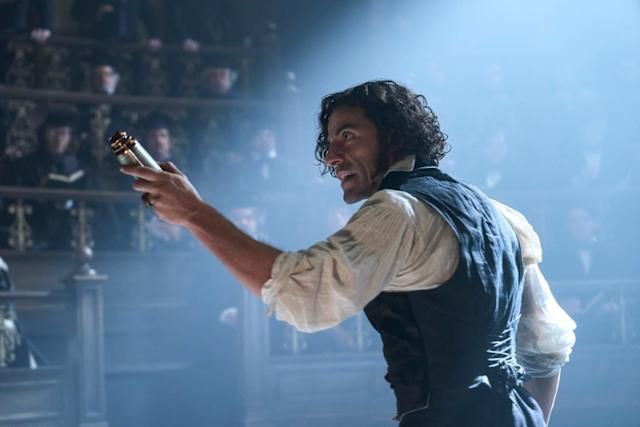
At its heart, Netflix’s Frankenstein revisits the eternal myth of hacking death; humanity’s desperate attempt to outwit mortality. Oscar Isaac’s Victor Frankenstein is not merely a scientist; he is a modern Prometheus, burning with the desire to seize divine power. Just as Shelley’s novel warned, his victory is poisoned. The creature’s first breath feels less like creation than theft, a crime against the natural order.
Through haunting visuals of wires, corpses, and lightning, del Toro paints science not as progress, but as punishment. Every pulse of electricity in Victor’s laboratory is a heartbeat stolen from death itself. In this reimagining, Netflix’s Frankenstein shows that the true horror is not the monster but the human need to transcend the limits of science and mortality.
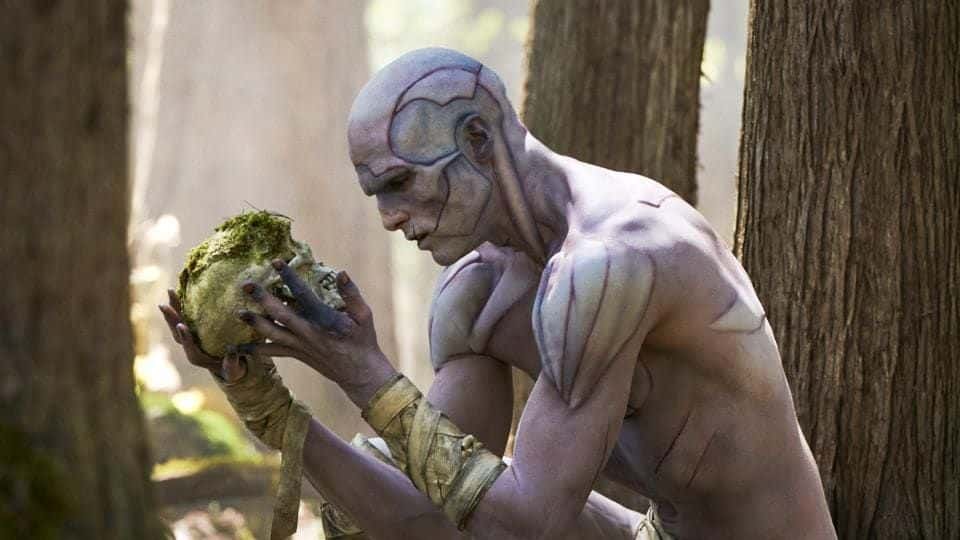
Netflix/Ken Woroner
Resignation to death: The unreachable peace
Where Shelley’s novel implies the tragedy of ambition, del Toro’s film externalizes it. The creature, portrayed by Jacob Elordi, is a paradox, alive yet unable to live, yearning for the one thing denied him: death. Immortality becomes his curse. In Netflix’s Frankenstein, death is no longer the enemy; it is a mercy withheld.
This inversion gives the film philosophical gravity. Victor’s desire to abolish death becomes the very force that ruins him. The creature, once pitied, now stands as the embodiment of what happens when the limits of science are ignored, when life is forced to exist beyond its natural end. The viewer feels the futility of denying the inevitable, realizing that the true rebellion is not in cheating death but in accepting it.
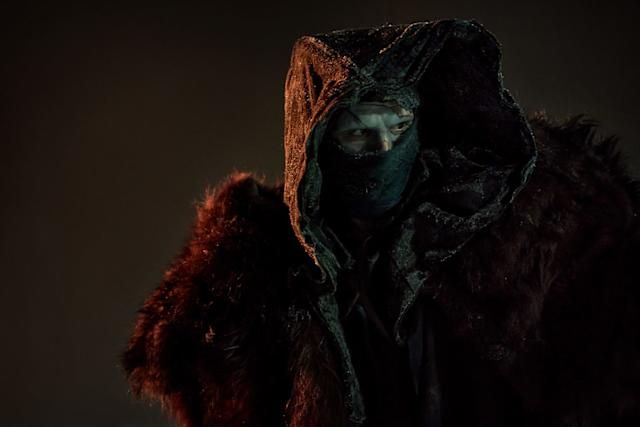
Plot and Structure: A Symphony of Tragedy
Del Toro structures Netflix’s Frankenstein much like Shelley’s novel through layers of recollection and pursuit but infuses each frame with operatic emotion. We move from Victor’s childhood trauma to his catastrophic experiment, to the creature’s lonely pilgrimage through rejection and rage.
The Arctic framing returns, echoing the novel’s Walton letters, but here the ice is not only physical, it is emotional isolation, the frozen heart of human arrogance. Each death, each betrayal, reinforces the film’s argument: that hacking death severs us from life itself. The creature’s cry for companionship becomes a plea not for life, but for release.
In contrast, Shelley’s book leaves death as a natural bookend—tragic yet necessary. Del Toro’s version suggests that to be human is to die; to be immortal is to suffer without meaning.
Comparing the adaptation: Fidelity and departure
As a Mary Shelley adaptation, the film honors the novel’s essence but dares to deepen its mythos. Shelley wrote of enlightenment and responsibility; del Toro writes of resurrection and remorse. Both warn of the same fate: science without humility births monsters.
In the book, Victor’s obsession isolates him. In the film, it annihilates him. The creature in Shelley’s tale seeks understanding; in the movie, he seeks the peace of mortality. By turning immortality into torment, Netflix’s Frankenstein reframes the myth of immortality not as triumph but as exile.
Visually, del Toro’s gothic imagery, stormlight, decay, rebirth, serves as philosophy in motion. Every frame reminds us that the boundary between creator and creation, life and death, science and soul, is perilously thin.
Introspection: Accepting the inevitability of death
What lingers after Netflix’s Frankenstein ends is not fear, but grief. The grief of knowing that science can resurrect flesh but not meaning; that ambition can light the sky but cannot warm the heart. Del Toro’s film is not simply horror, it is lamentation.

When the creature stands over his creator’s body, it is the ultimate irony: the man who refused to die is dead, and the being who should never have lived cannot. Netflix’s Frankenstein thus becomes a meditation on the tragedy of survival. To live forever, it suggests, is to watch everything you love decay.
By the film’s conclusion, we understand what Shelley understood two centuries ago: that death, far from being an enemy, is our final act of mercy. Science may illuminate, but it cannot redeem.
Netflix’s Frankenstein is a masterwork of myth and melancholy, a poetic reckoning with the arrogance of creation and the futility of conquering death. It bridges Shelley’s philosophical subtlety with modern cinematic grandeur, showing that every attempt to master mortality only deepens the wound of existence.
In the end, Netflix’s Frankenstein is not a film about monsters, it is a film about us: creators, destroyers, mortals haunted by the illusion that we might one day escape our own end.
Read more news at: ireport247news.com
About The Author