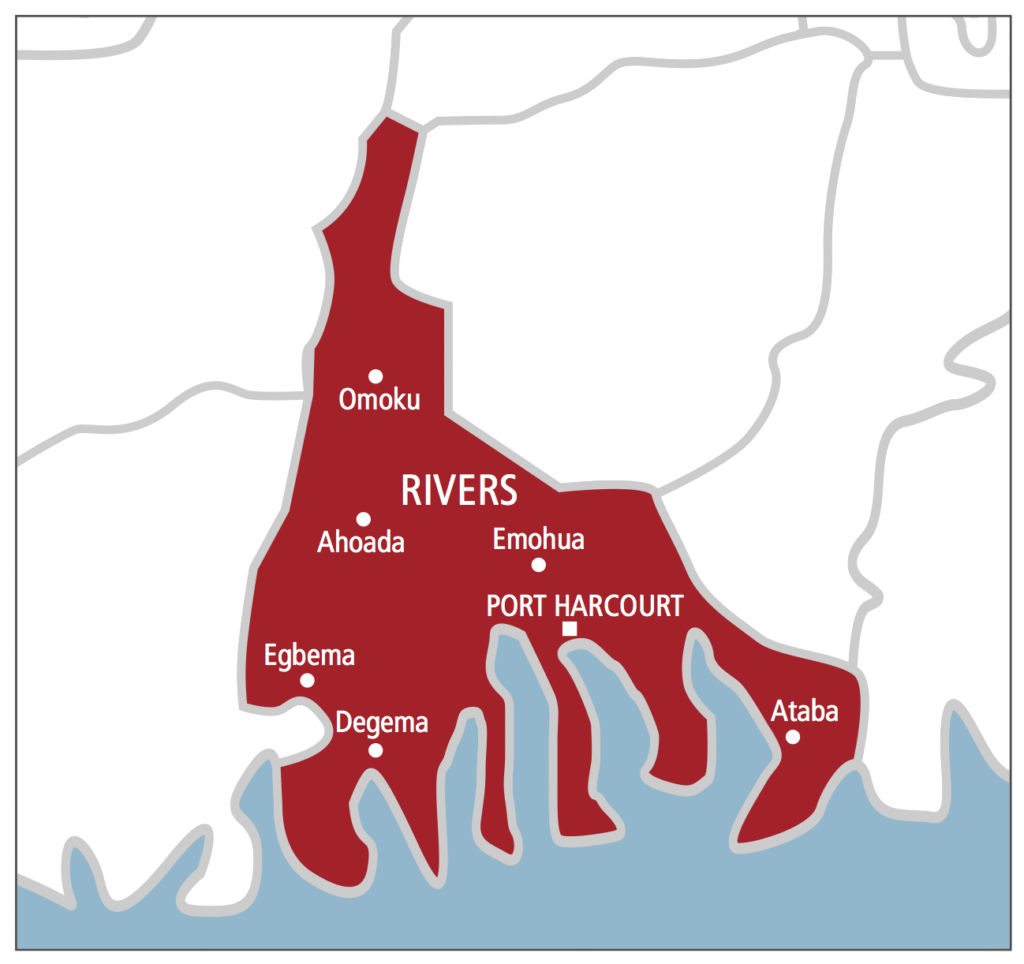
The Nasarawa State Police Command has confirmed a horrifying case of mob lynching in Keffi, the state capital, where a man identified as Samalia Zaria was brutally killed by an angry crowd.
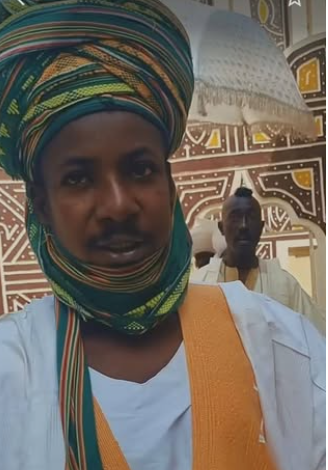
The suspect was accused of murdering a young boy and removing his eyes, an allegation that sparked outrage in the Tsohon Kasuwa area of the town on Thursday, February 5, 2026.
According to police sources, Zaria, who had previously worked as a guard at the Keffi Emirate Palace, had been taken into custody by a local vigilante group following the discovery of the boy’s body.
The deceased, identified as Aliyu Muhammadu Lawal, was found in a pit in a neighboring compound with his eyes removed, his neck cut, and visible signs of strangulation.
The vigilante group, which initially detained Zaria, reportedly informed the police about the arrest.
However, before the officers could reach the scene, an irate mob stormed the vigilante office, vandalized property, and took the law into their own hands by lynching the suspect.
The chaos continued as the mob reportedly attacked the arriving police team, injuring several officers and damaging patrol vehicles.
The spokesperson for the Nasarawa State Police Command, SP Ramhan Nansel, confirmed that the command received a distress call around 12:30 pm from Dogara Garba, the vigilante commander of Sabon Kasuwa.
“We were informed that a suspect had been arrested in connection with the killing of a boy.
“Unfortunately, before our officers arrived, the crowd had overpowered the vigilantes, vandalized the office, and killed the suspect,” he said.
SP Nansel added that police later restored calm, evacuated the burnt body, and deposited it at the General Hospital in Keffi.
Investigations are ongoing to determine the exact circumstances surrounding both deaths.
Residents of Keffi expressed shock and condemnation over the mob lynching, describing it as unprecedented in the town’s history.
The father of the deceased boy, Muhammadu Lawal, recounted that he had previously been in dispute with Zaria over alleged noise disturbances at night.
He, however, said he could not confirm if the conflict contributed to the tragic events and left the matter to God.
“I had been in conflict with this person because he was disturbing us with loud sounds at night.
“I cannot say if our past disagreement is connected to what happened to my son. I leave that to God,” he said, his voice heavy with grief.
Lawal further described discovering his son’s mutilated body in a pit, noting the gruesome removal of the eyes and the signs of strangulation and neck injury.
Local authorities also weighed in on the incident. Yahaya Ladan Shafale, a traditional titleholder in Keffi known as Kakakin Sarkin Keffi, confirmed that Zaria had been relieved of his duties at the palace prior to the incident.
He condemned the lynching, describing it as shocking and unprecedented for the community.
“We condemn this incident, which we have never witnessed in our community. Keffi is a historic town, and we pray such events will not happen again,” Shafale said.
He called for calm and urged residents to allow law enforcement to handle the matter according to due process.
The incident has sparked wider conversations on community security and the role of vigilante groups in Nasarawa State.
Residents have called for justice, insisting that those responsible for taking the law into their own hands through mob lynching should face appropriate legal consequences.
Observers noted that while community vigilance is important, mob justice undermines the rule of law and often results in further tragedy.
Police authorities have reassured the public that they are conducting a thorough investigation into the boy’s death and the circumstances surrounding the mob lynching of Zaria.
SP Nansel stated that all leads would be pursued, emphasizing that the police are committed to upholding law and order while ensuring that justice is served.
The tragic incident highlights the tension between local vigilante operations and formal law enforcement, raising critical questions about public trust in the police and the risks associated with mob lynching in urban and semi-urban communities.
While vigilante groups often assist in maintaining local security, incidents like this demonstrate the dangers of uncoordinated or emotionally driven actions by members of the community.
Residents have urged authorities to implement stronger preventive measures to ensure that such violent episodes do not recur.
Many also called for community awareness campaigns on the dangers of mob lynching, stressing that due process and legal investigations remain the only legitimate channels for addressing crime.
As investigations continue, the Nasarawa State Police Command has appealed to the public to remain calm and allow law enforcement agencies to carry out their work.
Authorities have assured that those found culpable in the mob action will face prosecution under the law.
The shocking events in Keffi serve as a reminder of the destructive potential of mob lynching and the urgent need for community cooperation with police authorities.
Residents and traditional leaders alike have called for a collective effort to prevent future tragedies and uphold the principles of justice, law, and order.
Ireport247news
About The Author