Living and managing diabetes can sometimes feel like a full-time job. Between checking your blood sugar, watching what you eat, and remembering your medication, it’s easy to feel overwhelmed. But here’s the good news: managing diabetes doesn’t have to take over your life.
It’s all about balance, consistency, and self-awareness. When you understand what affects your blood sugar — like food, activity, stress, and sleep — you gain control. With the right mindset and habits, you can live confidently, stay healthy, and enjoy every day to the fullest.
Let’s explore exactly what you should do to keep your diabetes in check and your body feeling its best.
Build a Strong Partnership With Your Healthcare Team
Diabetes care works best when you’re not doing it alone. Your healthcare team — doctor, diabetes educator, nurse, pharmacist, and dietitian — are there to guide and support you.
Why this matters
Managing diabetes involves more than blood sugar checks. It’s about preventing complications like heart disease, nerve damage, kidney problems, and vision loss. Regular check-ups help spot small issues before they become big problems.
What you should do
Visit your doctor at least twice a year for a full diabetes review.
- Discuss your numbers: Bring your glucose readings, weight changes, and blood pressure readings.
- Ask questions: If you don’t understand something, speak up. You’re the most important person on your care team.
- See specialists: Get an eye exam once a year, and have your feet checked at each visit for any numbness or sores.
- Pro tip: Keep a small notebook or use an app to track your readings, meal notes, and energy levels. This makes it easier for your doctor to tailor your treatment.
Eat Smart — Balance Is Everything
What you eat has the biggest impact on your blood sugar. But eating for diabetes doesn’t mean eating “boring.” It’s about choosing foods that give you energy, nourish your body, and keep your glucose steady.
Understanding carbs
- Carbohydrates (carbs) turn into sugar in your blood — but you still need them! The key is to choose complex carbs like oats, brown rice, sweet potatoes, and beans. These break down slowly and prevent sugar spikes.
- Avoid simple carbs found in white bread, sugary drinks, pastries, and candy — they cause blood sugar to rise fast and crash quickly.
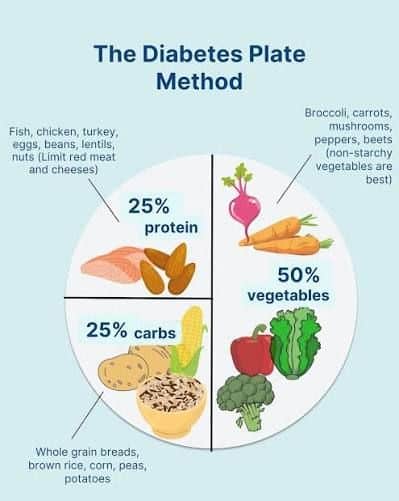
The balanced plate
A simple way to plan meals:
- 🥦 ½ plate: Non-starchy vegetables (broccoli, spinach, carrots, tomatoes).
- 🍗 ¼ plate: Lean proteins (chicken, fish, eggs, tofu, lentils).
- 🍚 ¼ plate: Whole grains or starchy vegetables (brown rice, quinoa, corn, sweet potato).
Add a small serving of healthy fats like avocado or olive oil — they help you stay full longer.
Tips for success
- Eat at regular times each day.
- Don’t skip breakfast — it helps stabilize your glucose all day.
- Drink water instead of sugary drinks or juice.
- Read food labels to check for hidden sugars.
Stay Active and Keep Moving
Exercise is one of the most powerful tools for managing diabetes — and you don’t have to run marathons to see the benefits. Physical activity helps your body use insulin better, lowers blood sugar, and improves mood and sleep.
How much you need
Aim for at least 150 minutes of moderate exercise per week — about 30 minutes a day, five days a week.
Best types of exercise
- Aerobic activities: Walking, cycling, swimming, dancing, or jogging.
- Strength training: Lifting light weights or using resistance bands builds muscle and helps your body use glucose more efficiently.
- Flexibility and balance: Yoga, stretching, and tai chi reduce stress and improve circulation.
Make it fun
You’re more likely to stick with an activity you enjoy. Try walking with a friend, gardening, or taking a dance class. Even cleaning or climbing stairs counts as movement!
Safety reminder: Always carry a quick source of sugar (like glucose tablets or fruit juice) if you take insulin or medication that can cause low blood sugar. Check your levels before and after workouts.

Take Your Medications Correctly
If your doctor has prescribed insulin or oral medications, taking them correctly is crucial for managing diabetes. Missing doses or taking them inconsistently can lead to high or low blood sugar, which affects your energy, focus, and long-term health.
Smart medication habits
- Take medicine at the same time each day.
- Keep a small reminder on your phone or a sticky note on your fridge.
- Store insulin properly (in the fridge, away from sunlight).
- Carry your medications when you travel.
If you ever feel dizzy, sweaty, shaky, or confused, your blood sugar might be low (hypoglycemia). Treat it right away with 15 grams of fast-acting carbs — like ½ cup of juice or glucose tablets.
💬 Remember: Never adjust your medication without consulting your doctor first. Diabetes management is highly individual — what works for one person might not work for another.

Monitor Your Blood Sugar Regularly
Your blood sugar monitor is your best feedback tool. Checking your levels helps you understand how your body reacts to food, stress, and exercise — and whether your treatment plan is working.
How often to check
- If you use insulin: 3–6 times a day or as your doctor advises.
- If you take oral medicine: Often 1–2 times a day or a few times per week.
Target blood sugar levels
- Before meals: 80–130 mg/dL (4.4–7.2 mmol/L)
- 2 hours after meals: Below 180 mg/dL (10 mmol/L)
Keep a log or use a diabetes app to track your readings. Over time, patterns will emerge — like higher levels after certain foods or during stress — that help you adjust your routine.

Manage Stress and Get Quality Sleep
Your mental health affects your blood sugar more than you might think. When you’re stressed, your body releases cortisol — a hormone that raises glucose levels.
Stress-busting tips
- Practice deep breathing for 5 minutes a day.
- Meditate or use mindfulness apps like Calm or Headspace.
- Spend time outdoors or with supportive friends.
- Join a diabetes support group — sharing your journey helps reduce isolation.
Sleep and blood sugar
Sleep deprivation makes it harder to control blood sugar. Aim for 7–9 hours of quality sleep each night. Try to sleep and wake at consistent times and avoid screens before bed.
- Wind-down idea: Read a book, stretch gently, or sip herbal tea instead of scrolling your phone before sleep.
Know the Warning Signs and When to Get Help
Even when you’re doing everything right, there may be times your blood sugar gets too high or too low. Knowing the warning signs helps you respond quickly and stay safe.
Signs of high blood sugar (hyperglycemia)
- Frequent urination
- Excessive thirst
- Fatigue
- Blurry vision
Signs of low blood sugar (hypoglycemia)
Shakiness or sweating
Confusion or irritability
Dizziness or hunger
Fast heartbeat
If you feel “off,” check your blood sugar immediately.
If levels are dangerously high or you experience vomiting, blurred vision, or confusion, seek medical help right away.

Conclusion: You’re in Control
Managing diabetes isn’t about perfection — it’s about progress and awareness. Every choice you make — the food you eat, the steps you take, the sleep you get, and the way you handle stress — shapes your health.
By focusing on small, sustainable habits, you can prevent complications, stay energetic, and live the life you love. Remember: diabetes may be part of your story, but it doesn’t define who you are. With consistency and care, you’re in control of your health and your future.
“Share your best diabetes management tip in the comments below!”
More news at Ireport247news
About The Author