

Governor Inuwa Yahaya grieves five teenage girls killed in a tragic boat mishap in Nafada, urging enforcement of water transport safety regulations.
The people of Gombe State have been thrown into deep mourning following a boat mishap in Nafada that claimed the lives of five teenage girls.
The tragic event has left the Nafada community in despair and renewed public calls for better water transport safety measures across the state.
According to eyewitnesses, the boat mishap in Nafada occurred on Saturday evening when a passenger boat carrying young girls capsized midstream.
Despite rescue efforts from local divers, five passengers were confirmed dead. The victims were identified as Najib Ibrahim (18), Hauwa’u Dogal (15), Ummati Baraya (16), Umaira Gidado (16), and Amina Jaliya (15) — all residents of Nafada town.
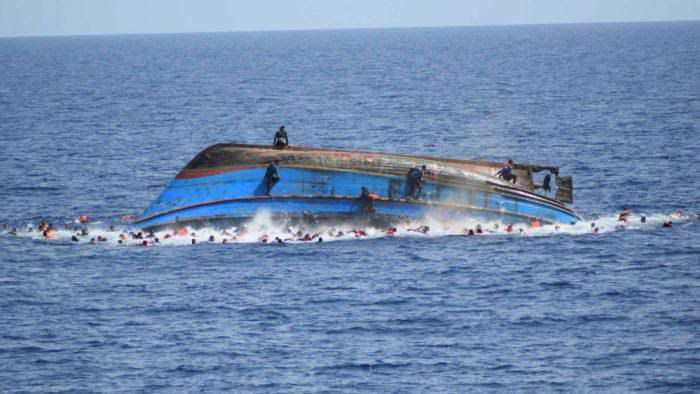
The accident sent shockwaves through the riverside community. Families, friends, and neighbors gathered in grief as the bodies of the girls were recovered, wrapped, and laid to rest in emotional funerals. Many residents described the tragedy as one of the darkest moments in the community’s history.
Reacting to the heartbreaking news, Gombe State Governor, Inuwa Yahaya, expressed deep sadness over the boat mishap in Nafada, calling it a painful and devastating loss.
In a statement released through his media aide, Ismaila Uba-Misilli, on Sunday, October 26, Yahaya said the deaths were particularly tragic because of the victims’ young ages and the promise their lives once held.
“This tragic boat mishap in Nafada has cut short the lives of bright and promising young girls,” the governor said.
“It is a painful experience not only for their families but also for our entire state. We share in their grief and extend our prayers for comfort and peace.”
Yahaya prayed for the repose of the souls of the deceased and asked God to grant their families the fortitude to bear the loss. He extended his condolences to the parents, relatives, and the entire Nafada community, assuring them of the state government’s support in this time of sorrow.
In his condolence message, the governor emphasized that the boat mishap in Nafada serves as a wake-up call for stricter adherence to safety standards in water transportation.
He lamented the recurring incidents of boat accidents in riverine areas and urged stakeholders to take immediate action to prevent further loss of lives.
Governor Yahaya called on local councils, community leaders, boat operators, and regulatory authorities to enforce safety protocols, including the use of life jackets, proper boat maintenance, and passenger limits.
He also ordered a full review of safety measures in all waterways across Gombe State to ensure that such tragedies never happen again.
“Water transport remains essential for our communities, but safety must always come first,” Yahaya stated.
“We cannot continue to lose our children and loved ones to accidents that could have been avoided through responsibility and regulation.”
He further directed the State Emergency Management Agency (SEMA) and the Nafada Local Government Council to provide relief materials, counseling, and other forms of assistance to the bereaved families.
In the aftermath of the boat mishap in Nafada, community members have urged the government to introduce tougher safety oversight and regular inspections of all local boats. Many residents complained that most vessels operating in the area are old, poorly maintained, and often overloaded beyond capacity.
A community leader, Alhaji Bala Nafada, said, “This boat mishap in Nafada is not the first, and it won’t be the last unless the government enforces proper safety measures. Every rainy season, we bury loved ones because of preventable accidents. It must stop.”
Residents also appealed for modern rescue equipment and the training of local divers who often serve as first responders during emergencies.
Maritime experts have pointed out that the boat mishap in Nafada reflects a wider national problem of weak regulation in inland waterways. Many states in Nigeria lack adequate safety laws, enforcement mechanisms, and trained inspectors for water transport systems.
According to them, the federal and state governments must collaborate with the National Inland Waterways Authority (NIWA) to develop a comprehensive framework that includes safety education, regular inspection, and community awareness.
“Beyond condolences, what Nigeria needs is a proactive safety culture,” said Dr. Bashir Yusuff, a water transport safety consultant. “Governors like Yahaya can lead the way by making life jackets mandatory, training boat operators, and funding local rescue services.”
As Gombe mourns, the boat mishap in Nafada has become a powerful reminder of the fragility of life and the need for collective vigilance. While families mourn their daughters, the incident has also united the community in demanding accountability and reform.
Governor Yahaya’s swift response has been widely praised, but residents insist that words must be followed by action. They call for the implementation of lasting safety policies and continuous monitoring of boats plying local waterways.
For many, the tragedy is not only about grief but also about change. The victims’ names — Najib, Hauwa’u, Ummati, Umaira, and Amina — now symbolize a painful lesson that could lead to safer transportation for thousands of people who rely on river travel daily.
The boat mishap in Nafada will forever remain etched in the memories of Gombe people — a tragic event that revealed both the community’s pain and its resilience.
Through empathy, responsibility, and reform, the state hopes to transform this sorrowful chapter into a turning point for safer water travel in Nigeria.
More news at ireport247news
About The Author


