Kano Emirate dispute moves toward resolution as state government outlines peace steps, legal strategy, and stakeholder dialogue to stabilize Kano leadership crisis.
The Kano State Government says it is making steady progress toward ending the Emirate dispute, assuring residents that structured negotiations and lawful procedures are being used to settle the long-running royal leadership crisis.

Officials insist that restoring calm and institutional clarity around the throne remains a top priority and that decisive steps are already in motion behind the scenes.
This position was restated by the Commissioner for Information and Internal Affairs, Ibrahim Waiya, during a media briefing in Kano where he addressed multiple state matters, including the governor’s recent political realignment.
While responding to reporters’ questions, Waiya explained that the administration is carefully balancing respect for tradition, judicial authority, and public order as it works toward closing the chapter on the Kano Emirate dispute.
According to him, the government’s strategy relies heavily on dialogue among stakeholders, legal compliance, and conflict-sensitive engagement with community leaders.
He stressed that the objective is not only to determine rightful authority but also to ensure that the process does not deepen divisions among residents or weaken trust in traditional institutions.
He added that the state is determined to prevent the Kano Emirate dispute from overshadowing governance and development programs.
The roots of the crisis go back several administrations. Muhammadu Sanusi II first became Emir of Kano during the tenure of former Governor Rabiu Kwankwaso.
His reign later ended under Governor Abdullahi Ganduje, who removed him from office and installed Aminu Ado Bayero as emir.
That same administration also restructured the traditional system by establishing four additional first-class emirates, significantly altering the historic emirate framework.
Those structural changes were reversed in May 2024 when the current administration enacted a repeal law that dissolved the newly created emirate councils. Through that legal instrument, Sanusi II was returned to the throne.
The move immediately reignited the Kano Emirate dispute, as Bayero rejected the decision and maintained that his appointment remained valid.
His refusal to vacate the palace created a tense stand-off that drew widespread public attention.
Since then, the matter has moved into the courts, where differing rulings at various stages have added complexity. Some judgments appeared to support Sanusi II’s reinstatement, while others favored Bayero’s position.
These conflicting outcomes prolonged uncertainty and encouraged rival claims of legitimacy.
Public reactions followed, including protests and counter-mobilizations by supporters on both sides of the Kano Emirate dispute.
Waiya said the government recognizes how emotionally significant the emirate institution is to the people and therefore wants a solution that is both lawful and broadly acceptable.
He noted that consultations are ongoing with legal authorities, traditional stakeholders, and security agencies to ensure that whatever final outcome emerges will be stable and enforceable.
He emphasized that peacebuilding measures have been quietly strengthened to reduce the risk of unrest.
The commissioner also addressed claims that political interests outside the state are influencing the royal contest.
While not naming individuals, he acknowledged that different power blocs have shown preferences.
Still, he maintained that the state government’s decisions are guided by law and public interest rather than partisan pressure.
He said the handling of the Kano Emirate dispute will ultimately reflect constitutional processes and institutional respect.
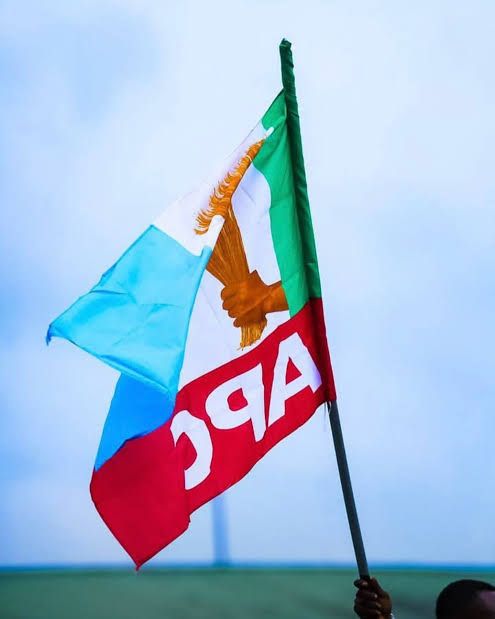
Beyond the emirate issue, Waiya spoke about Governor Abba Yusuf’s defection from the NNPP to the APC, describing it as a strategic move intended to improve intergovernmental cooperation.
He argued that alignment with the ruling party at the federal level could unlock greater project support and funding flows for Kano State.
According to him, such cooperation would positively affect infrastructure delivery, health services, education expansion, and social welfare programs.
He told residents to view the political shift through a development lens rather than a partisan one.
Stronger collaboration with federal authorities, he said, increases access to intervention funds and national initiatives.
He linked this broader cooperation to the wider stability agenda, explaining that political alignment can also help reduce friction around sensitive matters like the Kano Emirate dispute by improving coordination across institutions.
Waiya further emphasized that the present administration is positioning itself as reform-driven, peace-focused, and inclusive.
He said transparency and accountability remain central principles and that community voices will continue to be considered in major decisions.
He urged citizens to remain calm, avoid misinformation, and allow lawful channels to run their course as the dispute resolution process advances.
Community leaders and civil groups, he added, are being encouraged to support de-escalation efforts and promote unity messaging.
The government believes that sustained dialogue, combined with judicial clarity, will eventually deliver a widely recognized settlement.
Ending the uncertainty around the throne, officials say, will allow the state to fully redirect attention toward economic growth and social development.
In closing, the commissioner reiterated that the interests of Kano people outweigh individual ambitions or factional preferences.
He assured that the administration’s interventions are designed to produce a durable settlement, protect institutional dignity, and reinforce social harmony across the state.
About The Author