

A LNG tanker fire erupted in the Gulf of Aden, roughly 60 nautical miles south of Ahwar on Yemen’s southern coast, after an explosion struck the Cameroon-flagged MV Falcon.
The UK Maritime Trade Operations (UKMTO) said the fire was caused by an unknown projectile, prompting an immediate international response to secure the vessel and protect crew members.
Ambrey, a UK maritime security firm, confirmed the MV Falcon was en route from Sohar, Oman, to Djibouti, carrying liquefied natural gas when the LNG tanker fire began.
The EU naval task force Aspides reported that approximately 15 percent of the vessel was engulfed in the requiring coordinated firefighting efforts to prevent further escalation.
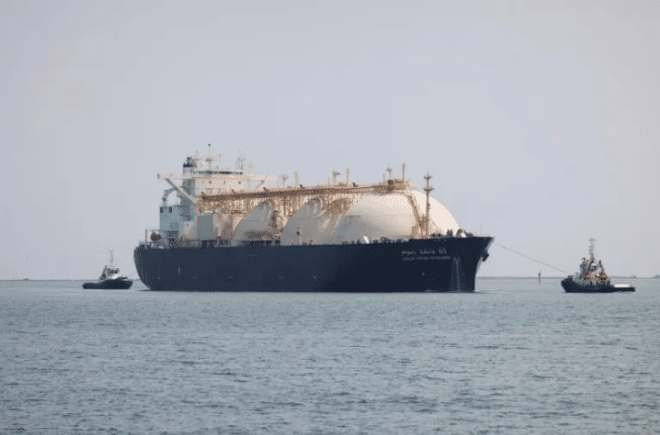
Rescue teams saved 24 of the 26 crew members after the fire started, leaving two sailors missing, and highlighting the dangers faced by maritime crews in conflict-affected regions.
Authorities stated that investigations into the LNG tanker fire are ongoing, while maritime security experts monitor environmental risks from potential liquefied natural gas leaks and further threats in the Gulf of Aden.
Yemen’s Houthis denied responsibility for the LNG tanker fire, stating the group had no involvement in Saturday’s incident, according to the Saba news agency, which monitors Houthi communications.
The Houthis have historically targeted vessels perceived to support Israel, yet the LNG tanker fire demonstrates that commercial shipping remains vulnerable, even for vessels without direct political affiliations.
“The LNG tanker fire emphasizes the vulnerability of shipping operations in the Gulf of Aden, particularly in areas affected by regional conflicts or rebel activity,” said maritime analyst Rami Al-Hassan.
Past attacks, including the Dutch-flagged cargo ship Minervagracht, show how regional instability can endanger vessels. The LNG tanker fire on MV Falcon is notable because of the hazardous liquefied natural gas cargo.
Israel’s repeated airstrikes against Houthi positions in Yemen have heightened regional instability, while the fire adds an additional layer of concern for international shipping and maritime security observers.
Ambrey highlighted that although the MV Falcon was not a typical target, the tanker fire posed extreme risk due to the flammable nature of liquefied natural gas, which could have caused catastrophic consequences.
The Gulf of Aden remains a strategic chokepoint for global trade, and the LNG tanker fire underscores how armed conflict can directly threaten energy supply chains and international shipping routes.
“The top priority during the LNG tanker fire was the safety of the crew and containment of the fire,” said Captain David Robinson, a veteran maritime safety consultant with decades of experience.
International naval forces, including the EU’s Aspides, coordinated efforts to assist the MV Falcon, demonstrating that the LNG tanker fire received immediate attention from multiple governments and maritime security agencies.
The tanker fire occurred shortly after a ceasefire in Gaza, though regional tensions continue to threaten vessels transiting the Red Sea and Gulf of Aden corridor.
Shipping companies were warned that the LNG tanker fire could affect transit routes, insurance premiums, and operational costs as vessels navigate these high-risk maritime zones.
Despite the Houthis’ denial of involvement, the LNG tanker fire has reignited concerns about regional conflicts threatening commercial shipping, illustrating the fragility of maritime operations in conflict-prone areas.
The MV Falcon incident also demonstrates how military operations, including Israeli strikes on Houthi leadership, may indirectly increase the likelihood of future LNG tanker fire incidents.
Authorities continue to investigate the LNG tanker fire, while rescue teams focus on minimizing casualties and containing the fire to prevent wider damage to the vessel and surrounding waters.
“Every second counts during a LNG fire,” said Aspides spokesperson Maria Gonzalez. “International coordination is essential for saving lives and preventing environmental disaster.”
The LNG tanker fire poses a serious environmental risk, as liquefied natural gas leakage could harm marine ecosystems and nearby shipping lanes, necessitating careful monitoring by authorities.
Experts note that the fire is a reminder of ongoing risks to commercial shipping in conflict-affected regions, underscoring that global energy supply routes remain highly vulnerable.
Insurance companies are evaluating the impact of the LNG tanker fire on premiums for vessels operating in the Gulf of Aden, reflecting the elevated risks for navigation through high-threat areas.
The MV Falcon continues to be monitored closely following the tanker fire, with international teams prioritizing safety, environmental containment, and the prevention of further escalation.
“This LNG tanker fire illustrates broader implications of regional conflicts for maritime trade,” said maritime policy expert Leila Ahmed, noting that such incidents can disrupt global energy distribution.
Authorities are urging all shipping operators to follow safety advisories to avoid areas where a LNG tanker fire or similar incidents could occur, particularly near Yemen’s volatile coasts.
The LNG tanker fire has prompted discussions among international agencies about reinforcing protective measures for energy shipments and improving coordination among naval forces in the region.
As rescue operations continue, the fire remains a stark reminder that commercial shipping is highly exposed to geopolitical tensions and ongoing conflicts near Yemen.
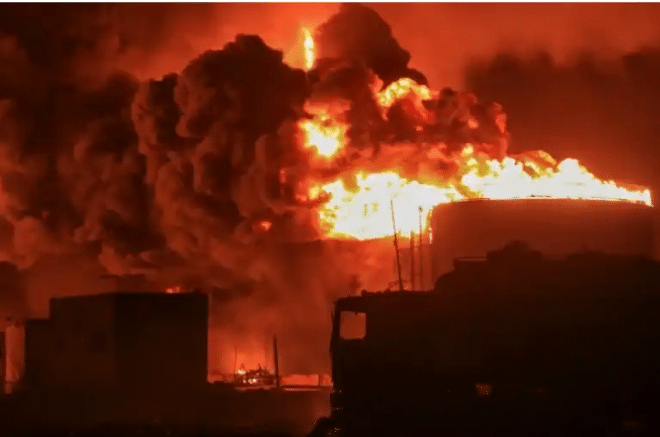
The tanker fire aboard the MV Falcon reinforces the urgent need for international cooperation in securing maritime routes and protecting critical energy cargo from regional hostilities.
The fire off Yemen’s coast highlights the intersection of conflict, energy transportation, and global trade, emphasizing the high risks that commercial shipping faces in volatile regions.
About The Author


