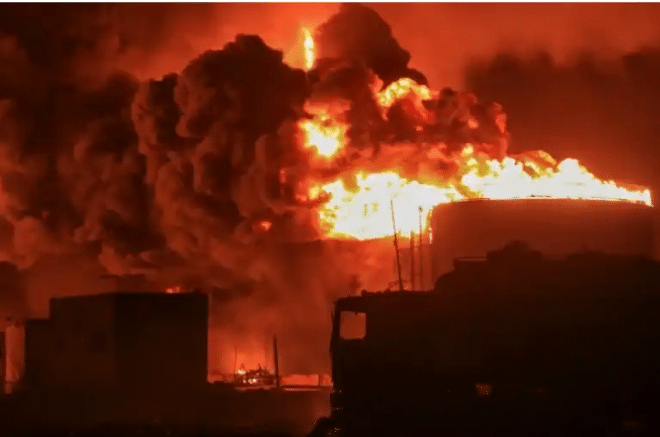
Hamas has strongly rejected claims by the United States suggesting it plans to violate the Gaza ceasefire, calling the allegations misleading amid growing unrest across the Strip.
The US State Department cited “credible reports” indicating Hamas could imminently breach the ceasefire, presenting this as a threat to civilians and a test for the fragile agreement.
Hamas accused the US of repeating Israeli propaganda, saying, “these claims fully align with the occupation’s narrative and provide cover for continued aggression against Palestinians in Gaza.”
“Our forces maintain order and protect citizens. Any allegation that Hamas is targeting civilians is completely false,” a spokesperson said, emphasizing the importance of civilian protection.
The Palestinian group highlighted ongoing Israeli violations as evidence of the truce being threatened, stating that armed gangs supported by the occupation are destabilizing neighborhoods.
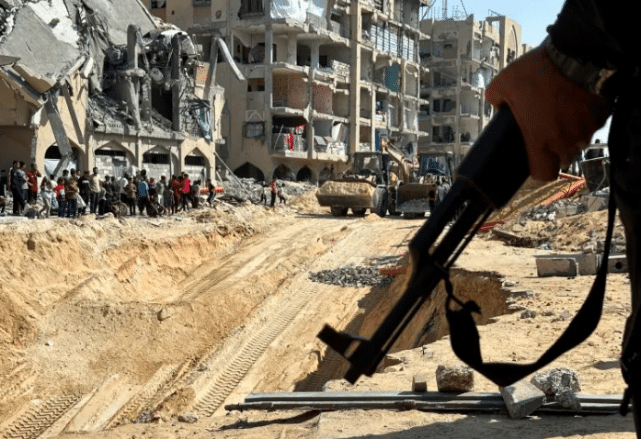
“Facts on the ground contradict US claims,” Hamas said. “It is the occupation authorities who have armed groups committing killings, kidnappings, and theft, undermining the ceasefire.”
Hamas explained that its police, backed by communities, are pursuing these armed gangs, holding them accountable under clear legal mechanisms to ensure civilian protection.
Mouin Rabbani, a Palestine scholar, criticized the US warning, saying, “This is an attempt to provoke internal conflict, destabilizing Gaza while Israel avoids accountability for its actions.”
Rabbani added, “Israel historically collaborates with proxy armed groups. Amplifying misleading narratives undermines the ceasefire and risks escalating violence.”
Hamas and Israel continue trading accusations, threatening the fragile truce. Gershon Baskin, analyst, said, “Both sides must commit to their obligations if the ceasefire is to hold.”
Baskin noted, “Past agreements between Palestinians and Israelis have often been breached. Daily oversight is essential to maintain the Gaza ceasefire on the ground.”
The Gaza Government Media Office reported nearly 50 Israeli violations of the ceasefire since its enactment, resulting in 38 deaths and over 140 injuries.
Israeli attacks included bombings and shootings targeting civilians directly, challenging the ceasefire and highlighting the need for strict monitoring and civilian protection.
Israel has also blocked the Rafah border crossing, preventing aid from entering Gaza, which has drawn international criticism as a violation of the ceasefire.
Rawhi Fattouh, president of the Palestinian National Council, called for international forces to ensure compliance with the ceasefire and uphold civilian protection.
Hamas reaffirmed its commitment to the ceasefire, stating, “Our forces strictly follow the ceasefire, addressing criminal activity while ensuring order and protecting civilians.”
The US State Department continues monitoring, warning that violations by any party would trigger protective measures to maintain the ceasefire.
Hamas has returned bodies of captives to Israel under the ceasefire, demonstrating compliance, while accusing Israel of ongoing Israeli violations that endanger civilians.
Analysts warn that the ceasefire remains fragile, with misinformation, propaganda, and historical mistrust complicating efforts to stabilize the region and uphold civilian protection.
Hamas stated, “All operations comply with international law. We act to safeguard civilians and maintain public order, fully adhering to the Gaza ceasefire.”
Humanitarian reports indicate ongoing shortages of food, water, and medicine in Gaza, worsened by Israeli violations and limited access despite the ceasefire.
Political analysts highlight asymmetry in power, noting Israel’s continued operations challenge the ceasefire, while Hamas maintains legal compliance and civilian protection.
Hamas called on mediators to hold Israel accountable, stating, “Only equal enforcement of obligations can ensure the credibility of the ceasefire.”
Tensions continue following disputes over captives’ remains, with Hamas returning bodies while Israel allegedly continues breaches, undermining the ceasefire.
Observers emphasize that without sustained oversight, violations could escalate, jeopardizing the Gaza ceasefire and civilian safety in Gaza.
Baskin remarked, “warnings by the US State Department must be measured and verified; amplifying unconfirmed claims risks undermining the Gaza ceasefire.”
Hamas continues to assert that all operations are defensive and aimed at ensuring civilian protection, countering accusations of plotting attacks during the truce.
The ongoing blockade and Israeli violations strain the ceasefire, showing the need for stronger enforcement to preserve the Gaza ceasefire.
Hamas reiterated, “Our commitment to the Gaza ceasefire is unwavering. All actions prioritize civilian safety, countering gangs that threaten stability.”
Fattouh stressed, “International forces must actively monitor compliance, guarantee civilian protection, and enforce the Gaza ceasefire to prevent escalation.”
The situation illustrates the challenge of enforcing a truce where historical grievances and propaganda threaten the Gaza ceasefire, putting civilians at risk.
Observers warn that unchecked violations could unravel the Gaza ceasefire, highlighting the fragile balance between political interests and humanitarian needs.
Hamas emphasized its commitment to the Gaza ceasefire, stating, “We prioritize civilian protection and stability while countering criminal activity in Gaza.”
Rabbani noted, “Transparency, monitoring, and daily engagement are essential to safeguard the Gaza ceasefire and protect civilians from violence and misinformation.”
Hamas stressed adherence to legal mechanisms as proof of its commitment to the Gaza ceasefire and civilian protection.
The US State Department continues engagement, emphasizing the importance of compliance with the Gaza ceasefire to prevent renewed conflict.
Tensions continue to rise as observers note the critical role of international oversight in maintaining the Gaza ceasefire and ensuring civilian protection.
Hamas’ rejection of US claims highlights mistrust, with Israeli violations often overlooked while Hamas is scrutinized, complicating enforcement of the Gaza ceasefire.
“The Gaza ceasefire represents a temporary pause, not a permanent resolution,” Rabbani said. “Daily civilian protection monitoring is essential to prevent renewed hostilities.”
Hamas’ return of captive bodies illustrates compliance with the ceasefire, contrasting with allegations of Israeli violations that threaten humanitarian efforts.
The durability of the Gaza ceasefire depends on impartial monitoring, enforcement, and cooperation from both Hamas and Israel to ensure civilian protection.
Hamas stated, “Our commitment to the Gaza ceasefire is unwavering. We prioritize civilian protection while maintaining security within Gaza.”
Observers warn that failure to address Israeli violations could erode trust, making it difficult to enforce the ceasefire and protect civilians.
The conflict continues to highlight disparities in power, with Hamas emphasizing compliance and civilian protection, while Israel’s actions challenge the ceasefire.
Humanitarian organizations stress that ongoing violations threaten the Gaza ceasefire, calling for neutral oversight to safeguard vulnerable populations.

Hamas’ statements reaffirm adherence to the Gaza ceasefire, highlighting proactive measures to counter criminal activity while protecting civilians.
The coming weeks are critical for the Gaza ceasefire, requiring transparent monitoring, enforcement, and cooperation from all parties to maintain safety.
Hamas’ insistence on civilian protection underscores its role as a responsible actor under the Gaza ceasefire, countering narratives that depict the group as destabilizing.
The fragile truce illustrates the difficulty of achieving peace, where daily compliance, monitoring of Israeli violations, and proactive measures remain essential to the Gaza ceasefire’s success.
About The Author