

Controversial Nollywood actress Lizzy Anjorin has publicly responded to widespread reports linking her to an alleged arrest over claims of defamation, further fuelling an already tense feud within Nigeria’s movie industry.
The actress’s reaction, delivered via her official social media platform, has intensified debate across entertainment circles and reignited public interest in the long-running disputes among prominent Nollywood personalities.
The controversy erupted after reports circulated online claiming that Anjorin had been arrested and detained following a petition allegedly filed by fellow actresses Toyin Abraham, Iyabo Ojo, and Dayo Amusa.
Although no official confirmation was initially issued by law enforcement authorities, the story quickly gained traction, driven largely by social media commentary and influencer posts.
At the centre of the viral reports was Esabod, a popular Nigerian influencer and known associate of Iyabo Ojo, who announced on Instagram that Lizzy Anjorin had been taken into custody and remanded at the Alagbon Police Station in Lagos.
The post alleged that the arrest was connected to accusations of defamation of character and suggested that bail conditions would be reviewed at a later date.
Lizzy Anjorin Alleged Arrest Dominates Social Media Discourse
As news of the Lizzy Anjorin alleged arrest spread, reactions poured in from fans, critics, and industry observers, many of whom questioned the authenticity of the claims. The actress, who has often been at the centre of public disputes, did not remain silent for long.
In a brief but pointed response shared on her Instagram page on Sunday evening, Anjorin dismissed the reports, warning followers to be cautious about the sources of such information.
“Believe Esabod and Iyabo Ojo at your own risk,” she wrote, a statement that immediately drew mixed reactions online.
While Anjorin did not explicitly confirm or deny being arrested, her post appeared to cast doubt on the credibility of the claims and those promoting them.
The statement has since been widely shared, prompting renewed scrutiny of the role of social media influencers in shaping public narratives around celebrity controversies.
Industry watchers note that the Lizzy Anjorin alleged arrest narrative fits into a broader pattern of public disagreements that have characterised her relationship with some of her Nollywood colleagues.
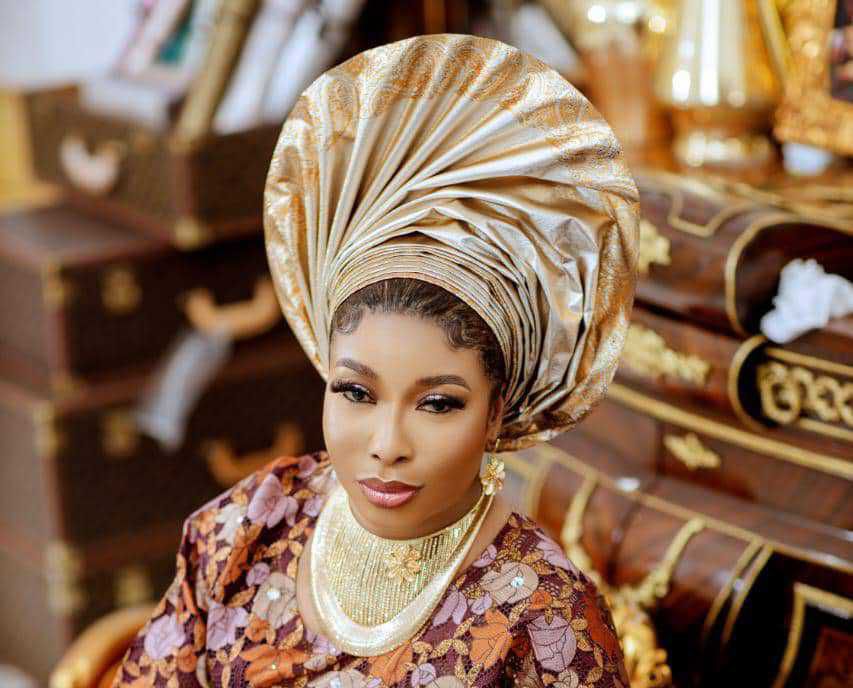
Over the years, accusations, counter-accusations, and heated exchanges have frequently spilled onto social media, blurring the lines between personal disputes and legal battles.
Background to the Nollywood Feud
The strained relationship between Lizzy Anjorin and several leading Nollywood actresses is not new.
Past disagreements involving Iyabo Ojo, Toyin Abraham, and others have often played out publicly, with social media serving as both battleground and courtroom in the court of public opinion.
In previous incidents, accusations ranged from personal attacks to allegations of professional sabotage and defamatory remarks.
These conflicts have divided fans and, at times, drawn calls from senior industry figures urging restraint and private resolution of disputes.
The latest controversy surrounding the Lizzy Anjorin alleged arrest has once again raised concerns about how internal industry conflicts are handled, particularly when legal institutions are mentioned without official confirmation.
As of the time of filing this report, no formal statement has been issued by the Nigeria Police Force confirming that Lizzy Anjorin was arrested or detained.
The absence of an official police confirmation has led many legal analysts to caution against drawing conclusions based solely on social media claims.
Legal experts note that allegations of defamation are civil matters unless escalated under specific criminal provisions, and any arrest related to such claims would typically be accompanied by clear documentation and official communication.
The lack of such clarity has further complicated public understanding of the situation.
Despite this, the Lizzy Anjorin alleged arrest continues to trend across digital platforms, highlighting the speed at which unverified information can gain credibility in Nigeria’s entertainment space.
Reactions from Nollywood insiders have been mixed.
While some colleagues have urged calm and advised against amplifying unverified claims, others have used the moment to revisit longstanding concerns about professionalism, accountability, and online conduct within the industry.
Fans, meanwhile, remain sharply divided. Supporters of Anjorin argue that she is being unfairly targeted and subjected to media trials, while critics insist that repeated controversies point to deeper issues that require legal resolution.
Entertainment analysts say the episode underscores the growing influence of social media in shaping celebrity narratives, often ahead of facts.
They warn that persistent online feuds risk damaging the industry’s reputation and distracting from creative output.
Beyond the personalities involved, the Lizzy Anjorin alleged arrest controversy has renewed conversations about conflict management in Nollywood.
Stakeholders have increasingly called for stronger industry mediation mechanisms to prevent personal disputes from escalating into public spectacles.
As Nollywood continues to expand its global footprint, observers stress the importance of professionalism, transparency, and responsible communication.
Public controversies, they argue, should not overshadow the industry’s achievements or undermine its credibility on the international stage.
For now, Lizzy Anjorin’s brief response remains her only public comment on the matter. Whether further clarification will emerge from law enforcement authorities or involved parties remains uncertain. Until then, the story serves as another reminder of the powerful—and sometimes problematic—role of social media in modern celebrity culture.
About The Author


