The Lagos State Government has rolled out a comprehensive Traffic Diversion strategy ahead of the 2026 City Marathon scheduled to hold on Saturday, February 14.
The arrangement, officials say, is designed to ensure the smooth execution of the globally recognised race while maintaining order and safety across major transport corridors in the state.
According to the Commissioner for Transportation, Oluwaseun Osiyemi, this year’s event will once again draw thousands of athletes, officials and spectators from within and outside Nigeria.
As a result, proactive planning became necessary to reduce congestion and manage vehicular movement efficiently during the sporting event.
Osiyemi explained that the marathon will feature two race categories — the 42-kilometre full marathon and the 10-kilometre short race — both running simultaneously along designated routes.
The dual-race format, he noted, requires detailed coordination to prevent disruption across affected areas.
The 42-kilometre race will commence at Ahmadu Bello Way, near the MRS Filling Station.
From there, runners will proceed along the entire Coastal Road corridor, which has been marked as the finishing point for the elite and general participants in the long-distance category.
This stretch, known for its strategic importance in the city’s road network, will experience phased restrictions as athletes progress.
Meanwhile, the 10-kilometre race will begin at Durosimi Etti in Lekki Phase 1. Participants will move through Ozumba Mbadiwe Avenue, connect to Bishop Oluwole Street, continue along Akin Adesola Street, and conclude at Sanusi Fafunwa.
These routes form part of Lagos’ busy commercial districts, prompting authorities to design a structured Traffic Diversion system to ease the impact on residents and businesses.
The commissioner disclosed that all connecting roads, intersections and adjoining streets along both race paths will be temporarily closed to vehicular traffic from 12:00 a.m. until 12:30 p.m. on the day of the event.
However, he emphasised that the Traffic Diversion will not be static.
Roads will be reopened in phases once race segments are completed and it is deemed safe for vehicles to resume movement.
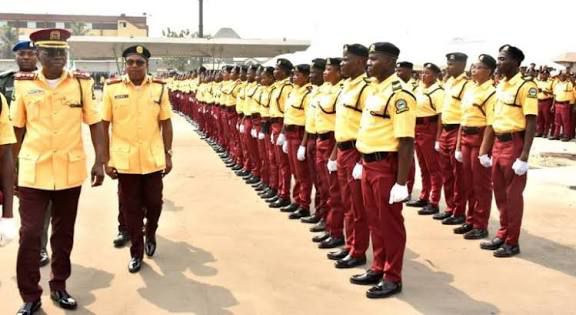
To enforce compliance and maintain order, officials of the Lagos State Traffic Management Authority (LASTMA), in partnership with other security and emergency agencies, will be deployed across strategic points.
Their role will include preventing unauthorised access to race corridors, guiding motorists to alternative routes, and responding swiftly to emergencies.
Osiyemi assured residents that traffic officers would be strategically stationed to support commuters and minimise confusion.
Clear directional signage and on-ground personnel will help motorists navigate alternative roads throughout the period of the Traffic Diversion.
He added that emergency lanes will remain accessible to ensure that medical and security responses are not compromised.
The Lagos State Government also encouraged residents to plan their journeys well in advance.
Motorists were advised to consider adjusting travel schedules, using alternative transportation options such as rail or water transport where possible, and staying updated through official traffic advisories.
Authorities believe early preparation by commuters will significantly reduce delays.
Beyond logistics, the government highlighted the economic and social value of the Lagos City Marathon.
Since its inception, the event has boosted tourism, hospitality, and small-scale commerce, while reinforcing Lagos’ reputation as a hub for international sporting excellence.
The annual race attracts elite athletes and amateur runners alike, contributing to youth engagement and healthy living initiatives.
Osiyemi appealed to the public for patience and cooperation, stressing that the temporary road restrictions are essential for the success of the 11th edition of the marathon.
He reiterated that the Traffic Diversion plan was carefully developed after consultations with relevant agencies to strike a balance between public convenience and event safety.
Residents living within affected neighbourhoods were further advised to limit unnecessary movement during the restricted hours.
Businesses operating along designated routes were encouraged to inform customers ahead of time and make suitable logistical adjustments.
As Lagos prepares to host thousands of participants and spectators, authorities remain confident that the coordinated approach involving LASTMA, law enforcement agencies, and emergency responders will ensure a seamless experience.
The state government reaffirmed its commitment to maintaining order, safeguarding lives, and delivering another successful edition of the Lagos City Marathon.
With structured planning, strategic deployment of personnel, and public cooperation, officials believe the temporary measures will pave the way for a memorable sporting spectacle while preserving mobility across Nigeria’s commercial capital.
Ireport247news
About The Author