

Kyiv Cultural Sites have suffered extensive destruction following a large-scale Russian missile attack that damaged museums, historic buildings and treasured cultural landmarks across Ukraine’s capital.
The assault, which killed two people and injured dozens more, has left museum directors, cultural workers and residents grappling with the loss of priceless artefacts and significant damage to institutions that preserve Ukraine’s history and identity.
According to reporting by The Guardian, the attack unleashed a wave of missiles and drones on Kyiv, triggering explosions, fires and shockwaves that tore through some of the city’s most important cultural institutions. Museum staff described scenes of devastation as they rushed to rescue artefacts while buildings collapsed around them.
The destruction has renewed concerns about the impact of the war on Ukraine cultural heritage, with officials warning that hundreds of important historical and cultural sites have already been damaged since the Russian invasion began.

Russian Missile Attack Leaves Trail Of Destruction
The attack occurred during the night of May 23 when Russia launched a massive barrage of missiles and drones against targets across Ukraine. Kyiv was among the hardest-hit locations as explosions echoed across the city and emergency crews raced to respond to fires and structural damage.
Among the buildings affected was the National Chornobyl Museum, an institution dedicated to preserving the history and legacy of the 1986 nuclear disaster.
The museum had only recently completed a major transformation project that took four years to finish. The redesigned facility reopened to the public on April 26, marking the 40th anniversary of the Chornobyl disaster.
Less than a month later, much of that work lay in ruins.
Museum director Vitalina Martynovska described the heartbreaking scene that greeted her after the attack.
“There is practically no room in the museum that has not suffered damage,” she said.
“The building itself sustained significant damage, the roof was destroyed, the floor between the second and third storeys was destroyed and collapsed, while the exhibition halls and museum laboratory were badly affected.”
Priceless Artefacts Lost In The Blast
Initial assessments suggest that approximately 40 per cent of the artefacts displayed in the museum were destroyed.
The losses are particularly painful because many of the items represented unique pieces of history connected to communities affected by the Chornobyl disaster.
Martynovska recalled receiving news of the fire shortly after dawn.
“Twenty minutes later, I was already there,” she said.
“The first thing I saw was thick smoke and flames on the roof. The windows, doors and gates that were part of this building were already lying on the ground nearby.”
The museum director described the emotional impact of witnessing years of work destroyed in a matter of moments.
“Given that I had been working on the restoration project with the team and on the project to build a new exhibition over the last four years, you can imagine what a heavy blow this was for me,” she said.
Museum Staff Risked Their Lives To Save History
As firefighters battled flames consuming parts of the museum, staff members entered the damaged structure in an effort to rescue surviving artefacts.
Their efforts unfolded under dangerous conditions as sections of the building continued collapsing.
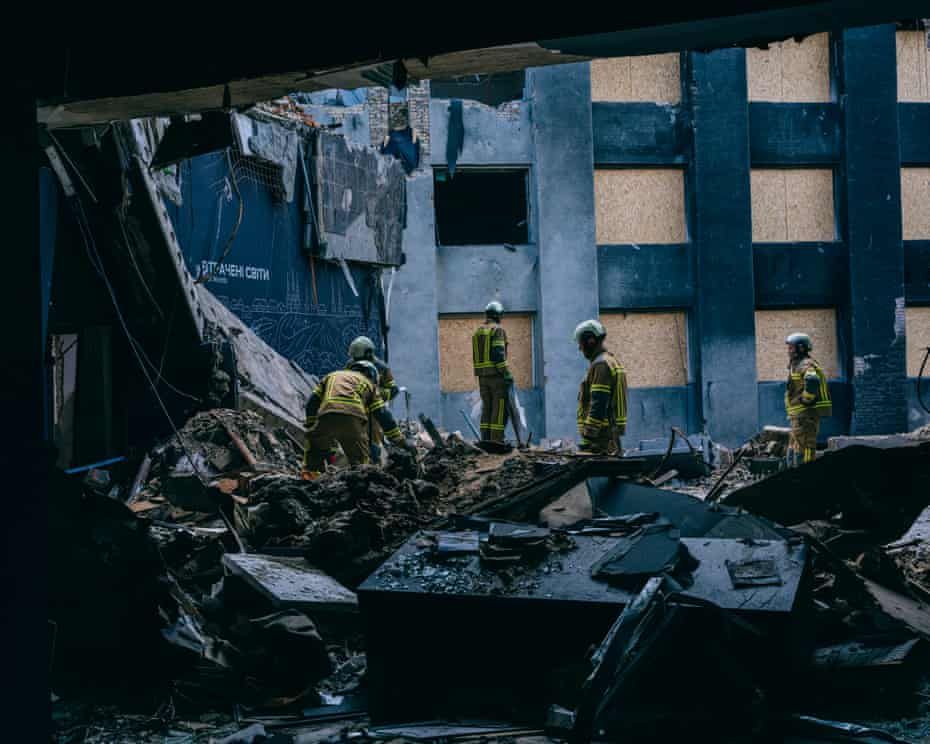
“We began evacuating the artefacts while the roof was still ablaze and the firefighting operation was still under way,” Martynovska explained.
“We could hear the roof collapsing. We were constantly wading through water.”
Those dramatic moments captured both the urgency and determination of museum workers seeking to preserve fragments of Ukraine’s history despite the dangers surrounding them.
Although many artefacts were destroyed, officials reported some encouraging news. The museum’s storage facilities, containing approximately 22,000 artefacts, escaped major damage.
Staff members also recovered several objects from the wreckage, including an earthenware jug found among the charred remains.
A Symbolic Loss For Ukraine Cultural Heritage
For many Ukrainians, the damage extends far beyond physical destruction.
The National Chornobyl Museum serves as a repository of memory, documenting one of the defining events in modern Ukrainian history. The institution tells the stories of those whose lives were permanently altered by the nuclear catastrophe and preserves records that help future generations understand its impact.
The destruction of exhibition spaces dedicated to those stories has therefore been viewed as an attack on cultural memory as well as infrastructure.
Among the damaged sections was an exhibition containing religious texts, icons and historical artefacts connected to communities that existed before the construction of the Chornobyl nuclear plant.
Many of those objects were destroyed.
Ironically, a wall display in the room survived. Its title read: “Lost Worlds.”
Kyiv Museums Struggle To Recover
The National Art Museum of Ukraine was also heavily affected by the attack.
The elegant building suffered extensive damage after powerful shockwaves shattered windows, damaged ceilings and cracked architectural features.
Read more: Political deepfakes raise alarm as 16.5 Million UK adults exposed before elections
Museum spokesperson Veronika Bublei described the chaos that followed the explosions.
“It was stress, horrible — we were running about trying to do what we could and there was no time for emotion, or we turned the stress into trying to do something practical,” she said.
“It felt like the epicentre of a tempest, with all the doors and windows blown out — as if a tornado had blown through the building.”
Fortunately, much of the museum’s permanent collection had already been relocated to secure locations.
Even so, the damage forced officials to dismantle current exhibitions and suspend normal operations.
Cultural Institutions Refuse To Give Up
Despite the destruction, museum workers have remained determined to continue their mission.
Yulia Lytvynets, director of the National Art Museum of Ukraine, said the attack came as a shock even though staff understood the risks posed by the ongoing conflict.
“My initial feeling was one of shock,” she said.
“We understand that there is a war going on. Our halls are empty and our art is safe. But you’ll never be 100 per cent ready for something like this.”
She added: “Even if you hide your collection, you can’t hide the building.”
The museum had been preparing a new exhibition dedicated to modernist theatre designer Anatol Petrytskyi. While the building remains closed indefinitely, officials plan to present the exhibition online.
Hundreds Of Heritage Sites Damaged Since Russian Invasion
The latest destruction forms part of a broader pattern affecting Ukraine cultural heritage since the start of the Russian invasion.
Ukrainian officials report that more than 1,700 cultural heritage sites and over 2,500 cultural infrastructure facilities have been damaged or destroyed during the conflict.
These losses include museums, theatres, libraries, churches, monuments and historic landmarks.
Cultural experts warn that the destruction threatens not only physical structures but also historical records, artistic achievements and collective memories that help define national identity.
As a result, preserving heritage sites has become an increasingly important aspect of Ukraine’s wartime resilience efforts.
The Show Must Go On
Not all cultural venues have stopped operating.
At Kyiv’s Mala Opera theatre, workers spent days repairing damage caused by the missile strike. Windows were shattered, sections of the building were damaged and repairs remained ongoing.
Yet staff insisted performances would continue.
Chief technician Oleksandr Buryma and his colleagues worked to prepare the venue for scheduled productions despite the destruction around them.
Their determination reflects a wider message emerging from Ukraine’s cultural sector: while buildings may be damaged and artefacts lost, artistic expression and cultural identity will endure.
Kyiv Cultural Sites Face Long Road To Recovery
The damage inflicted on Kyiv Cultural Sites represents another painful chapter in the ongoing war. Museums that preserve memories of national tragedies have themselves become victims of conflict, while cultural workers continue risking their safety to protect priceless artefacts.
Yet amid the devastation, stories of resilience continue to emerge. Museum staff rescued surviving collections, theatre workers prepared new performances and cultural leaders vowed to rebuild.
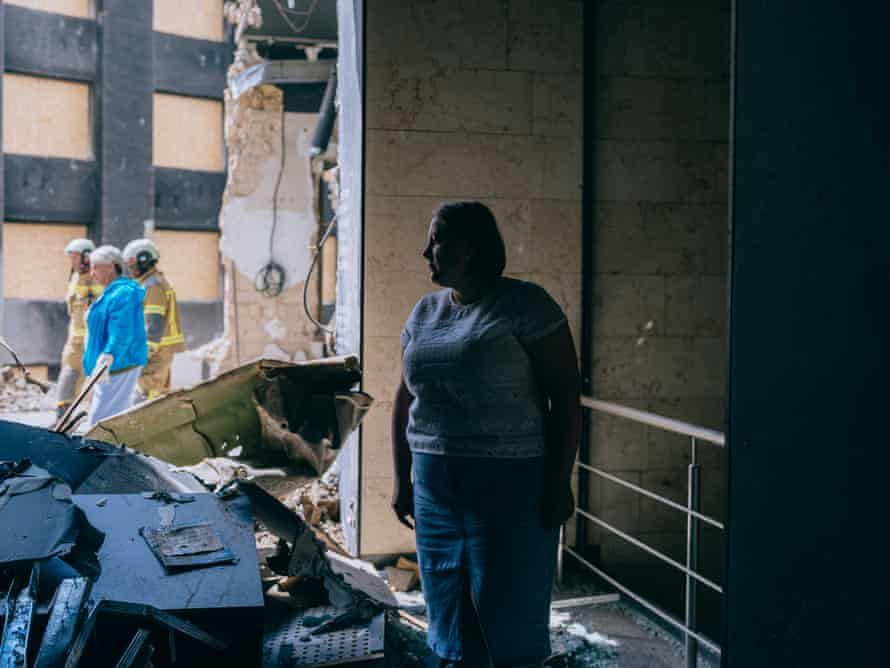
For Ukraine, the preservation of history remains as important as the defence of territory. As reconstruction efforts begin, damaged museums and historic institutions stand as reminders of both the cost of war and the determination to protect a nation’s cultural heritage for future generations.
About The Author


