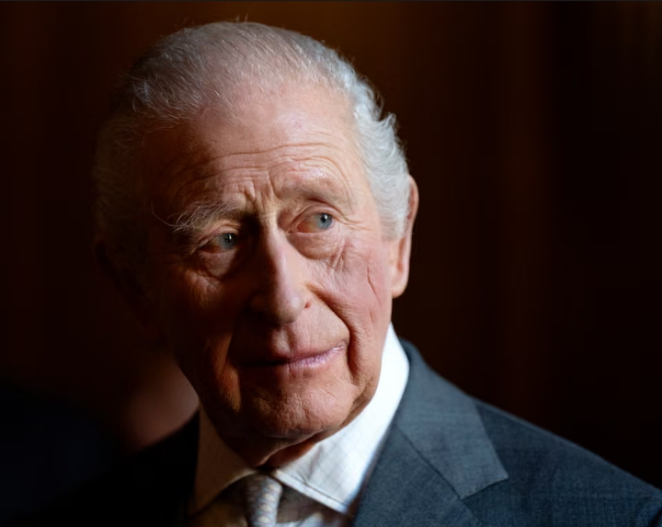

MPs, experts, and campaigners are increasingly demanding a King Charles slavery apology, following research that reveals the British crown profited from and protected the trade in enslaved African people for centuries.
King Charles has previously expressed “personal sorrow” at the suffering caused by slavery and promised to explore “creative ways to right inequalities that endure,” but the crown has never issued a formal apology.
The Crown’s Silence, a new book published this week, documents how monarchs from Queen Elizabeth I to George IV used slavery to increase crown revenues and safeguard the British empire’s interests.

By 1807, evidence suggests the British crown had become the largest purchaser of enslaved people, cementing its central role in the economic and social structures that relied on slavery.
Bell Ribeiro-Addy, Labour MP for Clapham and Brixton Hill, who chairs the all-party parliamentary group for Afrikan reparations, said: “Personal sorrow does not befit one of the single greatest crimes against humanity.”
She emphasized: “This isn’t about individuals but the monarchy as an institution. What is needed is acknowledgment of this history and action to address its lasting legacy of global racism and inequality.”
Ribeiro-Addy added: “An apology could be a basis for the honest conversation and transformation we need to have as a country around this issue in a swiftly changing world.”
The Runnymede Trust, which published a blueprint for reparatory justice in September, stated that a King Charles apology would be “a welcome, symbolic first step,” but must be accompanied by concrete systemic reforms.
“Reparations is not about exacting collective punishment or confessions of guilt,” the report explained. “A Crown apology should only be offered if the government engages with the systemic work needed to reform the economic structures shaped by slavery.”
This includes examining how slavery’s legacy influenced Britain’s financial and social infrastructures, alongside a genuine commitment to reform and transformation, ensuring reparatory justice is meaningful and not symbolic alone.
Liliane Umubyeyi, director of African Futures Lab, stressed recognition “cannot be sufficient on its own.” She noted there is a “legal as well as moral obligation for reparations,” as slavery has been recognized as a crime against humanity under international law.
Carla Denyer, Green Party MP for Bristol Central, called a formal apology “long overdue,” adding: “The descendants of enslaved people deserve nothing less.” Her remarks underscore both moral and historical responsibility.
UN experts working with people of African descent also support a royal apology. Michael McEachrane, researcher at the UN Permanent Forum on People of African Descent, said: “The growing global call for reparatory justice is not primarily about the past. It is critical for a sustainable future.”
He added: “No force in human history has contributed more to social, economic, and ecological disparities than colonialism. This is not charity – it’s about partnership: Commonwealth nations and the UK building equitable futures together, acknowledging their shared history.”
Human rights lawyer Dominique Day, of the UN working group on people of African descent, highlighted slavery’s continuing impact: “Its legacy is felt in police killings, joint enterprise prosecutions, and events like the Windrush and Grenfell scandals.”
Day continued: “An acknowledgment creates space for repair. It enables a move toward respect, compassion, and prosperity without exploitation, ensuring that slavery’s legacy is addressed responsibly and fairly.”
Later this year, King Charles is expected to face renewed calls for action to address slavery’s legacy at the Commonwealth Heads of Government Meeting (Chogm) in Antigua and Barbuda, where Caribbean and African nations are likely to raise the issue.
Historian Brooke Newman, author of The Crown’s Silence, said she wrote the book to provide historical evidence and spark conversation on a topic often obscured by cultural debates. “Chogm is going to be a moment for pageantry and protests; 2026 could be a key time for Charles to take action,” she added.
The calls highlight how reparatory justice and colonial legacy remain central to discussions about the monarchy, showing that slavery’s enduring effects continue to influence Britain and its former colonies.
King Charles’ response could set a precedent for royal engagement in reparatory justice, providing a symbolic yet significant step toward acknowledging historical wrongdoing by the British crown.
Campaigners argue that without a formal apology, reconciliation remains incomplete. They insist the crown must move beyond expressions of personal sorrow toward concrete commitments to address inequalities rooted in slavery.
Ribeiro-Addy concluded: “The apology should not be symbolic alone. It must be coupled with systemic measures acknowledging the crown’s historic role and working toward real societal transformation.”
International attention is also intensifying, as reparatory justice is increasingly recognized as essential for sustainable partnerships between the UK and its former colonies. Scholars argue that the monarchy has a unique opportunity to lead by example.
The debate over King Charles’ potential apology underscores the complex interplay of historical research, public pressure, and institutional accountability, with Chogm 2026 emerging as a possible turning point for the crown.
Activists emphasize that formal acknowledgment is only the first step. Broader reforms should include educational initiatives, financial reparations, and policy changes dismantling systemic inequalities originating from slavery and colonialism.
Buckingham Palace has been approached for comment but has not responded. Meanwhile, campaigners remain steadfast, insisting the time for a King Charles slavery apology is now, both morally and politically.
Read also: US Envoy shows lack of knowledge during Ukraine peace talks, raising concerns over diplomacy
The issue highlights not only Britain’s colonial past but also the continuing relevance of historical accountability in shaping national identity, social justice, and international relations in the 21st century.
The debate demonstrates how historical research, public advocacy, and political will intersect in efforts to address centuries-long injustices, making this one of the most significant discussions on the monarchy in recent decades.
As MPs, scholars, and activists push for meaningful recognition, global attention will remain on Britain’s monarchy, watching whether acknowledgment can translate into genuine change and reparatory action.
Keyphrase List:
King Charles slavery apology
British crown history
Reparatory justice
Colonial legacy
Monarchy accountability
About The Author